A retaining wall contractor Fairfield County property owners can count on does more than stack stone or install block. A properly built wall holds back soil, redirects water, protects nearby hardscaping, and gives a sloped or uneven yard a finished purpose. A poorly planned wall can lean, crack, wash out, or create drainage trouble where there was none before.
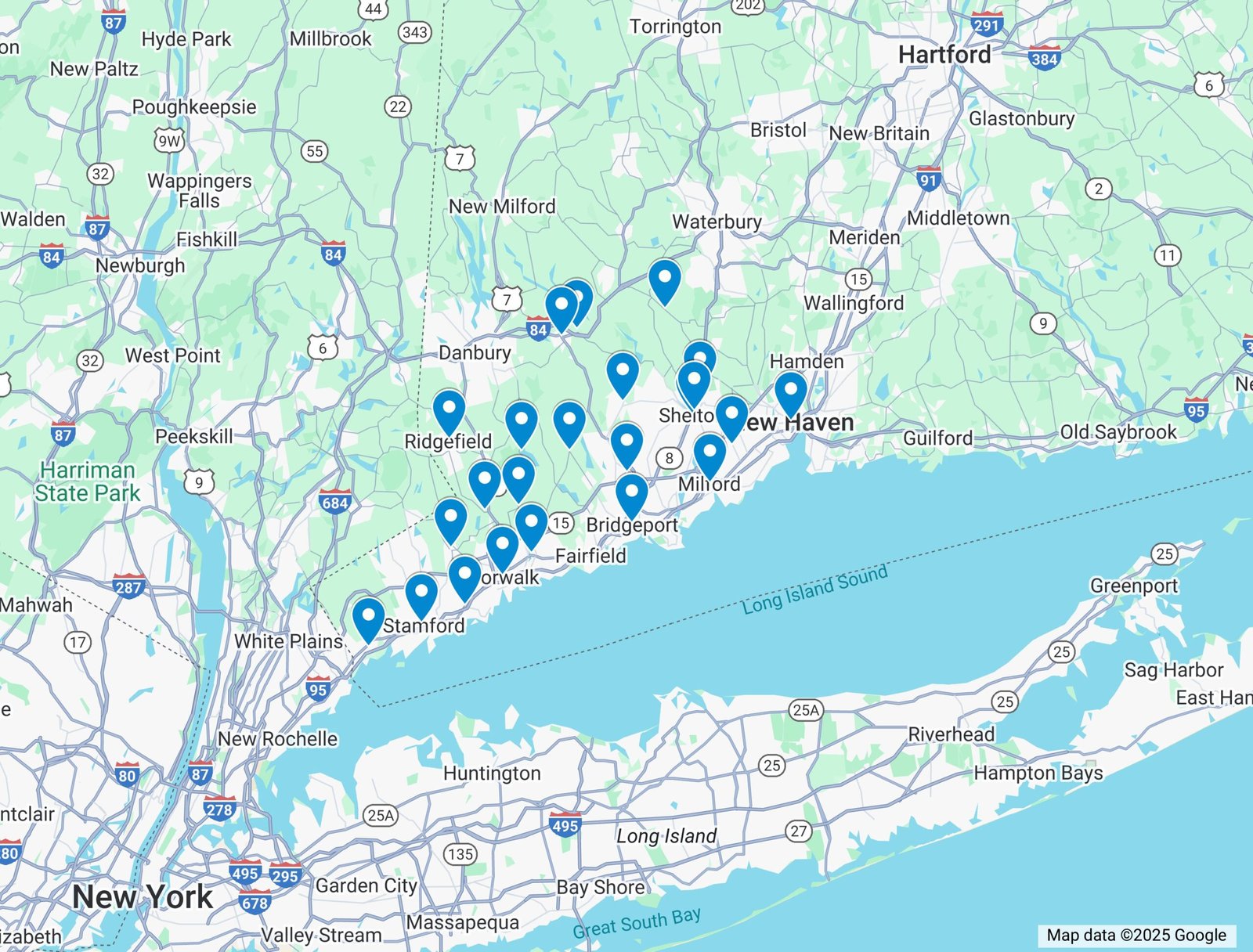
Whether you are making room for a patio in Trumbull, stabilizing a commercial slope in Stamford, or improving a backyard grade in Fairfield, the work beneath and behind the wall matters as much as the face you see. The best results come from a contractor who can assess the full site, prepare it correctly, and finish the surrounding landscape without leaving you to coordinate several trades.
What a Retaining Wall Contractor in Fairfield County Should Handle
Retaining walls are often treated as a simple landscape upgrade. Some are decorative and low-profile, but many perform an important job. They may hold back a raised lawn, create level ground for outdoor living, support a driveway edge, or keep soil from moving toward a building or walkway.
That is why the first conversation should be about the property, not just the wall material. A qualified contractor should look at the slope, existing drainage patterns, soil conditions, access for equipment, utilities, nearby structures, and the height and location of the planned wall. These details affect the excavation approach, base preparation, drainage needs, material choice, and final cost.
For larger, taller, or load-bearing walls, engineering and local permit requirements may apply. Requirements can differ by town and by the wall’s location near driveways, property lines, pools, or structures. A dependable local crew will help identify when additional planning is needed instead of treating every wall like the same weekend project.
The Work You Cannot See Determines How Long the Wall Lasts
A clean stone face gets attention, but the foundation is what keeps a retaining wall stable through Connecticut’s changing seasons. Fairfield County properties often deal with heavy rain, freeze-thaw cycles, mature tree roots, compacted soil, and grades that send water exactly where it should not go.
Excavation and a stable base
The wall area must be excavated to the right depth and width. The crew then creates a compacted aggregate base that provides level support and helps prevent shifting. If the first course is not set correctly, every course above it can follow the same problem.
Owned excavation equipment makes a real difference here. It allows the contractor to prepare the site efficiently, move material safely, and keep the job moving without waiting on outside equipment rentals. It also helps when access is tight or when the project involves more than one improvement, such as regrading a lawn, removing old concrete, or preparing a patio area beside the wall.
Drainage behind the wall
Water is one of the biggest reasons retaining walls fail. Rainwater that collects behind a wall adds pressure to the structure. During winter, trapped moisture can freeze and expand, creating even more stress.
A lasting installation commonly includes free-draining stone behind the wall and a drainage plan that carries water to an appropriate outlet. Depending on the property, that may involve drain pipe, careful grading, catch basins, or related drainage improvements. The right solution depends on the site. A low garden wall may need a straightforward drainage layer, while a wall holding back a steep yard may require a more detailed approach.
Proper backfill and compaction
Backfill should be installed in controlled layers and compacted as the wall rises. Rushing this part can leave voids and weak areas behind the wall. It may look fine immediately after installation, then begin to settle after a season of rain and snow.
This is where experienced site work and masonry work come together. The goal is not simply to make the wall look straight on installation day. The goal is to build it to stay straight.
Choose a Wall Material That Fits the Property
The right retaining wall should complement your home, landscape, or commercial property while meeting the demands of the location. Appearance matters, but maintenance, height, drainage, and budget matter too.
Natural stone walls bring a classic Fairfield County look that works beautifully with traditional homes, mature landscapes, bluestone patios, and rustic outdoor living areas. Each stone has variation, creating a custom finish that feels established rather than manufactured. Stone can be an excellent choice, though material selection and hand-set installation can require more time and investment.
Segmental concrete wall block offers a clean, consistent appearance and is designed to interlock. It is a practical option for many structural retaining walls and comes in colors and textures that can coordinate with walkways, patios, and home exteriors. For taller walls, compatible reinforcement systems may be required.
Poured concrete can fit certain modern designs or situations where a specific structural approach is needed. It can be durable, but it should be planned carefully to avoid a plain, oversized look in a residential setting. Veneer or stone facing can add warmth where the design calls for it.
A good contractor will explain the trade-offs honestly. The least expensive material is not always the best value if it does not suit the grade, drainage conditions, or style of the property. Likewise, the most elaborate natural stone wall may not be necessary for a simple landscaping transition.
Plan the Wall as Part of the Whole Outdoor Space
The strongest retaining wall projects make the entire property more usable. Instead of treating the wall as an isolated repair, consider what it can support around it.
A wall can define a patio, frame planting beds, create seating around a fire pit, make room for a walkway, or turn a difficult slope into level lawn space. On commercial properties, it can improve curb appeal, manage grade changes around parking areas, and create neater planting zones that are easier to maintain.
This is where working with one capable outdoor contractor can save time and frustration. Innovative Landscaping Services LLC can handle excavation, drainage, masonry, landscaping, paving, fencing, and cleanup as part of one coordinated project. That means fewer handoffs, clearer scheduling, and a finished space that looks intentional from the ground up.
Before work starts, think through access and future use. Will the wall need steps beside it? Should lighting conduit be installed before the backfill goes in? Is there an irrigation line to protect or relocate? Will new grading change where roof runoff or lawn drainage travels? Addressing these questions early is far easier than reopening a completed wall later.
Questions to Ask Before You Approve a Quote
A clear estimate should help you understand what is included, not leave you guessing. Ask how the base will be prepared, what drainage is planned, how materials will be selected, and whether removal and disposal of old material are included. It is also reasonable to ask about site protection, access, cleanup, insurance coverage, and the expected schedule.
Be cautious with quotes that focus only on a price per square foot without discussing excavation, base depth, drainage, backfill, or wall height. Two walls of the same visible size can require very different work depending on the property. A wall along a flat garden bed is not the same as a wall holding back a driveway or supporting a steep grade.
Photos are helpful, but an on-site assessment is better. A fast, detailed quote after seeing the property gives everyone a more realistic starting point and reduces surprises once excavation begins.
Get the Site Right Before the First Stone Is Set
A retaining wall should give you more than a polished edge in the yard. It should create confidence when the rain comes down, when winter arrives, and when you finally use the patio, lawn, or driveway space the wall helped make possible. Start with a local contractor who looks beyond the visible face of the wall, listens to how you want to use the property, and builds the foundation for results you can enjoy for years.