A backyard should not sit empty for nine months of the year and suddenly become useful only when company arrives. The best outdoor living trends are moving away from showpiece features and toward spaces that make everyday life easier: a patio where the family eats dinner, a fire feature that extends cool evenings, a walkway that stays safe after rain, and planting that looks good without demanding constant attention.
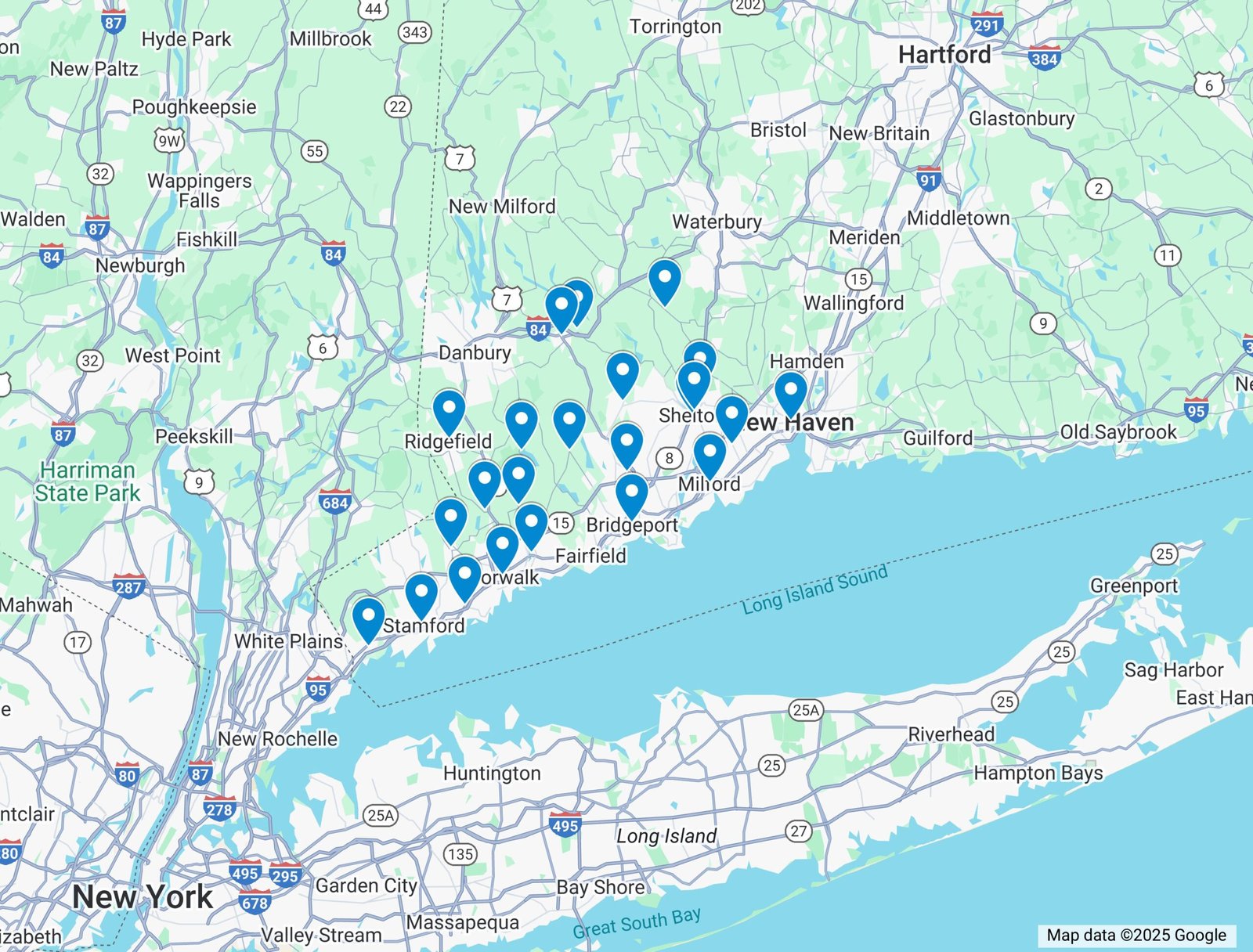
For homeowners in Fairfield and Westport, the right project is not about copying a photo online. It is about building an outdoor space that fits your property, handles Connecticut weather, and gives you more reasons to spend time outside. That means starting with the ground beneath the project just as much as the finished stone, furniture, or lighting above it.
Outdoor Living Trends Built for Real Use
The strongest trend is simple: outdoor areas are being treated as true extensions of the home. Homeowners want a place to cook, gather, relax, and move comfortably through the property. Rather than installing one isolated feature, they are creating connected spaces with clear purposes.
A well-planned patio may lead to an outdoor kitchen or grill station, then transition to a fire pit area with comfortable seating. A walkway can connect the driveway, front entry, backyard, and pool area while giving the whole property a more finished appearance. These improvements work best when circulation, grading, drainage, and material choices are considered together.
This approach also makes sense for commercial properties. Clean entry paths, defined gathering areas, durable paving, attractive stonework, and well-maintained landscape beds create a professional first impression. They also reduce the patchwork look that happens when repairs and upgrades are completed one at a time without a larger plan.
Patios With Purpose, Not Just More Pavers
Patios remain one of the most requested outdoor upgrades, but their role has changed. Instead of a small square placed outside the back door, homeowners are choosing larger, more flexible layouts that accommodate dining, lounging, grilling, and entertaining.
Natural stone, pavers, and textured concrete finishes all have a place, depending on the look you want and how the area will be used. Stone can bring timeless character to a traditional Connecticut property. Pavers offer design flexibility and can be repaired more easily if underground work is ever needed. The best choice depends on the architecture of the home, site conditions, budget, and maintenance expectations.
Size matters, too. A patio should have enough room for chairs to move back from a table, guests to walk through without cutting between furniture, and a grill station that does not crowd the seating area. A smaller, carefully designed patio can still work well, but it needs a clear job. Trying to make one tight space serve as an outdoor kitchen, dining room, lounge, and fire pit area usually leads to a cramped result.
Just as important, the patio base must be prepared correctly. In Connecticut, freeze-thaw cycles, poor soil conditions, and water runoff can shift or settle hardscaping over time. Proper excavation, compacted base materials, grading, and edge restraint are what keep a finished patio looking level and performing well.
Outdoor Kitchens That Match How You Entertain
The outdoor kitchen trend is becoming more practical. Many homeowners do not need a restaurant-style setup with every appliance available. They need a durable cooking station that keeps the cook part of the conversation and gives outdoor meals a permanent home.
A built-in grill, counter space, storage, and a nearby seating area often deliver the most value. If you entertain frequently, adding a refrigerator, sink, pizza oven, or bar seating may be worthwhile. If your household mainly grills on weekends, a simpler masonry island can provide the finished look and convenience you want without adding unnecessary cost.
Placement is critical. The kitchen should be close enough to the house for easy access, but not so close that smoke, heat, and foot traffic become a problem. Utilities, drainage, and winter protection also need to be addressed before construction begins. Good planning prevents a beautiful kitchen from becoming an awkward feature that is difficult to use.
Fire Pits and Fireplaces for Longer Seasons
Fire features continue to be a favorite because they make a patio usable well into spring and fall. A fire pit encourages a relaxed, social atmosphere, while an outdoor fireplace can create a stronger focal point and offer more visual privacy.
A wood-burning fire pit delivers the familiar sound and scent many people enjoy, but it requires wood storage, cleanup, and attention to local rules. Gas fire features offer easy operation and a cleaner experience, although they require professional gas planning and installation. There is no one right answer. The best option is the one that suits how often you will use it and how much maintenance you want to handle.
Safety spacing should guide the design from the beginning. A fire feature needs room around it for seating, access, and safe clearance from structures, trees, and fencing. It should feel like a natural part of the patio, not something squeezed into an unused corner.
Drainage Is an Outdoor Living Essential
A beautiful patio will not stay beautiful if water is working against it. One of the most valuable outdoor living trends is not always the one people notice first: drainage-smart design.
Water that pools near a foundation, runs across a walkway, saturates a lawn, or washes out a planting bed can damage both the landscape and hardscaping. It can also create slippery surfaces and limit how often an outdoor area can be used. Addressing drainage during a renovation is usually more efficient than tearing up a completed project later to solve a water problem.
The solution may involve regrading the property, installing drainage systems, directing downspout runoff properly, building a retaining wall where elevation changes need support, or selecting permeable surfaces for the right location. Every property is different. What works on a level yard may not work on a sloped lot, and a quick fix can create new runoff issues elsewhere if it is not planned carefully.
This is where working with one capable outdoor contractor can simplify the process. Excavation, drainage, masonry, paving, and landscape finishing affect each other. When the same team can coordinate those pieces, the project is easier to manage and the finished result is more cohesive.
Defined Spaces With Walls, Fencing, and Planting
Outdoor rooms do not need four walls to feel comfortable. Retaining walls, seating walls, fencing, hedges, raised beds, and changes in paving can define separate areas while keeping the yard open and welcoming.
A low stone seating wall is one of the most useful additions around a patio or fire pit. It creates extra seating without filling the area with chairs, helps frame the space, and can manage a grade change at the same time. Retaining walls can turn a difficult slope into usable terraces, but they are structural elements, not just decorative stone. Proper base work, drainage behind the wall, and sound construction are essential.
Privacy is another major priority. Fencing remains a straightforward solution for securing pets, creating boundaries, and screening a backyard. Plantings can soften the look of a fence or wall and make the space feel established. The right balance depends on whether you need immediate privacy, year-round screening, lower maintenance, or a more natural appearance.
Low-Maintenance Materials Still Need Smart Care
Homeowners are right to look for outdoor spaces that do not require a full weekend of upkeep. Low-maintenance does not mean no-maintenance, though. Stone patios benefit from seasonal cleaning, joints may need attention over time, and drainage areas should stay clear so they can do their job.
Choosing durable materials from the start makes maintenance easier. It also helps to plan for practical details, such as where snow will be piled in winter, how lawn equipment will move through the yard, and whether a power washer can safely clean the surface. These considerations are not glamorous, but they protect the investment.
Lighting is another detail that earns its place. Path lights, step lights, and subtle illumination around patios improve safety and let the space stay useful after sunset. The goal is not to flood the yard with bright fixtures. It is to create comfortable visibility along the routes and features people use most.
Start With the Way You Want to Live Outside
Before choosing pavers or sketching an outdoor kitchen, think about the moments you want the space to support. Maybe it is coffee outside on a quiet morning, a safe place for children to play, a cleaner route from the driveway to the door, or a backyard that can handle a full family gathering without feeling crowded.
Bring those priorities to a site visit, along with honest expectations about budget and timeline. A strong plan can be completed in phases when needed, beginning with the excavation, drainage, retaining work, or patio base that future improvements will depend on. That approach protects the property now and gives you room to build toward the outdoor space you really want.
The most lasting trend is not a particular material or feature. It is an outdoor area built with care, designed for your daily routine, and ready to hold up through every Connecticut season.