A customer can form an opinion of your business before reaching the front door. Cracked pavement, faded striping, overgrown shrubs, standing water, and a neglected entrance can make an otherwise well-run property feel less dependable. This guide to commercial curb appeal focuses on the exterior improvements that help a property look cared for, function better, and make a stronger first impression.
For commercial owners and property managers, curb appeal is not just about adding flowers near a sign. It is about creating a site that feels safe, accessible, clean, and professionally maintained from the street to the entrance. The best results come from addressing the practical issues first, then adding landscape and hardscape details that support the property’s image.
Start With the Customer’s Arrival Route
Walk the property the way a visitor, tenant, employee, or delivery driver would. Begin at the street, pull into the entrance, follow the parking lot, and continue to the main door. This simple walkthrough reveals where the property is making a strong impression and where it is creating frustration.
Pay attention to sightlines. Can drivers clearly see the entrance, building number, tenant signs, and parking areas? Are trees or shrubs blocking signs? Does the driveway feel orderly, or is it broken up by potholes, loose gravel, weeds, or muddy edges? A clean, defined route gives people confidence that the property is managed with care.
This is also the time to identify safety concerns. Uneven walkways, broken curbs, poor drainage, and low visibility can affect more than appearance. They can create trip hazards, limit accessibility, and lead to costly repairs if they are ignored. A good curb appeal plan should improve how the property works, not simply cover up problems.
Fix the Foundation Before Adding Finishing Touches
Fresh mulch and seasonal color look great, but they will not solve a failing walkway or water pooling near a storefront. Commercial curb appeal works best when site conditions are handled in the right order: drainage and grading, damaged surfaces, traffic flow, then landscape and finishing details.
Address Drainage and Grading Problems
Standing water is one of the fastest ways to make a commercial property look neglected. It stains pavement, damages landscaping, creates icy areas during Connecticut winters, and can weaken surfaces over time. If water repeatedly collects near entrances, loading areas, parking spaces, or sidewalks, the issue may be improper grading, compacted soil, blocked drainage, or a damaged catch basin.
The right fix depends on the source of the water. In some cases, regrading directs runoff away from the building and toward an appropriate drainage area. In others, a drainage system, dry well, swale, or carefully placed catch basin may be necessary. The goal is not to move water carelessly onto a neighboring property. It is to manage it properly before it damages pavement, foundations, lawns, or plantings.
Repair Pavement, Curbs, and Walkways
Parking lots and walkways take a beating from traffic, weather, snow removal, and freeze-thaw cycles. Small cracks can grow quickly when water gets underneath the surface. Broken curbs make planting beds look unfinished and allow vehicles to damage landscaped areas. Uneven sidewalks can turn a minor maintenance item into a safety issue.
Not every surface needs a complete replacement. A targeted repair may be the right choice when damage is limited and the surrounding pavement is still in good condition. If there are widespread failures, recurring drainage problems, or major settling, a more complete paving or excavation project may provide better long-term value. A clear site assessment helps owners avoid spending on cosmetic patches that will not last.
Make Entrances Easy to Find and Easy to Use
The entrance is where a visitor decides whether the property feels welcoming. It should be visible, clean, well-lit, and free of obstacles. For office buildings, retail centers, medical facilities, and multifamily properties, this area deserves more attention than a generic row of shrubs.
Define the path to the door with a clean walkway, maintained edging, and plantings that do not spill into pedestrian space. A paver walkway, stone veneer detail, refreshed steps, or well-built retaining wall can add a polished look while solving elevation changes around the building. These features should match the scale of the property. An oversized decorative wall can feel out of place at a small professional office, while a thin planting bed may get lost in front of a larger commercial building.
Signage matters here too. Make sure building numbers and tenant signs are not hidden by mature landscaping. If signs are faded, leaning, or surrounded by weeds, even a beautiful landscape will not fully carry the entrance. Keep the area around signs open, trimmed, and easy to read from the road.
Use Landscaping to Frame the Property, Not Hide It
Commercial landscaping should look intentional without becoming difficult to maintain. The most reliable designs use healthy turf, tidy planting beds, defined edges, appropriately sized shrubs, and a limited selection of durable plant material. A property does not need a complicated garden to look professional. It needs clean lines, balanced color, and consistent upkeep.
Choose plantings based on their mature size, sun exposure, and maintenance needs. Fast-growing shrubs may look like an affordable shortcut, but they can quickly block windows, signs, and walkways if they require constant pruning. Lower-maintenance plantings often cost more upfront but can reduce long-term upkeep and keep the property looking consistent through the season.
Mulch has a practical role as well as a visual one. Fresh mulch helps beds look finished, holds moisture, and reduces weed growth. It should be applied neatly and kept away from the base of trees and shrubs. Thick mulch piled against trunks or building siding can create moisture and pest concerns, so more is not always better.
For properties with irrigation, inspect coverage regularly. Brown patches, oversaturated beds, and water spraying onto sidewalks all undermine a well-maintained appearance. A properly adjusted irrigation system supports healthier landscaping while reducing waste and preventing slippery surfaces.
Keep Hard Surfaces Clean and Clearly Defined
Masonry, concrete, paving, fencing, and exterior walls are highly visible parts of commercial curb appeal. Over time, dirt, algae, salt residue, oil stains, and mildew can make durable materials look old before their time. Routine power washing can restore a cleaner appearance to walkways, patios, retaining walls, storefront areas, fences, and other exterior surfaces.
Cleaning should be matched to the material. Natural stone, concrete, pavers, wood, and stucco may require different pressure settings and cleaning methods. Using too much pressure on the wrong surface can damage mortar joints, strip finishes, or leave visible marks. A professional approach protects the material while improving the appearance.
Defined edges also make a surprising difference. Crisp pavement borders, stable curbs, properly installed pavers, and maintained fence lines help the property look organized. These are the details people may not consciously notice, but they are part of why a site feels well cared for.
Create a Maintenance Plan That Matches the Property
Commercial curb appeal is not a one-time project. A major cleanup or hardscape upgrade can transform the site, but the result needs regular attention. The right schedule depends on traffic, property type, landscaping complexity, and the condition of the existing exterior.
High-traffic retail or office properties may need frequent mowing, litter removal, bed maintenance, and surface cleaning. A smaller professional building may need less frequent service but still benefit from seasonal cleanups, pruning, mulch refreshes, drainage checks, and pavement inspections. Winter planning matters too. Before snow arrives, identify drainage trouble spots, low areas, damaged curbs, and walkways that may become hazardous when ice forms.
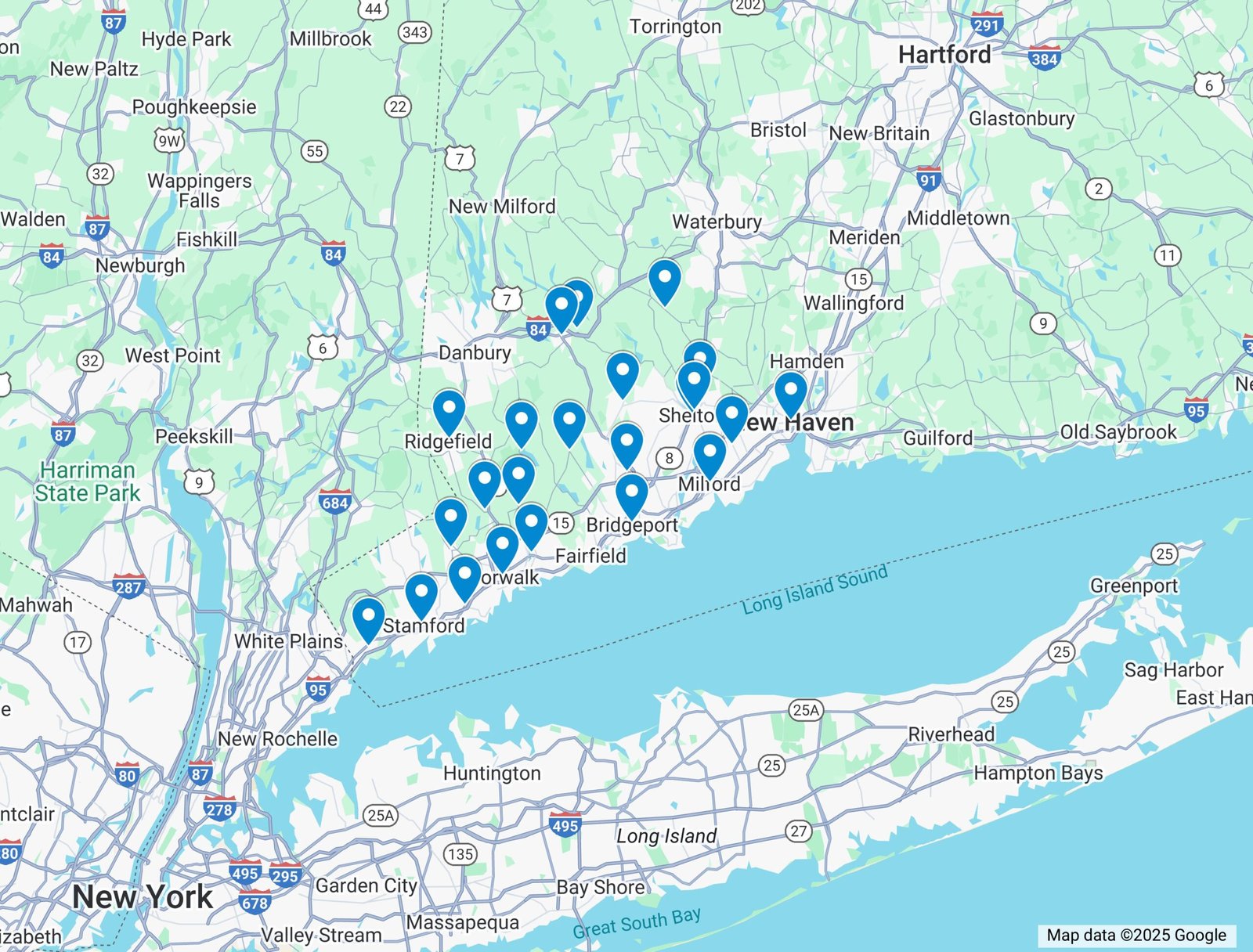
Working with one capable outdoor contractor can simplify this process. Instead of coordinating separate crews for excavation, drainage, masonry, landscaping, paving, fencing, and maintenance, property managers can build a practical plan around the full site. Innovative Landscaping Services LLC can help commercial clients address the underlying work and the visible finishing details with one local team.
A Practical Guide to Commercial Curb Appeal Priorities
If the budget does not allow every improvement at once, start where the property has the greatest impact on safety, access, and daily perception. Drainage failures, damaged pavement, and unsafe walkways generally come before decorative upgrades. Next, focus on the arrival experience: entrance visibility, signage, landscape cleanup, and clean hard surfaces.
Then consider improvements that add lasting structure, such as retaining walls, paver paths, stone accents, upgraded planting beds, or fencing. These projects can strengthen the appearance of a commercial property, but they should support the site’s use rather than compete with it. A polished outdoor space should make it easier for customers, tenants, and employees to arrive, park, walk, and feel confident about what is inside.
A well-kept exterior sends a clear message before anyone says a word: this property is managed, this business is ready, and visitors are welcome. Start with the problem areas people encounter first, then build on that foundation with improvements that will keep working long after the first compliment.