A patio that holds water after every storm, a lawn that stays soggy near the foundation, or a driveway edge that keeps washing away usually has the same problem beneath the surface: the ground is not moving water where it needs to go. Professional land grading services correct the slope of a property so water drains properly, surfaces stay stable, and the next phase of your outdoor project has a solid base.
For homeowners and property managers, grading is rarely the most visible improvement. But it is often the work that protects every visible improvement that follows. A beautiful new lawn, paver patio, retaining wall, or planting bed can only perform as well as the site preparation underneath it.
What Land Grading Services Actually Do
Land grading is the process of reshaping soil to establish the right elevation and slope across a property. The goal may be as simple as smoothing a rough yard before seeding, or as involved as creating a carefully planned grade around a home, parking area, drainage system, or new hardscape installation.
A qualified crew uses excavation equipment to move, add, remove, and compact soil where needed. They assess where rainwater currently collects, where it should travel, and whether the existing ground is putting pressure on a foundation, pavement, or landscape feature. The finished grade should look natural while doing the practical work of directing water away from structures and toward an appropriate drainage area.
Grading is not just about making a yard look level. In fact, a completely level yard can create drainage problems. Most properties need a controlled slope. The exact amount depends on the site, soil conditions, existing drainage, and what is being installed.
A strong grade supports the entire property
When land is graded correctly, water is less likely to pool against a building, saturate a lawn, undermine a walkway, or carry loose soil downhill. It also creates a more usable outdoor space. Uneven ground can make mowing difficult, limit where a patio can go, and turn portions of a yard into muddy areas after normal rainfall.
For commercial properties, proper grading helps maintain a clean, professional exterior while protecting paved areas, walkways, landscaped islands, and building access points. Small drainage issues can become large maintenance problems when water repeatedly freezes, erodes edges, or creates unsafe walking conditions.
Signs Your Property May Need Grading
Some grading problems are obvious after a heavy rain. Others develop slowly and are easy to overlook until a lawn or hardscape begins to fail. If water is repeatedly standing near your foundation or garage, the issue deserves attention before it leads to more expensive repairs.
Watch for these common signs:
- Water pooling in the yard, along a patio, or beside the home after rain
- Soft, muddy sections of lawn that do not dry out normally
- Erosion on slopes, bare soil, or mulch that washes into walkways
- Cracked, sinking, or shifting pavers and uneven driveway edges
- Downspouts that discharge into areas with nowhere for water to go
- A new patio, shed, fence, lawn, or drainage project that needs site preparation
Not every wet spot means an entire yard must be regraded. Sometimes a targeted correction, swale, drainage solution, or a modest amount of fill is enough. The right solution comes from evaluating how the whole site handles water instead of treating only the wettest area.
When Grading Matters Most
Grading should be part of the conversation before construction starts, not an afterthought once water begins causing damage. It is especially valuable before installing features that are costly to remove and rebuild.
Before a patio, walkway, or driveway project
Hardscape surfaces need a firm, properly sloped base. A patio should drain away from the house, while walkways and driveways need stable subgrade conditions that reduce settling and washout. If the ground beneath the installation is uneven, weak, or poorly drained, even high-quality stone and pavers can shift over time.
The practical advantage of working with one outdoor contractor is coordination. Excavation, grading, drainage, base preparation, masonry, and final landscaping can be planned as connected parts of the same project. That reduces the risk of one crew creating a problem another crew has to correct later.
Before planting a new lawn or landscape bed
Fresh seed, sod, shrubs, and mulch need more than good soil. They need the right shape to the land. Low areas can drown turf roots, while steep or exposed areas can lose topsoil during storms. Grading prepares a smoother surface and helps establish conditions where water reaches plants without remaining trapped around them.
A lawn does not need to look like a golf course to be properly graded. It needs to be practical, comfortable to use, and shaped to drain in a way that works with the rest of the property.
After excavation or land clearing
Removing trees, brush, old structures, stumps, or deteriorated surfaces can leave a site uneven and exposed. This is the ideal time to assess elevations and drainage before installing the next feature. Once the ground is open, equipment can access the area efficiently, soil can be redistributed, and a clean foundation can be created for what comes next.
The Difference Between Grading and Drainage
Grading and drainage work together, but they are not always the same service. Grading uses the shape of the land to encourage surface water to move in the right direction. Drainage systems collect or carry water when surface slope alone is not enough.
For example, a simple low spot in an open backyard may be improved with soil and proper grading. A property with a downspout discharge near the foundation, limited space, dense soil, or a heavily paved area may need a combination of regrading and drainage installation. Retaining walls can also change how water moves through a site, making drainage planning essential behind the wall.
The best approach depends on the layout of the property. A quick fix that only covers a low area with topsoil may temporarily hide the problem, but it will not solve water movement if the surrounding grade is still directing runoff back to the same spot.
What a Professional Grading Process Looks Like
A good grading project begins with a site review. The crew looks at existing slopes, water patterns, building elevations, hard surfaces, downspouts, and the intended use of the space. This is where a clear estimate matters. You should understand what work is being recommended, why it is necessary, and whether drainage or additional site preparation is included.
Next comes the equipment work. Soil may be cut from high areas, placed in lower areas, or brought in when additional material is needed. The ground is shaped in stages, then checked for consistent slope and smooth transitions. If a patio, wall, lawn, or driveway is part of the project, final grading is coordinated with those planned elevations.
Compaction is another important consideration, particularly near hardscape, driveways, and structural elements. Loose fill can settle over time. On the other hand, excessively compacted soil in a lawn area may affect drainage and root growth. Experienced operators adjust the approach based on the location and the planned finish.
At Innovative Landscaping Services LLC, owned equipment and integrated excavation, drainage, masonry, and landscaping capabilities help keep this type of work moving efficiently. Instead of leaving a property between separate trades, the team can prepare the land and carry the project through to the finished outdoor space.
Choosing a Contractor for Land Grading
Land grading is not a service to choose on price alone. The lowest estimate can become expensive if the contractor does not account for drainage, soil movement, finished elevations, or access for equipment. Ask how water will be directed, what material will be used, whether compaction is included where needed, and how the work connects to any existing or planned structures.
It is also worth choosing an insured contractor with the equipment and experience to handle the actual site conditions. Small grading jobs can require careful precision. Larger jobs may require excavation, hauling, drainage work, stone base installation, or retaining solutions. The contractor should be prepared for the work your property needs, not just the work that is easiest to quote.
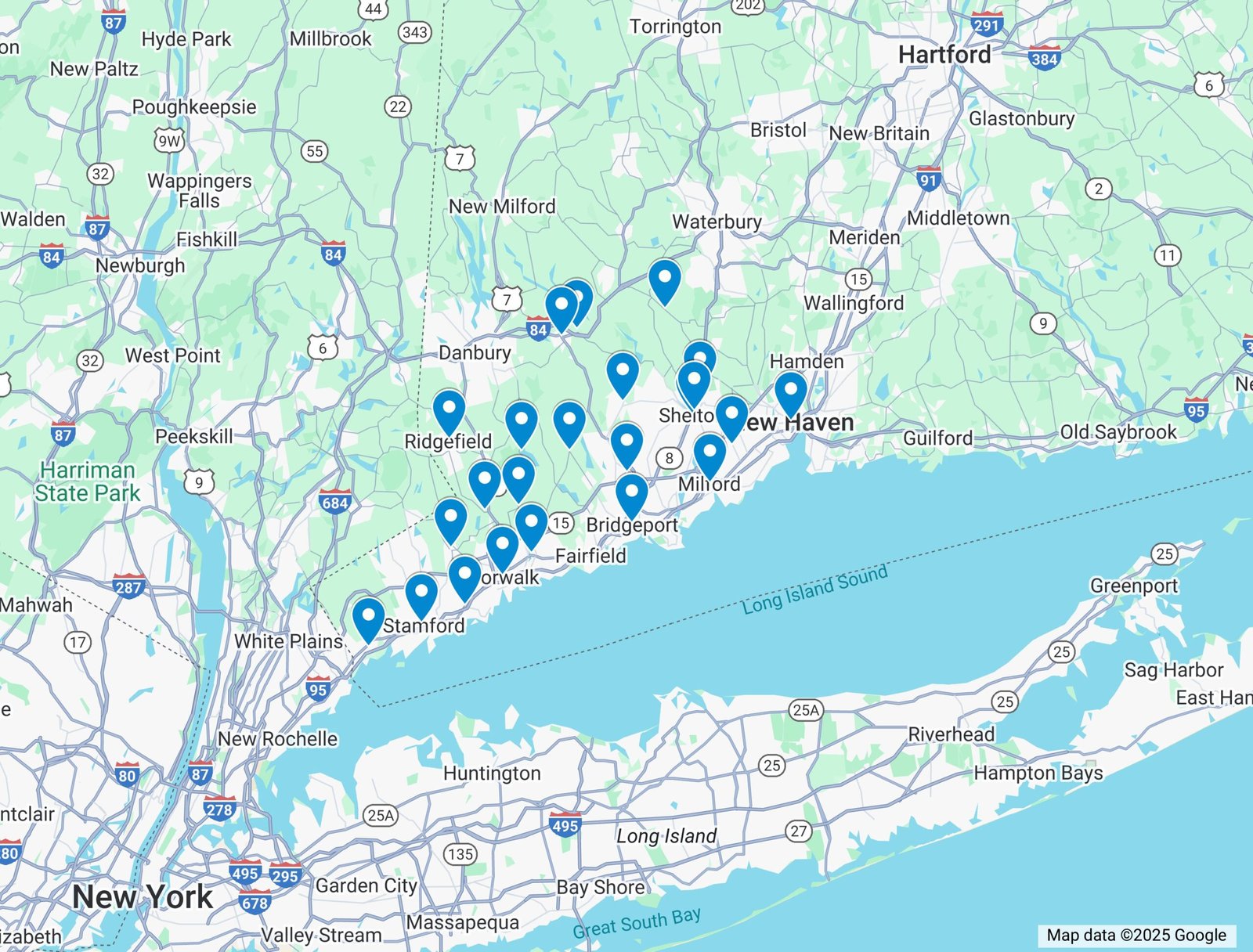
For properties in Fairfield and Westport, seasonal weather makes drainage planning particularly valuable. Heavy rain, freeze-thaw cycles, and established landscapes all place demands on the ground beneath your outdoor improvements. A well-planned grade helps your property handle those conditions with less stress and less maintenance.
If your yard, driveway, patio area, or commercial site is showing signs of poor drainage or uneven ground, start with a professional site assessment. The right grade can make the rest of your outdoor space easier to enjoy, easier to maintain, and built to last.