A cleared lot can be the first real step toward a new lawn, patio, driveway, addition, drainage solution, or commercial improvement. But moving equipment onto a property before checking local rules can create expensive delays. This guide to land clearing permits helps Connecticut property owners understand what may be required before trees come down, brush is removed, or grading begins.
Permit requirements are not one-size-fits-all. They can change based on your town, the size of the disturbed area, the condition of the site, and whether wetlands, steep slopes, drainage systems, or protected areas are nearby. A little planning upfront protects your schedule, your budget, and your property.
When Does Land Clearing Need a Permit?
Land clearing can mean much more than cutting down a few small trees. Municipalities may view clearing as any work that removes trees, brush, stumps, topsoil, or vegetation in preparation for construction, landscaping, paving, or grading.
A permit may be needed when the project involves substantial tree removal, excavation, regrading, driveway construction, retaining walls, new drainage, utility work, or a change in how stormwater moves across the property. Clearing tied to a larger project often falls under that project’s building, zoning, site-plan, or erosion-control approvals.
A small homeowner cleanup may not require formal approval. For example, removing fallen limbs, trimming vegetation, or clearing a limited area well away from wetlands may be allowed. Still, it is smart to verify before work begins. The difference between ordinary yard maintenance and regulated site work is not always obvious from the ground.
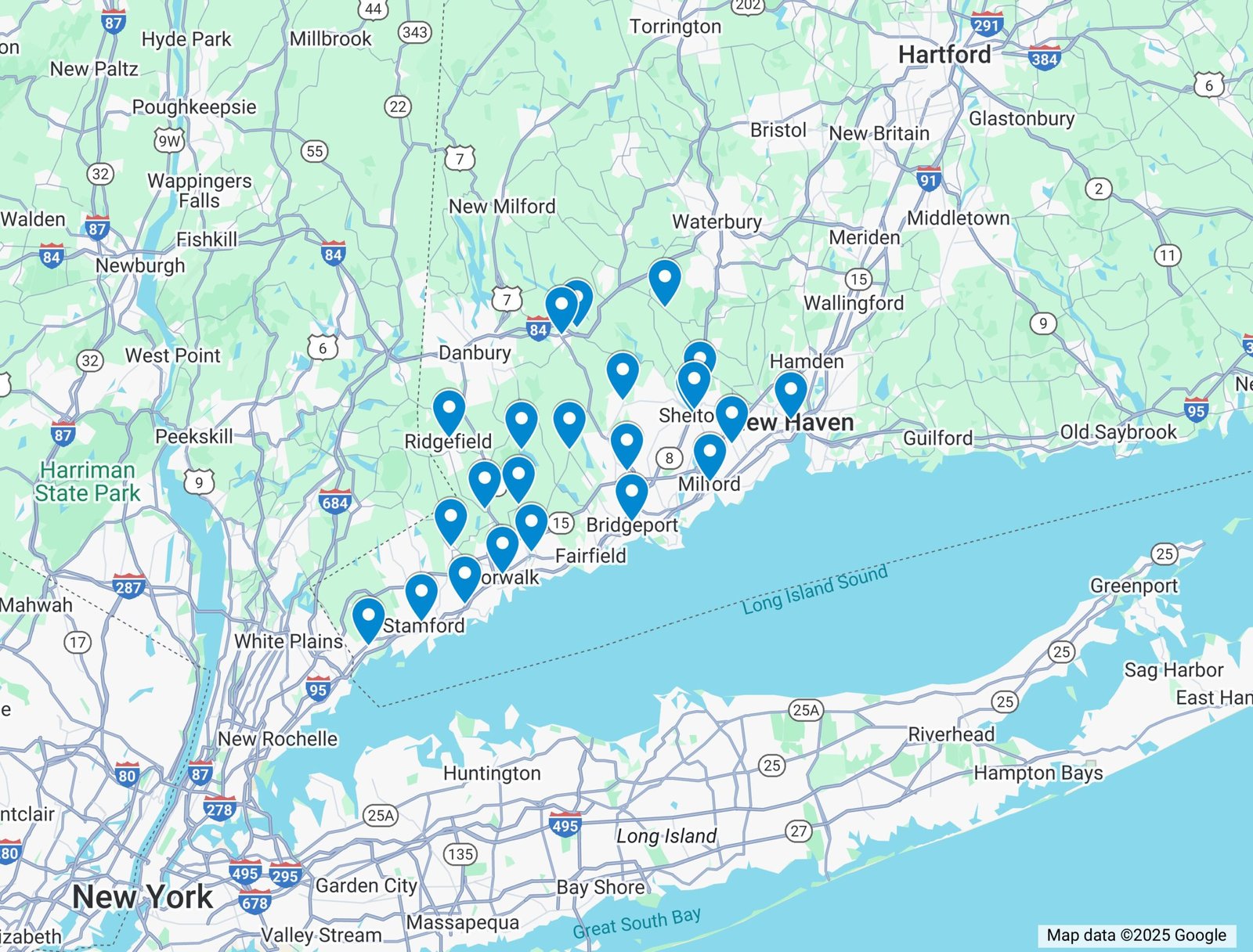
In Fairfield County communities, local land-use departments may have their own thresholds, applications, and review timelines. Never assume a permit issued for a neighboring property, or rules in a neighboring town, apply to your site.
The Permits and Reviews That May Apply
The permit you need depends on the work, not simply the name of the project. One land-clearing job may require no permit, while another may involve several departments.
Zoning and Site Work Approval
Zoning review may apply if clearing supports a new structure, expanded parking, a driveway, accessory building, fence, pool, patio, or other improvement. The town may want to confirm setbacks, lot coverage, access, screening, grading, and drainage plans before vegetation is removed.
If your plans include a retaining wall or significant grade change, the review can become more detailed. Walls, slopes, and runoff are connected. Clearing a hillside without a grading plan can affect neighboring properties and create erosion problems during the next heavy rain.
Inland Wetlands Review
Wetlands are one of the biggest reasons a land-clearing project needs advance approval. In Connecticut, regulated areas can include wetlands and watercourses, along with nearby upland review areas established by the local wetlands commission.
Do not rely on the appearance of the ground alone. A property can have regulated soils or a seasonal drainage feature even if it looks dry during part of the year. Clearing, stump removal, grading, filling, and equipment access near these areas may require a wetlands permit or determination.
This is especially relevant when a project is close to a brook, pond, drainage swale, low-lying wooded area, or visibly damp portion of the yard. Starting first and asking later can lead to stop-work orders, restoration requirements, and added engineering costs.
Erosion and Sediment Control
When clearing exposes soil, rain can carry sediment into streets, catch basins, wetlands, and neighboring yards. Larger projects may need an erosion and sediment control plan showing how the site will be protected during work.
Common measures include stabilized construction entrances, silt fencing, sediment barriers, temporary seeding, mulching, and carefully planned stockpile locations. These are not just boxes to check. Proper controls keep mud off pavement, reduce washouts, and help preserve the finished grade.
Tree Protection or Removal Rules
Some towns regulate removal of certain trees, clearing within designated areas, or work connected to development approvals. Street trees and trees within public rights-of-way are often handled differently from trees inside a private yard.
If a tree is dead, hazardous, or storm-damaged, the process may be faster, but documentation can still help. Photos and an assessment from a qualified professional may be useful when the reason for removal needs to be clear.
What to Check Before Applying
The fastest projects begin with accurate information. Before submitting an application or scheduling clearing, identify your property lines, planned work area, existing drainage features, and the final purpose of the cleared space.
A survey is particularly helpful when work is close to a boundary, wet area, easement, or right-of-way. It is far easier to adjust an access route or work limit on paper than after equipment has disturbed the wrong area.
You should also think beyond the first day of clearing. Where will stumps go? Will the site need excavation, fill, grading, drainage, or topsoil? Is the final surface lawn, gravel, asphalt, pavers, or a building pad? A permit reviewer is often looking at the whole impact of the work, and a complete plan can prevent repeated revisions.
For commercial properties, clearing may also affect parking operations, deliveries, pedestrian routes, stormwater systems, and site safety. Planning access and staging early helps reduce disruption for tenants, customers, and employees.
A Practical Guide to Land Clearing Permits
Start by calling or visiting your local building, planning and zoning, and inland wetlands offices. Describe the scope plainly: the approximate area to be cleared, number and size of trees if known, whether stumps will be removed, whether the ground will be graded, and what is planned afterward.
Ask which approvals apply, what documents are needed, and whether the town requires a site plan, survey, wetlands map, tree information, drainage plan, or erosion-control details. Also ask about review meeting dates. Wetlands and zoning commissions may meet on set schedules, which can affect the start date more than the actual clearing work.
Once the requirements are clear, prepare a complete application. Incomplete submissions are a common source of delay. A simple sketch may be enough for minor work, while a larger or more sensitive project may need plans prepared by a surveyor, engineer, or other qualified professional.
After approval, keep the permit and approved plans available on site. The crew should understand the approved work limits, protected areas, access route, material stockpile location, and erosion controls before equipment arrives. Clear communication matters because a machine can disturb a large area quickly.
Finally, schedule clearing with the next phase in mind. If excavation, drainage, wall construction, paving, or landscape installation will follow, coordinating the work under one site plan reduces repeated mobilization and helps protect finished areas from damage.
Avoid These Costly Mistakes
The most common mistake is treating land clearing as a stand-alone task when it is actually the first phase of a larger construction project. Removing trees before the site plan, drainage layout, or wall location is finalized can mean clearing too much or leaving obstacles in the wrong place.
Another mistake is overlooking water. Existing swales, downspout outlets, catch basins, and natural low points all affect how runoff moves after vegetation is removed. A clean-looking cleared yard can still become a muddy, unstable problem if water has nowhere planned to go.
Property owners should also avoid choosing a contractor based only on the lowest clearing price. A low number can become expensive if it excludes stump handling, hauling, grading, erosion protection, site restoration, or coordination with the approved plan. Ask what the quote covers and what conditions could change the cost.
Plan the Work, Then Transform the Property
Land clearing should leave your property ready for what comes next, not create a new round of problems. Whether you are opening space for a backyard upgrade, improving drainage, preparing a commercial site, or reclaiming an overgrown area, the right permit process gives the project a solid start.
A capable local team can help you look at the full picture – clearing, excavation, grading, drainage, masonry, paving, and landscape restoration – so each phase supports the finished result. Get the approvals sorted, define the plan, and then put your property to work for you.