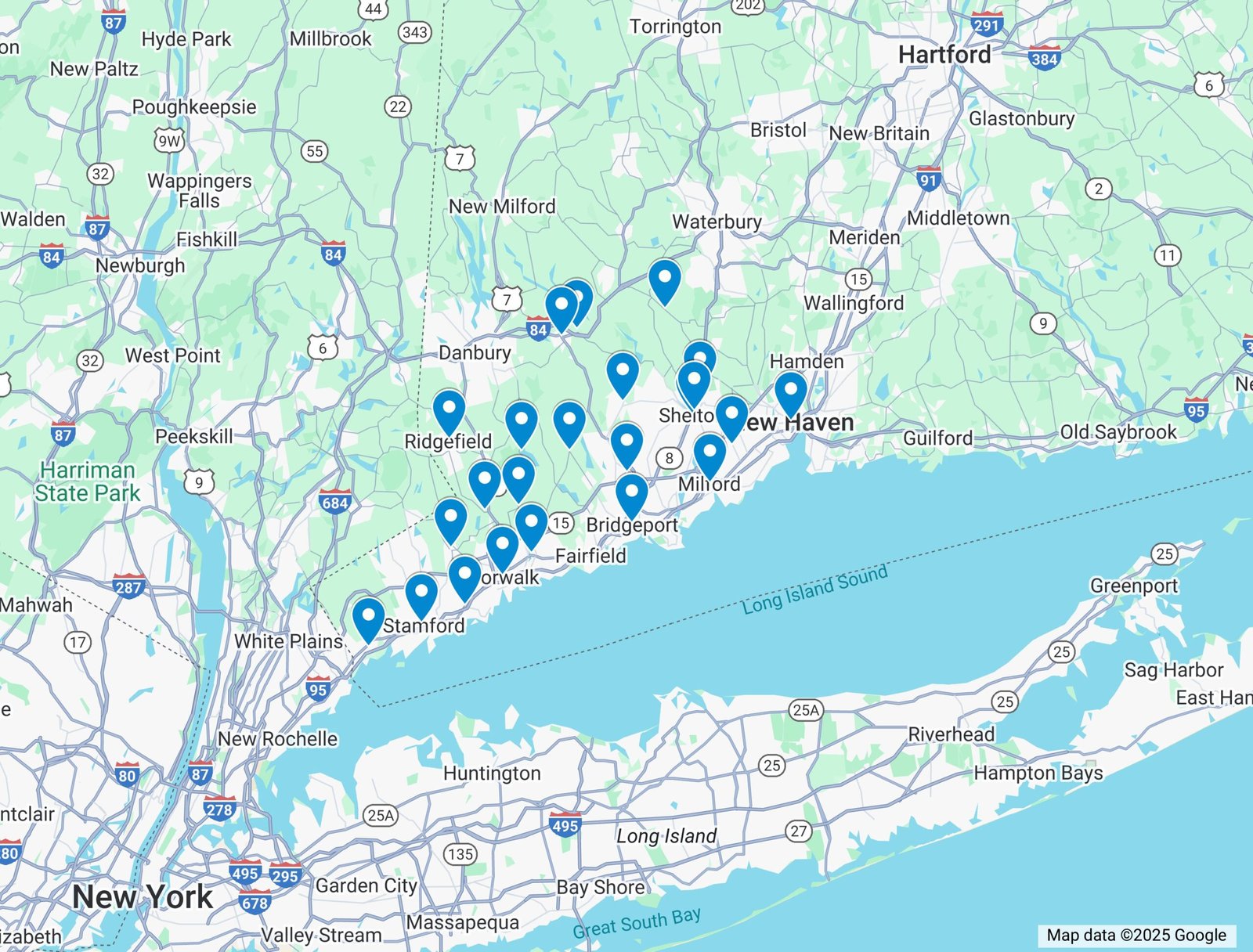
A clearing job can change the direction of an entire outdoor project. Whether you are planning a new patio, solving a drainage problem, building a fence, expanding usable lawn, or preparing a commercial site, land clearing services Fairfield County property owners choose should do more than remove brush. The work needs to leave your property stable, accessible, and ready for what comes next.
That is where a capable local crew makes a real difference. Clearing the visible growth is only one part of the job. The ground beneath it, the path water takes across it, the trees worth protecting, and the equipment access all affect the final result.
What Professional Land Clearing Should Accomplish
Land clearing is often described as cutting back trees, brush, vines, and overgrown vegetation. That may be the first step, but a properly planned project also prepares the site for its intended use. A wooded corner of a backyard may need selective clearing for a future fire pit and seating area. A neglected commercial edge may need vegetation removal to improve access, visibility, and ongoing maintenance.
The right scope depends on your plans for the property. Some clients need a clean, open area for construction. Others want to reclaim a portion of the yard without turning the whole property into bare ground. Selective clearing can preserve mature trees, natural privacy, and shade while removing invasive growth, fallen limbs, brush piles, or trees that are crowding the space.
Professional work should also account for cleanup. Leaving stumps, roots, uneven soil, and debris behind can create problems for the next contractor or for the homeowner trying to maintain the area. A site should be left in a condition that supports the next phase, whether that is grading, drainage installation, lawn preparation, excavation, paving, or hardscape construction.
Land Clearing Services in Fairfield County Start With a Site Review
Every property has different conditions, especially where established homes, slopes, stone features, mature landscaping, and tight access points are involved. Before equipment arrives, a site review helps define what should be removed, what should stay, and what needs extra protection.
A good plan considers the density and type of vegetation, the grade of the property, utility locations, soil conditions, and the intended use of the cleared area. Access matters too. A crew may need to work around a narrow driveway, existing fencing, garden beds, or a finished lawn that you want to protect.
Tree size can change both the equipment needs and the safety plan. Small brush and saplings may be handled quickly, while larger trees, extensive root systems, or trees near structures require more controlled work. In some cases, a property owner may need to check local requirements before removing certain trees or working near protected areas. It is always better to address those details before scheduling work than to pause midway through a project.
For homes in Fairfield and Westport, drainage is another frequent concern. Removing vegetation can expose low spots that were previously hidden by brush. It can also change how runoff moves through the yard. If water already collects near a foundation, driveway, or patio area, clearing should be coordinated with grading or drainage improvements rather than treated as a separate job.
Clearing Is Only the First Step
The biggest mistake in land clearing is assuming the project ends when the vegetation is gone. Once the area is open, the grade becomes easier to see. That is often when property owners notice poor drainage, unstable slopes, exposed roots, old debris, or uneven terrain that would make the space difficult to use.
This is why an integrated outdoor contractor can save time and unnecessary coordination. The same team can assess whether the cleared area needs excavation, rough grading, drainage work, topsoil, seeding, fencing, or a retaining wall. Instead of bringing in one company to clear, another to move soil, and another to build the finished feature, you can organize the project around one clear plan.
For example, a homeowner may start with the goal of removing an overgrown backyard section. After clearing, the best long-term solution may be a level patio area with a retaining wall, improved drainage, and new lawn around it. A commercial property may need brush removal along a boundary, followed by fence installation and a cleaner landscape edge that is easier for staff or tenants to maintain.
Not every property needs every service. A simple clearing and cleanup may be enough for a small, level area. But when the site has drainage issues, a steep grade, or plans for a new structure, addressing those conditions early can prevent expensive changes later.
Equipment, Access, and Efficient Execution
The equipment used on a clearing project affects both productivity and property protection. Handwork has its place around delicate landscaping, tight corners, and structures. For larger areas, properly sized machinery helps crews clear, load, move material, and prepare the ground efficiently.
Owned equipment gives a contractor more control over scheduling and job execution. It also means the crew can match the equipment to the scope instead of trying to force a large job through with limited tools. That matters when weather windows are short or when commercial work needs to be completed with minimal disruption.
Efficiency should never mean rushing through the details. A quality crew takes care around driveways, underground utilities, neighboring properties, existing stonework, and trees that are staying. They also plan material handling so brush, logs, stumps, and other debris do not become an afterthought.
When you request an estimate, be clear about your goal for the area. Photos can help with an initial conversation, but an on-site review is often the best way to identify access challenges, drainage concerns, and the work needed to create a finished result.
Questions to Ask Before You Schedule
The best land clearing project starts with direct questions. Ask what is included in the removal and cleanup, whether stump removal or grinding is part of the scope, and how the crew will protect areas that are not being cleared. If you are preparing for construction, ask how the site will be left for the next phase.
You should also discuss the material on site. Brush, logs, wood chips, old fencing, construction debris, and rocks may require different handling. Knowing that upfront helps avoid surprises and makes the quote more accurate.
If drainage is a concern, bring it up before the clearing begins. Point out where water gathers after heavy rain, where it enters or leaves the property, and which areas need to remain usable. A thoughtful plan may include grading, drainage solutions, or retaining work that protects your investment long after the vegetation is removed.
Insurance, scheduling, and communication matter just as much as machinery. You want a crew that arrives prepared, explains the work clearly, respects your property, and gives you a realistic timeline. For commercial owners and property managers, that reliability helps keep the site presentable and reduces disruption for customers, tenants, and daily operations.
Make Room for the Property You Want
Clearing land is not about stripping away every natural feature. It is about making smart room for safer access, better drainage, healthier landscaping, and outdoor spaces you can actually use. The best result balances your immediate need for a cleaner property with the long-term plan for the site.
Innovative Landscaping Services LLC can help turn an overgrown or difficult area into a practical starting point for your next outdoor improvement. A free on-site estimate gives you the chance to walk the property, discuss your goals, and build a plan that fits the work ahead. Start with a clear site, then give that space a purpose.