A beautiful patio, retaining wall, driveway, or commercial landscape can fail long before the finishing materials arrive. Water may be moving toward the building, soil may be too soft to support the work, or buried utilities may sit directly below the planned excavation area. This site preparation project guide helps property owners make the right decisions before construction starts, so the finished space looks great and performs the way it should.
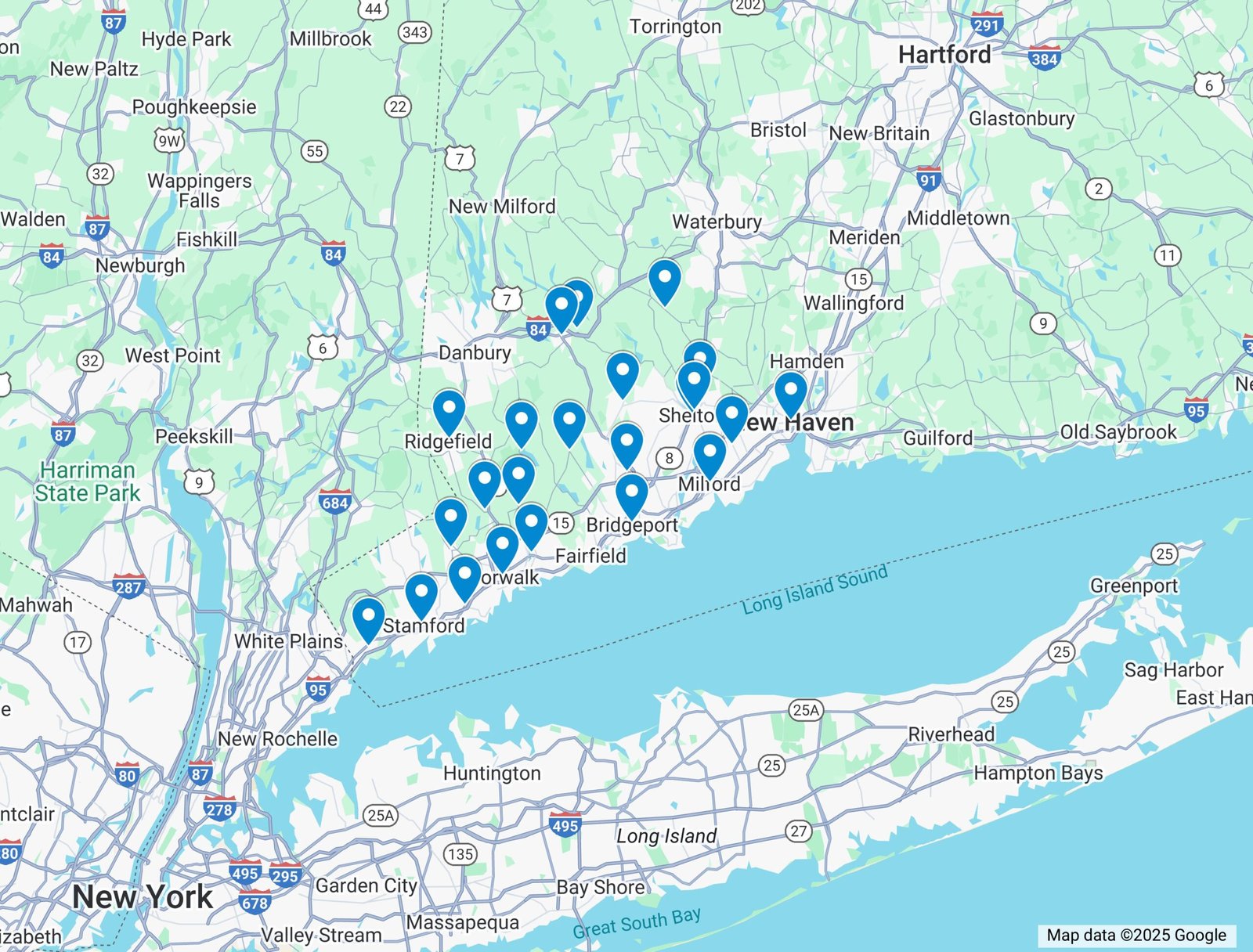
For homes and businesses in Fairfield County, proper site work is rarely an optional extra. Connecticut properties often bring slopes, ledge, mature trees, compact lots, drainage concerns, and changing soil conditions into the same project. A clear plan turns those challenges into manageable steps instead of expensive surprises.
Start With the Finished Use, Not the First Machine
Site preparation should match what the property needs when the job is complete. Preparing an area for a paver patio is different from preparing a foundation for a retaining wall. A lawn installation needs healthy topsoil and proper grading, while a parking area or driveway needs a stable, compacted base that can carry repeated vehicle weight.
Before work begins, define how the space will be used. Consider traffic, drainage, access, privacy, maintenance, and how the new work connects with existing features. A walkway needs safe, comfortable slopes. An outdoor kitchen may need room for utility lines. A commercial entry area may need durable surfaces that continue to look professional through heavy foot traffic and winter weather.
This is also the time to identify what stays. Established trees, stone walls, utility boxes, irrigation heads, fencing, and nearby structures all affect the work plan. Removing an obstacle may make excavation faster, but protecting it may be more valuable to the finished property. The right choice depends on the project goals, condition of the existing feature, and available budget.
Assess the Ground Before You Build
A site can look level from the driveway and still have serious drainage or elevation issues. A professional assessment looks beyond the visible surface. Crews need to understand where water enters the property, where it naturally travels, and whether the proposed work could change that path.
Check grade and drainage patterns
Water is one of the biggest reasons outdoor projects need repair. If a patio, planting bed, driveway, or lawn is installed without a deliberate grade, water can collect against a home, settle on hardscape surfaces, wash out soil, or create muddy areas that never fully dry.
The goal is not simply to move water away as quickly as possible. It is to direct it responsibly to an appropriate outlet while protecting structures, neighboring properties, and finished landscaping. Depending on the site, that may involve regrading, swales, catch basins, drainage pipe, gravel, or a combination of solutions.
Pay close attention to low points near foundations, garage doors, walkways, retaining walls, and parking areas. Water that sits in these places can lead to ice, erosion, staining, settlement, and costly structural concerns. A small correction during preparation is usually far easier than tearing out finished work later.
Understand soil, ledge, and base conditions
Topsoil, fill, clay, sand, gravel, and ledge do not behave the same way under weight or water. Soft, organic, or unstable material may need to be removed before a base is installed. Soil that holds water may require extra drainage planning. Rock ledge can change excavation methods, equipment needs, timing, and cost.
This does not mean every project requires extensive engineering. It means the crew should investigate the actual conditions rather than assume the surface tells the whole story. A dependable contractor adjusts the scope when conditions call for it and explains why the adjustment matters.
Locate utilities and plan safe access
Any excavation project should account for underground utilities before digging starts. Gas, electric, communication, water, sewer, and irrigation lines may run through areas that appear clear. Marking and verifying utilities protects people, property, and project schedules.
Access matters just as much. Equipment needs a safe route in and out, and material deliveries need a place to unload without damaging lawns, curbs, or existing surfaces. On tighter residential lots, access may shape the entire sequence of the project. A crew with the right equipment can work more efficiently, but careful protection of the property still matters.
Build the Right Sequence Into the Plan
The strongest outdoor projects follow a logical order. Trying to install finished surfaces before excavation, drainage, or utility work is complete often creates unnecessary rework. A coordinated contractor can handle the groundwork and the visible details in one organized process.
A typical site preparation sequence begins with layout and protection. The crew marks work areas, identifies items to preserve, and establishes access routes. Land clearing, demolition, or removal of unsuitable material follows where needed. Then comes rough grading, excavation, utility or drainage installation, and base preparation.
Compaction deserves particular attention. Base material needs to be installed in appropriate lifts and compacted properly for the intended load. Rushing this stage can lead to settling beneath pavers, walkways, driveways, walls, and other features. A smooth finished surface is not proof that the base below it is ready.
Final grading should happen after the major construction is complete, not as an afterthought. This is when the crew refines the surface, sets proper drainage directions, and prepares areas for topsoil, seed, sod, planting, mulch, or stone. The result should feel intentional from the foundation to the final edge.
Plan for Your Property’s Real Conditions
Every property comes with trade-offs. Clearing more land can create a larger usable area, but it may remove shade, screening, or root systems that help stabilize a slope. A tall retaining wall can reclaim space, but it may require additional engineering, drainage, and permitting. A low-cost fill material may reduce the initial price, but it may not provide the performance needed for a driveway or structural hardscape.
Budget should guide the plan, but it should not force essential site work out of the scope. If the project cannot yet include every decorative feature, it is often smarter to complete excavation, drainage, and base work correctly now. Features such as plantings, lighting, veneers, or an expanded patio can be added later when the groundwork is already sound.
Season also affects the work. Dry conditions can make excavation and grading more predictable, while wet ground may slow access and compaction. Cold weather can limit planting and affect certain materials, though many excavation, drainage, masonry, and hardscape tasks can still move forward with the right planning. A realistic schedule accounts for weather without cutting corners.
Questions to Ask Before Approving the Work
A clear estimate should help you understand what is included in preparation, not just what the finished project will look like. Ask how drainage will be handled, what base materials will be used, how deep excavation will go, and whether unsuitable soil or ledge could affect the price or timeline.
You should also ask who is responsible for utility coordination, permits when required, material delivery, cleanup, and restoration of disturbed lawn areas. For commercial properties, discuss site access, operating hours, customer safety, and how the work zone will be managed around tenants or visitors.
The best answers are specific to the property. Broad promises are easy to make. A contractor who has walked the site, reviewed grades, considered access, and explained likely conditions gives you a much stronger starting point.
Choose One Team for Groundwork and Finish Work
Coordinating separate excavation, drainage, masonry, paving, and landscaping companies can create gaps in communication. One contractor may blame another when a grade is wrong or a finished surface settles. Working with a team that can manage the full sequence creates clearer accountability and keeps the project moving from dirt work to final cleanup.
Innovative Landscaping Services LLC brings excavation, drainage, land clearing, hardscape, masonry, landscaping, and surface restoration together for property owners who want one dependable local partner. Owned equipment and experienced crews help keep the work organized, responsive, and focused on the condition of the property in front of them.
A well-prepared site will not always be the most visible part of your project, but it is what allows the visible part to last. Before selecting the stone color, fence style, or patio furniture, make sure the ground beneath the project has a plan worthy of the finished space.