A paver patio can look worn out long before the pavers themselves are ready for replacement. Dark mildew, tracked-in soil, leaf stains, and weeds can make a solid walkway or outdoor living space feel neglected. Knowing how to clean pavers safely helps you restore that clean, welcoming look without stripping color, loosening joint sand, or damaging the surface beneath your feet.
The goal is not to blast every stain away at maximum pressure. A safe cleaning process starts with identifying the paver material, using the mildest effective method, and protecting the joints that keep the entire surface stable.
Start With the Paver Type and the Problem
Concrete pavers, clay brick, and natural stone do not all respond the same way to water pressure and cleaners. Most manufactured concrete pavers can handle a careful wash, but soft stone and older brick may need a gentler touch. If the surface has a sealer, harsh chemicals or aggressive pressure can leave uneven, cloudy, or dull areas.
Before bringing out a pressure washer, look closely at what you are trying to remove. Loose dirt and pollen require far less effort than rust, oil, white mineral deposits, or thick moss. Treating every issue with the same cleaner is one of the fastest ways to create unnecessary damage.
Check for loose, cracked, or sunken pavers as well. Cleaning will not fix a failing base, poor drainage, or shifting edge restraints. In fact, forcing water into existing gaps can make those conditions worse. Address movement and drainage concerns before putting serious water pressure on the surface.
Gather Simple Tools Before You Clean
For a standard seasonal cleaning, you usually need a stiff outdoor broom, garden hose with a spray nozzle, bucket, mild paver-safe cleaner, scrub brush, and protective gloves. A pressure washer can be useful, but it is optional for light dirt and should never be the first tool you reach for.
Avoid wire brushes on concrete pavers, especially colored or textured products. They can leave scratch marks and expose aggregate. Also avoid automatic use of muriatic acid, undiluted bleach, or highly acidic masonry cleaners. These products can alter color, damage nearby plants, weaken some materials, and create runoff concerns.
If you are trying a new cleaner, test it in a small, out-of-the-way spot first. Let it dry completely before deciding whether the result is acceptable. Wet pavers can look darker than they will after drying, so patience matters.
How to Clean Pavers Safely Step by Step
Start by clearing furniture, planters, grills, and loose debris from the area. Sweep thoroughly, paying attention to leaves and dirt lodged along edges, steps, and joints. This simple step prevents mud from spreading across the surface once water is added.
Wet nearby landscaping before using any cleaning solution. Saturated soil and plant leaves are less likely to absorb overspray. If a cleaner is used, follow the label dilution instructions exactly. More product does not necessarily mean a better result.
Apply the solution in manageable sections rather than covering the whole patio at once. Let it sit only for the recommended dwell time, then scrub stained areas with a stiff nylon brush. Work with the paver pattern and use steady pressure instead of grinding one small spot aggressively.
Rinse each section well with clean water. Do not allow cleaner to dry on the pavers, especially on warm or sunny days. Dry residue can leave blotches that are more noticeable than the original dirt.
For many patios and walkways, this process is enough. Regular sweeping and a gentle wash often deliver a major improvement without the risk that comes with high-pressure cleaning.
Remove Weeds Before Washing
Pull or treat weeds before washing, rather than trying to erase them with water pressure. A pressure washer may remove the visible growth, but it can also blow joint sand out of the gaps and leave space for more weeds to return.
Once the area is clean and dry, inspect the joints. If sand has been lost from normal wear or cleaning, refill it with the appropriate jointing sand. This helps lock pavers together, reduces weed growth, and discourages ants from making a home beneath the surface.
Use a Pressure Washer With Care
Pressure washing can restore heavily soiled pavers, but the technique matters more than the machine’s maximum rating. Too much pressure, a narrow tip, or holding the wand too close can cut into concrete pavers and empty the joints. The result may look clean for a day, then develop loose pavers, uneven lines, and recurring weeds.
Use a wide fan tip, not a pinpoint or turbo nozzle. Start at low pressure and test an inconspicuous area. Keep the wand moving in smooth, overlapping passes and maintain a consistent distance from the surface. Do not concentrate the spray on a single joint or edge.
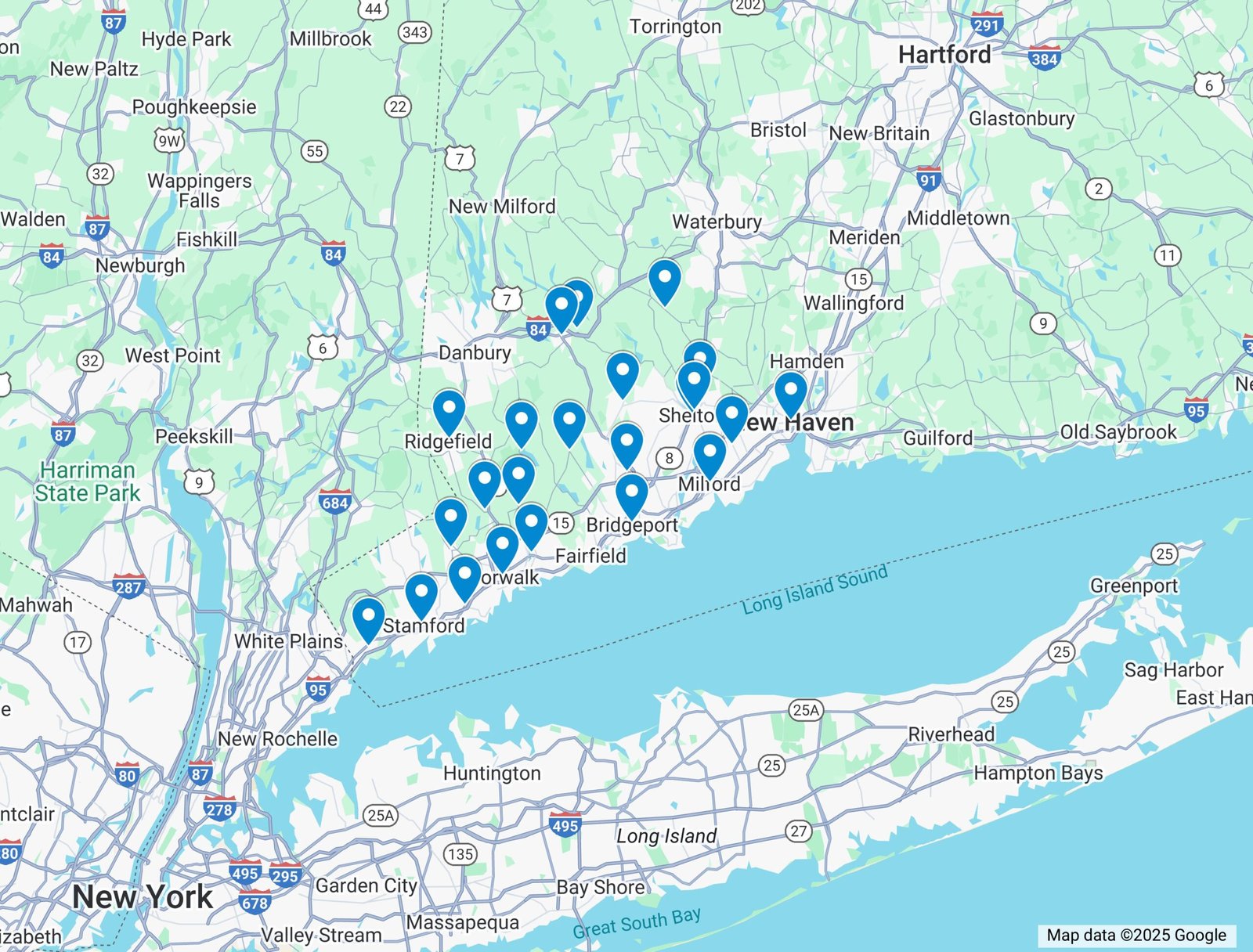
Work in the direction that carries water away from the home, garage, and low spots. This is especially useful in Fairfield County, where spring rain, shaded yards, and freeze-thaw conditions can already put stress on patios and walkways. You want to remove grime, not force water below the pavers or toward the foundation.
After pressure washing, allow the surface to dry before evaluating the result. If joint sand has washed out, replace it before putting furniture back or walking heavily across the area. For larger patios, driveways, or commercial walkways, a surface cleaner attachment can provide a more even finish than a wand, but it still needs to be used at an appropriate pressure.
Match the Treatment to Common Stains
Mildew and algae are common in shaded sections near trees, fences, and north-facing walls. A paver-safe outdoor cleaner and light scrubbing usually work well. Improving sunlight, trimming back overgrowth, or correcting drainage can help keep the problem from returning.
For grease or oil, absorb fresh spills immediately with an absorbent material, then use a degreaser made for masonry surfaces. Older oil stains may lighten rather than disappear completely, particularly on unsealed concrete pavers. Repeated gentle treatments are safer than one harsh chemical application.
White, powdery residue is often efflorescence, which occurs when minerals move to the surface as moisture evaporates. It can be mistaken for dirt, but it needs a different approach. Mild efflorescence may fade naturally over time. Heavy buildup may require a product specifically made for efflorescence removal and careful testing, especially on natural stone.
Rust, paint, tire marks, and mortar haze are specialty problems. The wrong remover can discolor pavers or harm adjacent materials. If the stain is widespread, old, or located on expensive stonework, it is worth having an experienced hardscape and power washing crew assess it first.
Protect the Results After Cleaning
A clean paver surface stays attractive longer when the surrounding property is maintained. Keep leaves from sitting on the patio through wet weather, redirect downspouts that dump water onto walkways, and address low areas where water lingers. Persistent moisture encourages algae and can contribute to shifting during Connecticut winters.
Sealing may be a good option for some concrete paver installations, especially around outdoor kitchens, grills, pool areas, or driveways with frequent vehicle traffic. A quality sealer can make routine cleanup easier and help resist stains, but it is not right for every material or every finish. It can also change the appearance of the surface, adding color enhancement or sheen depending on the product.
If you choose to seal, clean and dry the pavers thoroughly first. Trapping moisture or stains beneath sealer can create a patchy result that is difficult to correct.
When It Makes Sense to Call a Professional
Professional help is a practical choice when pavers are badly stained, the patio is large, joints are failing, or the surface has settled. Cleaning and restoring pavers often involves more than washing. Re-leveling sections, improving drainage, replacing edge restraints, adding joint sand, and sealing correctly can protect the investment for years.
Innovative Landscaping Services LLC can help property owners evaluate whether a surface needs careful power washing, paver repair, drainage work, or a more complete hardscape refresh. With the right equipment and a hands-on approach, the work can be completed without turning your outdoor space into another project to manage.
A clean paver patio should feel like an invitation to use your outdoor space again. Start gently, protect the joints, and give stubborn stains the specific treatment they need. That approach keeps the surface looking sharp while preserving the solid craftsmanship underneath.