A walkway should make arriving home easier, not create another place to watch your step. Uneven pavers, loose stone, standing water, and crumbling edges can make even a well-kept property look neglected. The right walkway installation contractor looks beyond the surface material to build a path that is attractive, stable, properly graded, and made for everyday use.
For homeowners and property managers, that difference matters. A front walkway shapes the first impression of a property. A side-yard path can make trash, tools, gates, and utility areas easier to reach. Around commercial buildings, a clean, dependable walkway helps visitors and employees move safely while supporting a professional exterior appearance.
What a Walkway Installation Contractor Should Handle
Walkway installation is not just about placing pavers or stones in a pleasing pattern. A dependable contractor evaluates the entire area first, including slope, drainage, soil conditions, access, existing landscaping, and where people naturally walk.
A path that looks level can still be built incorrectly underneath. If the base is too shallow, poorly compacted, or installed over weak soil, pavers may shift after a season of rain, frost, and regular foot traffic. Connecticut weather puts hardscapes through repeated freeze-thaw cycles, so proper excavation and base preparation are not optional details. They are what help a walkway stay level and useful year after year.
A qualified crew should be able to manage the complete scope of work: layout, excavation, removal of unsuitable material, base installation, compaction, edging, surface installation, final grading, and cleanup. If the project affects nearby lawn areas, planting beds, steps, retaining walls, or drainage, those conditions should be considered before work begins rather than treated as surprises later.
Start With the Way the Property Actually Works
The best walkway design is shaped by how the space is used. A straight front path may be the most practical choice for a formal entry, while a gently curved walkway can create a more natural connection between a driveway, patio, garden, or backyard living area.
Width matters, too. A narrow path may work for a secondary garden route, but it can feel restrictive at a primary entrance where two people may walk side by side. Property owners should also think about doors, gates, stairs, lighting, snow removal, and where water goes after a heavy storm.
Drainage Comes Before the Finish
Standing water near a walkway is more than a nuisance. It can soften the base, move joint material, create icy patches, and direct moisture toward a foundation or lawn area. In many cases, the walkway itself needs a subtle pitch so water moves away from structures and off the surface.
Sometimes the solution is simple grading. Other sites may need drainage work, catch basins, or adjustments to surrounding soil and landscaping. This is where an outdoor contractor with excavation and drainage capabilities can save time and prevent finger-pointing between separate trades.
Existing Conditions Can Change the Plan
Roots, buried utilities, poorly drained soil, old concrete, and tight access points can all affect the installation approach and cost. A fair estimate should account for these conditions as clearly as possible. It is better to have an honest conversation about what the site needs than to choose a low quote that leaves out the foundation work required for a lasting result.
Choose Materials That Fit the Property
There is no single best walkway material for every home or commercial property. The right choice depends on the style of the building, the amount of foot traffic, maintenance preferences, budget, and the surrounding hardscape.
Concrete pavers offer clean lines, a wide range of colors and patterns, and the ability to repair a localized section if needed. Natural stone brings character and a timeless appearance, especially near stone walls, patios, or traditional New England architecture. Brick can create a classic entry path, while gravel or crushed stone may suit a more informal garden route when contained with strong edging.
Material selection should also account for traction and snow removal. A deeply uneven stone surface can be beautiful but less convenient for rolling bins, strollers, guests with mobility concerns, or a snow shovel. Smooth surfaces can be easier to maintain, but they still need proper texture and drainage for wet conditions.
A good contractor will help you weigh appearance against practical use. The goal is not simply to choose the most expensive material. It is to install a walkway that fits the property and performs well through the seasons.
The Base Is Where Long-Term Quality Begins
Most walkway failures start below the finished surface. A professional installation typically begins by excavating to the required depth, then building a compacted aggregate base that supports the selected material. The depth and composition of that base can vary based on soil conditions, material type, and expected use.
After the base is compacted, the crew creates a consistent bedding layer, installs the pavers or stone, secures the edges, and finishes joints as appropriate for the material. Each phase affects the next one. If the base is uneven, the finished path will be uneven. If edges are not properly restrained, pavers can spread and shift over time.
This is also why equipment matters. Proper excavation and compaction equipment help crews work efficiently while creating a stable foundation. Owning and operating the right equipment gives a contractor more control over scheduling, site preparation, and the quality of the work beneath the surface.
Questions to Ask Before Hiring
Before selecting a walkway installation contractor, ask how the crew plans to handle excavation, base preparation, drainage, and edge restraint. These questions reveal far more than a photo gallery alone.
You should also ask whether the contractor is insured, whether the estimate identifies the scope of work and materials, and how changes discovered during excavation will be communicated. For a project that connects to a patio, retaining wall, driveway, or landscape renovation, ask whether the same team can coordinate those services.
A clear proposal should help you understand what is included without burying the details. While every project has variables, you should know the planned walkway area, material type, removal needs, site preparation expectations, and finishing work. Responsive communication before the job is a good sign of how the project will be managed once it is underway.
One Team for the Work Around the Walkway
Walkways often lead to larger property improvements. Regrading a wet entrance area may reveal the need for drainage. Replacing a damaged path may be the right time to update a front patio, install a retaining wall, refresh planting beds, or repair fencing nearby.
Working with one local team can make those connected projects easier to organize. Innovative Landscaping Services LLC can handle excavation, masonry, landscaping, drainage, paving, and property cleanup as part of a coordinated outdoor plan. That means fewer separate schedules, fewer handoffs, and one accountable crew focused on the finished property.
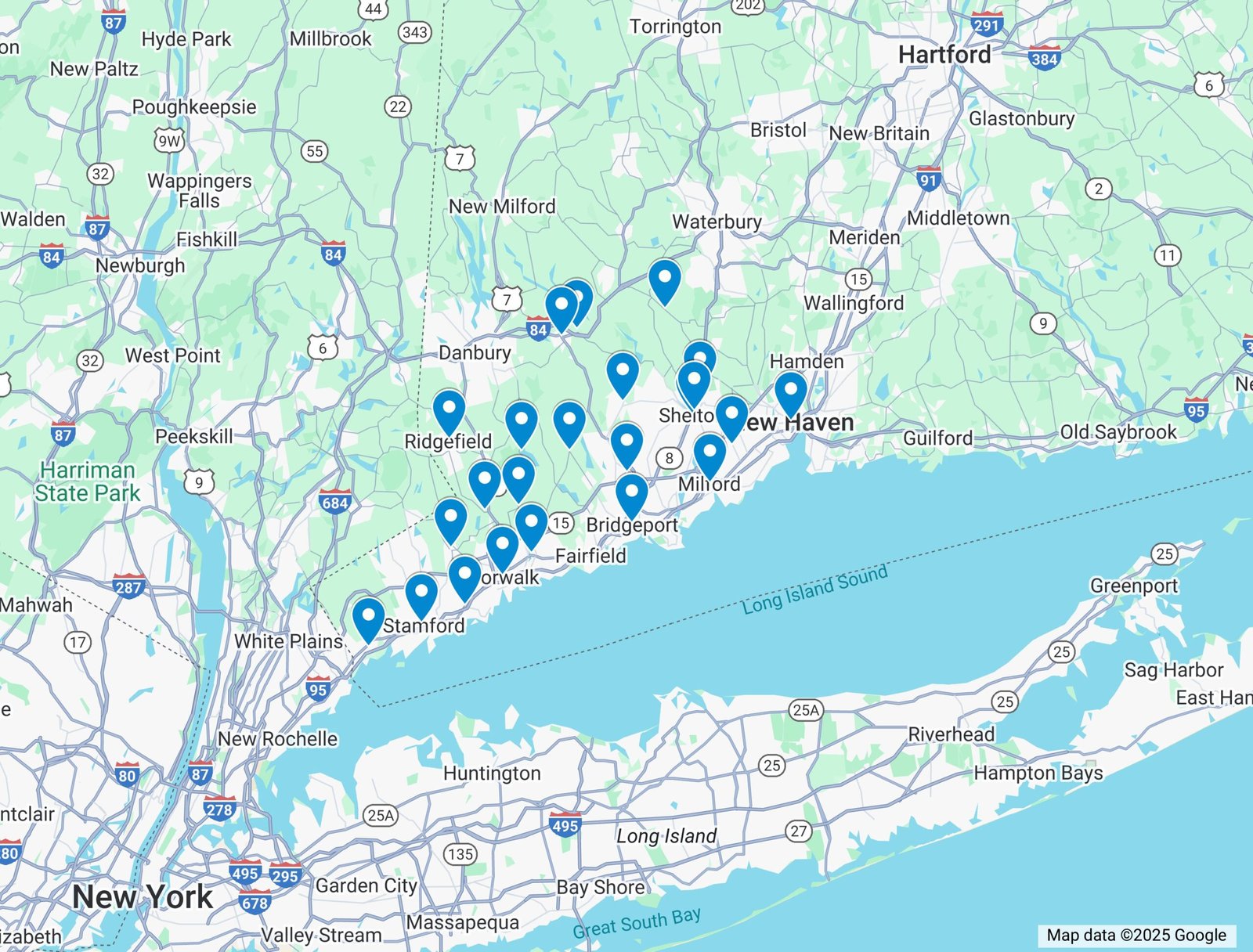
For properties in Fairfield and Westport, a fast on-site estimate is the right starting point. The crew can assess the route, discuss materials and design, and identify site conditions that may affect the project before construction begins.
A well-built walkway does more than connect two points. It gives guests a better welcome, makes daily routines simpler, and adds a finished look that holds up long after the project is complete. Choose a contractor who is ready to prepare the ground properly, communicate clearly, and leave your property looking better than when the work began.