A low excavation price can look great until the crew hits buried ledge, finds soft soil, or leaves the site needing more grading than expected. A detailed excavation estimate checklist helps property owners compare proposals based on the actual work required – not just one attractive number at the bottom of the page. Whether you are preparing for a patio, retaining wall, driveway, drainage repair, addition, or commercial site improvement, a clear estimate protects your budget and keeps the job moving.
Start With a Clear Scope of Work
Excavation is rarely a stand-alone task. It is the groundwork that supports everything built above it, from a level paver patio to a properly draining lawn or a stable retaining wall. Before requesting estimates, identify the result you need: remove and replace a failed driveway base, prepare land for masonry, cut a trench for drainage, clear a building area, or regrade water away from the structure.
A quality estimate should explain the work in plain language. It should state where excavation will occur, how deep the contractor expects to dig, what material will be removed, and what the area will look like when the work is complete. If the quote simply says “excavation” with one lump-sum price, ask for more detail before comparing it to other bids.
For larger projects, measurements matter. The contractor may price by square footage, cubic yards, linear feet, truckloads, or equipment time. The right method depends on the job, but the estimate should make the basis of the price understandable.
Your Excavation Estimate Checklist
Use the following points when reviewing a proposal. You do not need every project to include every item, but you should know which ones apply and who is responsible for them.
- Site access and mobilization: Confirm how equipment will enter and leave the property. Narrow gates, steep driveways, overhead wires, tight side yards, and soft lawns can affect the equipment needed and the time required.
- Utility locating: The estimate should address utility marking before digging begins. Public utility locations are essential, but private lines such as landscape lighting, sprinkler piping, propane lines, septic components, or invisible pet fencing may need separate attention.
- Excavation depth and area: Make sure the proposed depth, width, and boundaries match the planned patio, wall, drainage run, driveway, or building work. A few missing inches of base preparation can create trouble later.
- Soil and material handling: Ask whether excavated soil will stay on site, be spread elsewhere, loaded out, or hauled away. Clean fill, clay, topsoil, rock, roots, asphalt, and concrete all carry different handling and disposal needs.
- Hauling and disposal: Confirm the number of loads included, where material will be disposed of, and whether disposal fees are included. This is one of the most common areas for unexpected excavation costs.
- Base materials and compaction: If the project supports hardscaping or paving, the quote should identify gravel, stone dust, processed aggregate, or other base material, along with placement and compaction.
- Grading and drainage: A finished grade should direct water away from foundations and usable outdoor spaces. Verify whether final grading, swales, drainage pipe, catch basins, or erosion-control measures are included.
- Restoration and cleanup: Heavy equipment can disturb turf, mulch beds, edging, and nearby surfaces. Determine whether the estimate includes restoring disturbed areas, removing debris, sweeping hard surfaces, and leaving the property clean.
This excavation estimate checklist is not about making every quote look identical. It is about making sure you are comparing the same level of preparation, material, and cleanup.
Ask What Happens When Conditions Change
No contractor can see every underground condition before excavation begins. Connecticut properties can have buried stone, ledge, old construction debris, saturated soil, unmarked private lines, or unsuitable fill below the surface. A trustworthy proposal does not pretend these risks do not exist. It explains how they will be handled if they are discovered.
Ask whether the estimate includes an allowance for rock removal, additional hauling, dewatering, or unsuitable soil replacement. If those conditions are excluded, ask how extra work will be approved and priced. Some contractors use hourly equipment rates and trucking rates for unforeseen conditions; others provide a written change order before continuing.
That conversation is not a reason to avoid the project. It is a reason to choose a contractor who communicates clearly. An excavation crew that pauses, explains the condition, and gets approval before expanding the work helps you stay in control of the budget.
Make Sure the Quote Covers the Finished Surface
The excavation itself is only part of a successful site-work project. The finished result matters just as much. A trench must be backfilled correctly. A patio base must be compacted in lifts. A retaining wall area needs proper drainage stone and grading behind the wall. A driveway preparation job needs the right depth and stable aggregate before paving begins.
Ask what “finish grade” means in the proposal. In some cases, it means rough shaping the ground with existing soil. In others, it may include screened topsoil, final raking, seed, sod preparation, or mulch-bed restoration. Neither approach is automatically wrong, but they produce very different results and prices.
For a commercial property, final conditions may also affect access, parking, pedestrian safety, and the appearance of the site during business hours. Discuss work sequencing, traffic flow, staging areas, and cleanup expectations before the equipment arrives.
Compare Capability, Not Just the Bottom Line
The lowest quote may leave out hauling, stone, compaction, restoration, or the equipment required to complete the work efficiently. A slightly higher estimate can be the better value when it includes a clear scope, proper materials, insured operations, dependable scheduling, and the ability to handle connected work without bringing in multiple crews.
Equipment ownership can make a meaningful difference. A contractor with the right excavators, loaders, compactors, and hauling capability can respond faster, manage the work directly, and avoid delays caused by equipment availability. That matters when excavation is the first step before a drainage installation, masonry project, paving job, or landscape upgrade.
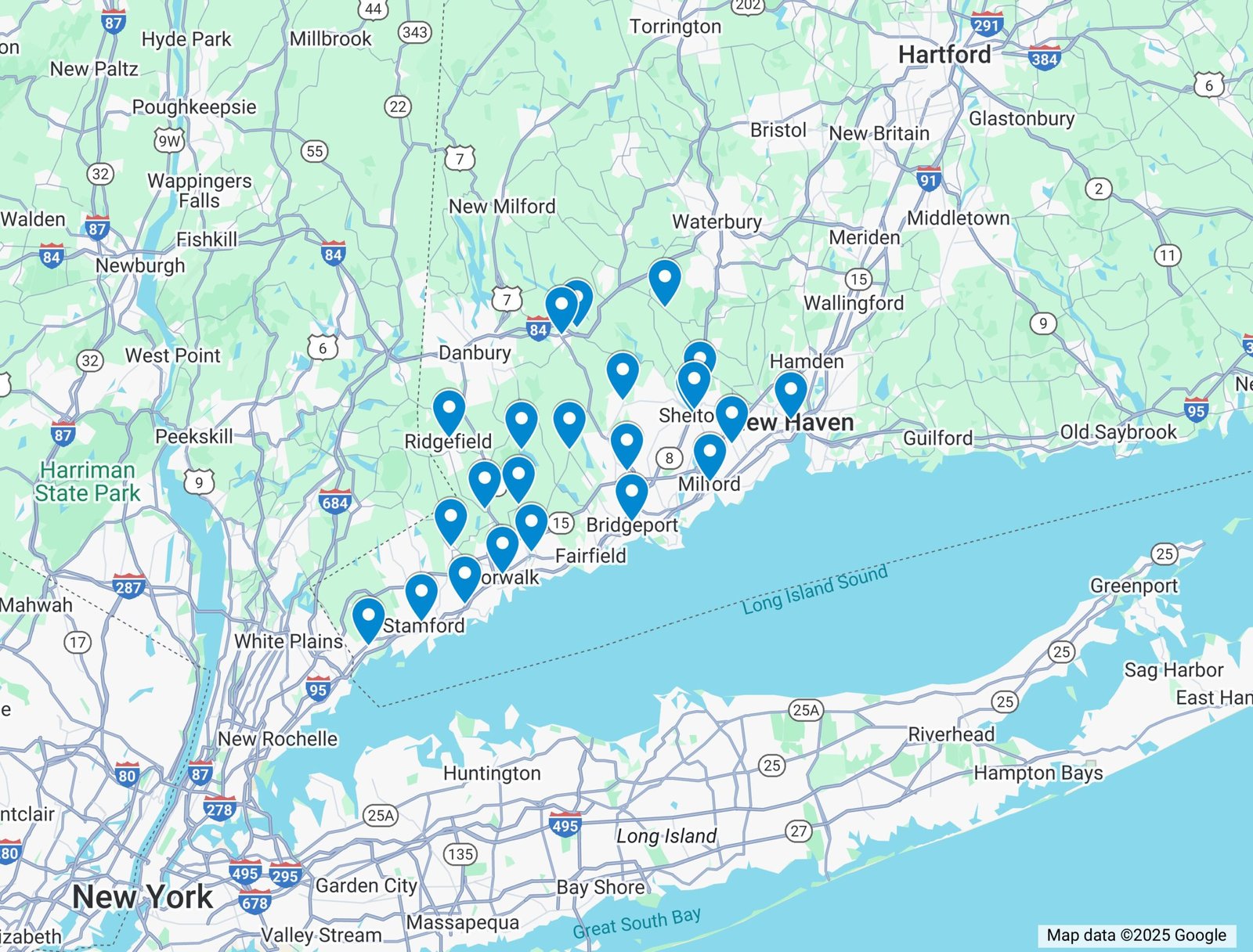
Innovative Landscaping Services LLC brings excavation together with drainage, land clearing, hardscaping, paving, and landscape finishing, helping Fairfield-area property owners avoid the hassle of coordinating separate outdoor contractors. For the customer, that means the crew preparing the ground understands the finished project it needs to support.
Check the Practical Details Before You Sign
Before scheduling work, confirm the expected start window, project duration, payment schedule, insurance coverage, and warranty terms that apply to the service. Ask where equipment and materials will be staged, whether you need to move vehicles or outdoor furniture, and how the crew will protect nearby fences, plantings, utilities, and hard surfaces.
Permits are another item worth clarifying. Some excavation work may require local approvals, especially when it affects drainage, retaining walls, driveways, wetlands, septic systems, or public-right-of-way connections. The contractor should tell you whether permits are needed and whether permit fees or engineering requirements are part of the price.
It also helps to get the final proposal in writing before work begins. A written estimate creates a shared expectation for the scope, price, exclusions, and process for approved changes. That is good business for both the contractor and the customer.
A Better Estimate Leads to a Better Outdoor Project
Good excavation is mostly invisible when the project is done right. You notice it in a patio that stays level, a driveway that holds up, a lawn that drains properly, and a retaining wall that performs through Connecticut weather. Take the time to review the details before the first bucket breaks ground, and you can move forward with a clearer plan and far fewer surprises.