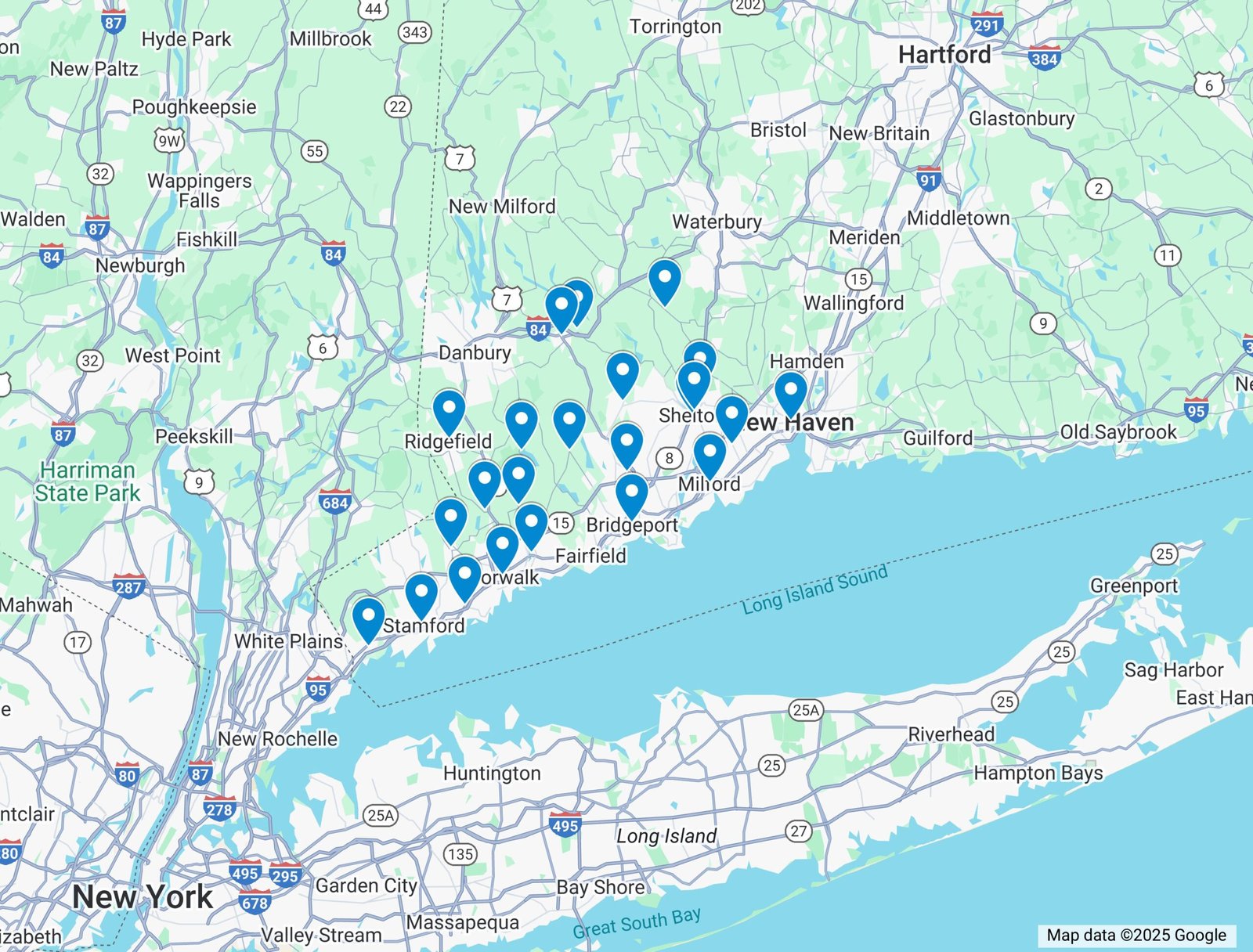
A wet strip along the foundation, a patio that stays slick after rain, or tire ruts filling with water are not small yard annoyances. They are signs that water is moving through your property in the wrong direction. This Fairfield CT site drainage guide explains how to identify the source, choose a practical solution, and protect the outdoor spaces you have invested in.
Start With Where the Water Goes
Drainage work should never begin with a trench alone. The first job is to understand where rainwater lands, how it travels, and where it collects. A problem at the back of the yard may start with a roof gutter at the front of the home. Water flowing across a driveway may actually be coming from a neighboring slope or a clogged catch basin.
Walk the property during a steady rain if it is safe to do so, then take another look a few hours later. Watch for water spilling over gutters, downspouts that empty beside the house, low spots in the lawn, muddy planting beds, and water traveling toward patios, garage doors, or basement walls. Pictures taken after storms can help show a drainage contractor what is happening when the ground is saturated.
In Fairfield, established properties often have mature landscaping, stone walls, paved driveways, and additions that have changed the way water moves. A beautiful new patio or regraded lawn can still have drainage trouble if the surrounding elevations and runoff paths were not considered together.
Signs Your Property Needs Drainage Work
Some drainage failures are obvious. Others build slowly and can cause expensive damage before they are addressed. Standing water that remains for more than a day after normal rainfall deserves attention, especially when it sits against a foundation, fence posts, pavement, or retaining wall.
Look for soil washing out from beneath a walkway, loose pavers, mulch repeatedly floating out of beds, or lawn areas that never dry enough to mow. Inside the property, a damp basement smell, staining on foundation walls, or water near a garage entry can point to an exterior drainage issue. On commercial sites, pooling at entrances, loading areas, parking lots, and pedestrian walkways creates both a maintenance burden and a safety concern.
Not every wet patch calls for a major excavation project. Heavy clay soil, shade, compacted ground, and a single oversized downspout can all create localized problems. The right repair depends on the cause, not just the puddle.
The Most Common Drainage Solutions
A good drainage plan directs water away from structures and high-use areas, then releases it where the property can safely absorb or carry it away. The best method depends on available slope, soil conditions, the amount of runoff, existing utilities, and local site constraints.
Regrading and Swales
When a yard slopes toward a house, garage, or patio, regrading may be the most effective long-term fix. This work reshapes the surface so water moves away from vulnerable areas. A shallow, landscaped channel called a swale can guide runoff across a lawn without making the yard look like a ditch.
Regrading works well when there is enough room to establish a consistent fall. It may be less practical in tight side yards, where fences, driveways, utilities, or neighboring properties limit how much soil can be moved. Drainage crews should also protect existing trees and avoid creating a new water problem farther downhill.
Downspout Extensions and Underground Leaders
Roof runoff concentrates a surprising amount of water in a small area. A short downspout dumping at the foundation can saturate soil beside the house and overload a nearby planting bed. Extending the discharge point is often a straightforward first step.
For a cleaner appearance and more controlled flow, downspouts can connect to buried solid pipe that carries water to a suitable outlet. This approach keeps hoses and extensions out of walkways, but it needs proper pitch, durable connections, and a discharge location that will not undermine a slope or send water toward a neighbor’s property.
French Drains and Curtain Drains
A French drain uses perforated pipe surrounded by drainage stone and wrapped in filter fabric. It collects water moving through saturated soil and redirects it away from the trouble area. These systems are useful along wet lawn edges, beside foundations, near retaining walls, and uphill from patios or driveways.
A curtain drain is installed farther uphill to intercept groundwater before it reaches a structure or usable yard area. Both systems need a clear destination for the collected water. Without positive pitch or a carefully designed discharge point, a drain can become an underground gravel trench that holds water instead of solving the problem.
Catch Basins and Channel Drains
Surface drainage calls for surface collection. Catch basins gather runoff at low points and move it through solid piping. Channel drains, sometimes installed across a driveway, garage entrance, patio edge, or walkway, capture water before it crosses into a building or high-traffic area.
These systems are especially helpful where pavement prevents water from soaking into the ground. They do require maintenance. Leaves, sand, and debris should be removed from grates and basins so the line can keep flowing during the storm when you need it most.
Dry Wells and Controlled Discharge Areas
Where an appropriate outlet is not available, a dry well may allow water to disperse underground. It can be a good option for roof runoff on properties with suitable soils and adequate space away from foundations. Soil that drains slowly may require a different approach, and high seasonal groundwater can limit performance.
A professional site review helps determine whether infiltration is realistic or whether water must be routed to a safer surface outlet. This is one area where guessing can lead to repeat digging and wasted money.
Drainage Must Work With Your Hardscape
Patios, walkways, stone walls, and driveways should be built with water management in mind. Water behind a retaining wall needs drainage stone, filter fabric, and a route to escape. Without that relief, pressure builds in the soil and can shift, crack, or push out a wall over time.
Paved areas also need the right pitch. The goal is not to make a patio or driveway noticeably sloped, but to give water a controlled path away from the house and toward a planned collection or drainage area. When drainage is handled during excavation and base preparation, it is usually cleaner and more cost-effective than tearing up finished hardscape later.
This is where working with one capable outdoor contractor makes a real difference. Excavation, grading, drainage piping, masonry, landscaping, and final restoration all affect one another. Innovative Landscaping Services LLC can coordinate those moving parts with owned equipment and a hands-on crew, so the finished space looks polished and performs the way it should.
Avoid Quick Fixes That Move the Problem
A few bags of topsoil may hide a low spot for a season, but they do not correct a missing outlet, a failed pipe, or a yard pitched toward the house. Likewise, sending a downspout farther across the lawn can simply create erosion or a new puddle if the water has nowhere to go.
Be cautious with drain systems installed without a plan for cleanouts, pipe depth, slope, and discharge. Roots, sediment, and winter freeze-thaw conditions can expose weak installation work quickly. Drainage solutions should also stay clear of utilities and comply with any applicable local requirements, particularly when work affects public drainage, wetlands, or property boundaries.
What to Expect From a Drainage Site Review
A productive estimate starts with a close look at the entire affected area, not just the wettest point. The contractor should review slope, gutters, current drainage features, hardscape elevations, visible erosion, and access for equipment. They may also ask how long the problem has existed and whether it happens during every storm or only after prolonged rain.
From there, the goal is a clear scope that explains what will be installed, where the water will go, and how the yard or pavement will be restored afterward. Ask whether the system includes cleanouts or accessible basins for maintenance, and make sure you understand any limits created by soil, grade, or site access.
A dry, usable yard does more than make mowing easier. It protects your foundation, extends the life of patios and driveways, and lets you relax and enjoy your outdoor space after the rain stops. If water is getting in the way of that, a thoughtful site review is a practical place to start.