A backyard slope can look harmless in July and become a serious property problem after a few hard Connecticut rainstorms. This hillside stabilization example shows how a failing residential grade can be rebuilt into a safer, cleaner, more usable outdoor space without treating the visible erosion as the only issue.
The project begins with a familiar situation: a homeowner has a sloped side or rear yard where rainwater cuts channels through mulch, soil washes onto a patio or driveway, and the bottom of the hill stays soft long after a storm. A few loose stones or a quick load of topsoil may improve the appearance for a season. They will not stop water from moving downhill.
Lasting hillside work controls the water, supports the soil, and finishes the area in a way that belongs with the rest of the property. That takes the right sequence of excavation, drainage, retaining work, grading, and planting.
The Problem Behind a Failing Hillside
In this example, the slope ran from the back of a home toward a lower patio area. The upper grade collected roof runoff and surface water from a neighboring section of lawn. Over time, that water found the same route down the hill. The result was a narrow washout channel, exposed roots, displaced mulch, and muddy runoff reaching the hardscape below.
The homeowner initially considered adding plants and more mulch. Those are valuable finishing materials, but they cannot carry the load of a drainage problem. The slope also lacked a stable base at its bottom. As soil continued to move downhill, the lower edge of the grade began pushing into the patio border.
This is where a professional site assessment matters. The question is not simply, “What will cover this bare slope?” The better question is, “Where is the water coming from, where should it go, and what must hold the soil in place after the water is redirected?”
A crew should also look for signs that the issue is more than surface erosion. Deep cracks in the slope, a leaning wall, saturated soil near the foundation, or a changing grade around utility lines may require additional engineering or coordination before work begins. Not every hillside needs the same solution, and a wall is not automatically the right answer.
Hillside Stabilization Example: Building From the Bottom Up
For this property, the practical solution was a low retaining wall at the toe of the slope, paired with drainage improvements and reshaped grading above it. The wall created a firm edge that kept the hillside from spreading onto the patio. More importantly, it gave the crew a defined structure around which to rebuild the grade correctly.
Work started with excavation. Loose, washed-out material was removed, and the wall area was cut back to firm ground. This stage can look dramatic because the problem has to be opened up before it can be corrected. Proper access and equipment make a difference here, especially when the work area is tight or close to existing hardscape, fencing, or planting beds.
A compacted aggregate base was installed and leveled for the retaining wall. Each course of block or stone was placed carefully, with the wall set back as needed to resist the pressure of the soil behind it. The exact wall height, material, and construction method depend on the slope, soil conditions, drainage plan, and local requirements. A decorative garden wall and a wall that supports a steep grade are not interchangeable.
Behind the wall, the crew placed clean drainage stone and a perforated drain line. The pipe was pitched to a proper outlet away from the patio and foundation area. This detail is often hidden once a project is complete, but it is one of the main reasons a retaining wall performs well. Water trapped behind a wall adds pressure. Relieving that pressure protects the wall, reduces saturation in the slope, and helps prevent repeated soil loss.
The old grade was then rebuilt in layers. Rather than leaving one long, steep run from top to bottom, the slope was softened and shaped to guide water into the new drainage route. In some yards, this can include a shallow swale that directs surface runoff across the property without creating a trip hazard or an ugly ditch. In others, downspout extensions, catch basins, or buried drainage may be needed to keep roof water out of the hillside altogether.
Why Drainage Cannot Be an Afterthought
A retaining wall can hold soil, but it cannot solve water arriving from above. That is why hillside stabilization should begin with drainage decisions, not finish with them.
On this project, roof runoff was redirected before it could pour onto the slope. Surface drainage at the upper grade was adjusted so water flowed toward a planned collection point rather than cutting through the planting bed. The lower drain outlet was positioned where it could discharge safely without sending water toward the home, a neighbor’s property, or a walkway.
The best drainage approach depends on the property. A broad, gradual lawn may only need regrading and a swale. A compact backyard with patios, fencing, and close property lines may call for catch basins and buried piping. If the source is groundwater or a persistently wet hillside, the solution can become more involved. A thorough estimate should account for what is happening below the surface, not just what can be seen after a storm.
Finishing the Slope So It Stays Put
Once the structural work and drainage were complete, the slope needed a finish that resisted erosion while making the yard look cared for. The final surface was covered with stabilized topsoil, then planted with a mix suited to the available sun and moisture conditions. Deep-rooted shrubs, ground covers, and ornamental grasses can help hold soil together better than mulch alone.
Fresh mulch was used lightly around plants, not piled thickly across the entire hill. Heavy mulch on a steep grade can float or wash downhill in a storm, especially before plants establish their root systems. On sharper slopes, erosion-control blanket or matting may be installed temporarily to protect seed and soil while vegetation grows in.
Stone can also be useful, particularly around drainage outlets or where concentrated water enters the slope. But stone should be placed with a purpose. A random layer of decorative rock may hide bare soil without addressing erosion beneath it. When used at a splash area, channel, or wall edge, properly sized stone helps slow water and prevent scour.
The finished yard in this example had a clean retaining wall, a defined planting area, and a patio edge no longer covered in washed soil. More importantly, water had a planned path. The visible improvement was attractive, but the real value was a hillside designed to handle the next storm.
Common Shortcuts That Create Repeat Repairs
Many hillside failures start with work that looks reasonable at first. Adding topsoil over unstable ground, placing a wall without drainage, or laying landscape fabric under a deep blanket of mulch can all delay the problem rather than solve it.
Another common mistake is making the slope too steep during grading. A steep, smooth bank may look tidy on installation day, but it is difficult to mow, hard for plants to establish on, and more vulnerable to runoff. A gentler grade, terraced planting areas, or a properly built retaining wall may cost more upfront, yet can reduce maintenance and repair costs later.
There is also a trade-off between a natural-looking planted slope and a more built-out terrace system. A planted slope can be cost-effective and attractive when the grade is moderate and drainage is under control. Terraces and retaining walls create flatter, usable areas for gardens, seating, or access, but they require more excavation, material, and structural planning. The right choice should reflect how the homeowner wants to use the property, not just the initial price.
When to Schedule a Hillside Evaluation
It is best to address erosion before the slope reaches a patio, driveway, fence, or foundation. Call for an evaluation if you see fresh soil at the bottom of a hill after rain, new ruts in the lawn, exposed roots, standing water, shifting landscape stone, or a retaining wall that has started to lean or bulge.
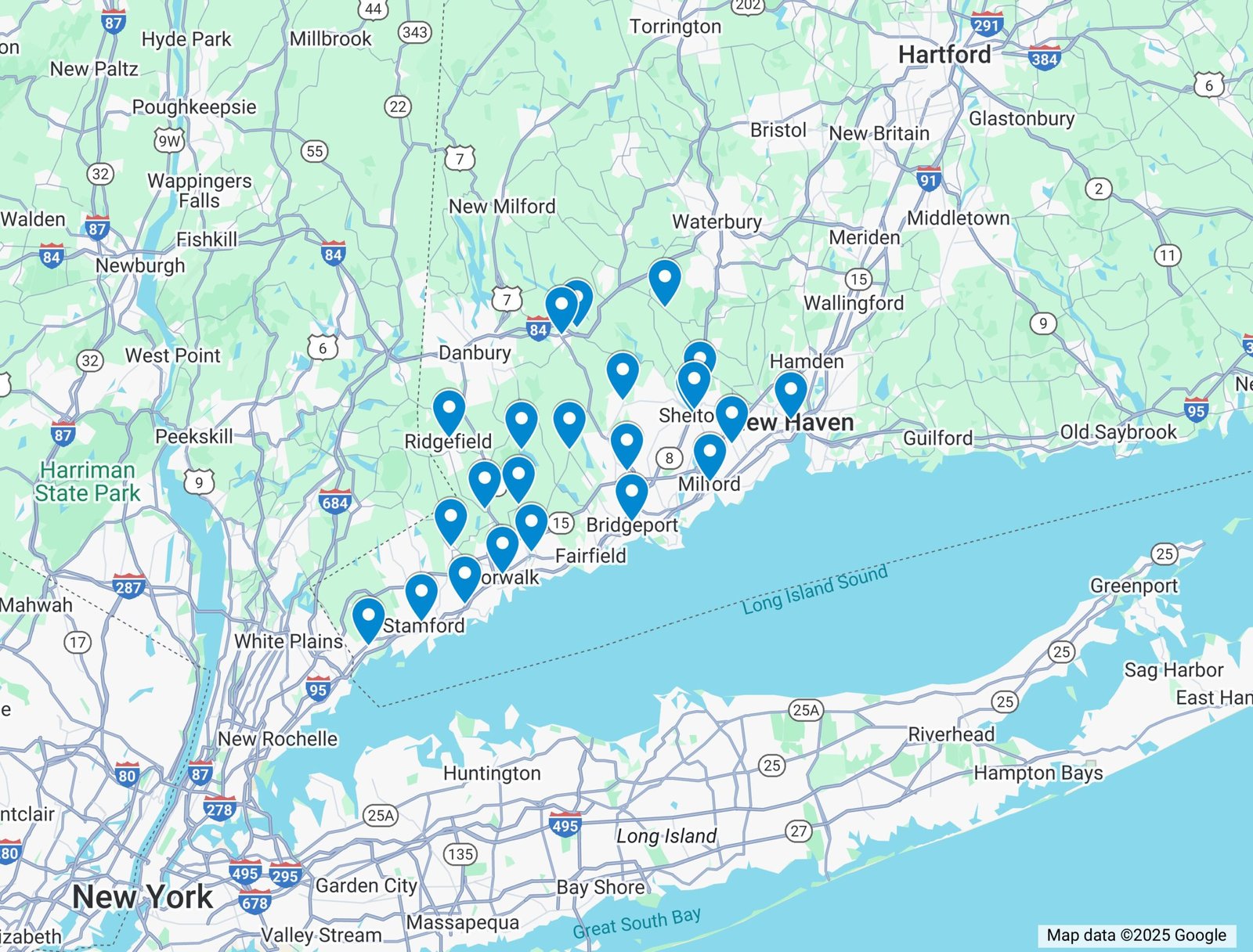
For properties in Fairfield and Westport, seasonal storms, mature landscaping, and closely arranged outdoor features can make a small drainage issue travel quickly. Innovative Landscaping Services LLC can assess the full outdoor picture, from excavation and drainage to retaining walls, grading, and the finished landscape, so the work is coordinated from the ground up.
A stable hillside should not be something you worry about every time the forecast calls for heavy rain. With a plan built around water control and solid site preparation, the same slope that once created a mess can become a durable part of an outdoor space you are proud to enjoy.