A puddle that remains for a day after rain is more than a nuisance. When you are figuring out how to fix standing water, the goal is not simply to dry the surface. You need to move water away from the area safely, without creating a new problem at the foundation, on a neighbor’s property, or across a driveway or walkway.
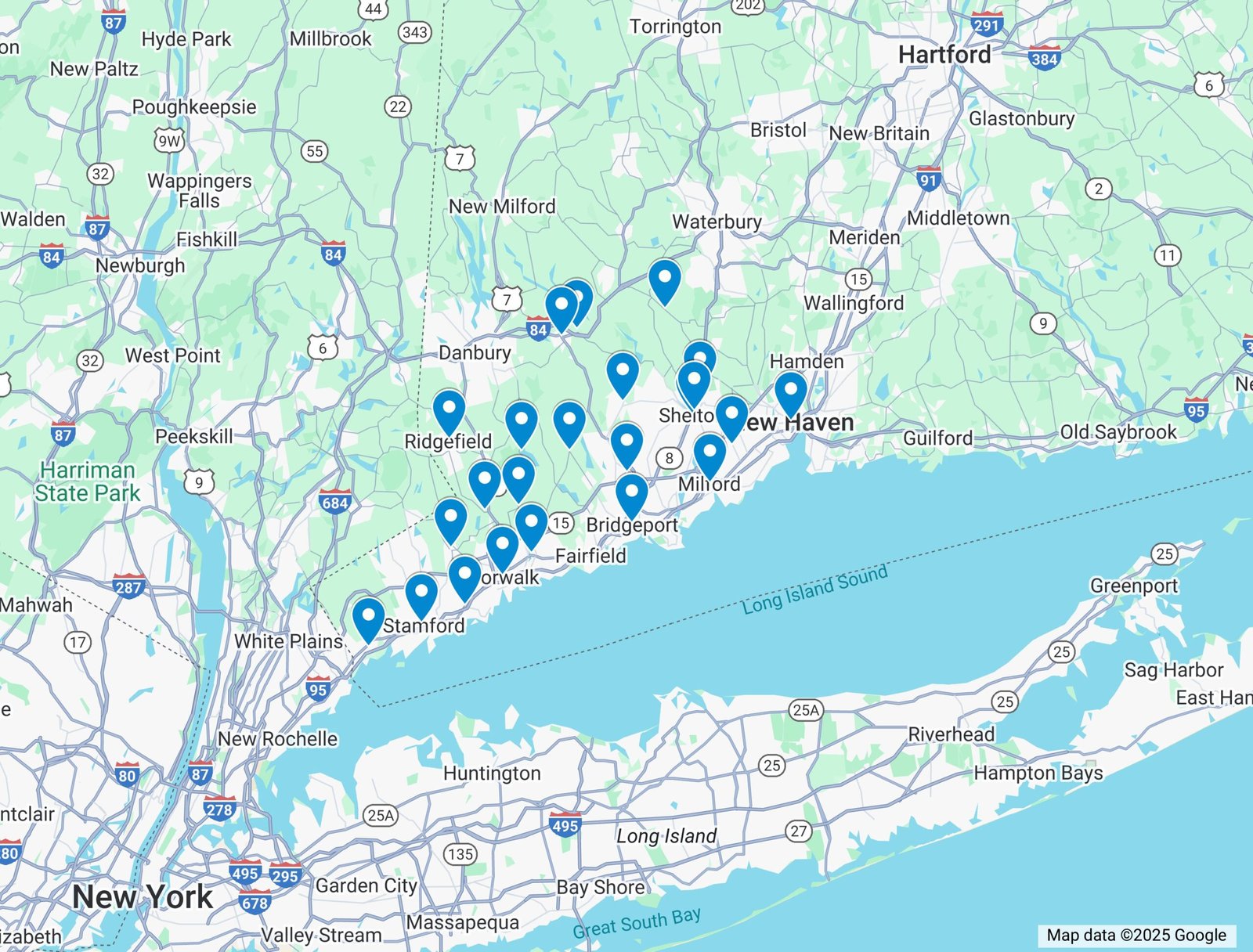
In Fairfield County, heavy storms, compacted soils, mature landscaping, and older drainage layouts can all work against a property. The right fix depends on where the water starts, where it naturally wants to go, and what sits nearby. A small lawn low spot may need a straightforward grading adjustment. Water collecting beside a home or commercial building often calls for a more complete drainage plan.
Start by Finding the Source of the Water
Standing water is a symptom. Before choosing a solution, look at the pattern after a normal rainfall. Is the puddle directly beneath a downspout? Does water collect at the bottom of a slope? Does it appear near a patio, driveway, retaining wall, or building foundation? The answer tells you whether runoff, grading, hardscape drainage, or poor soil absorption is the main issue.
A downspout that empties beside the house can saturate one small area quickly. A lawn that stays wet in the same spot even during dry weather may have compacted soil, a high water table, or an underground drainage issue. If water pools at the edge of a patio, the surface may be pitched incorrectly, or the surrounding grade may have settled over time.
Take note of how long the water remains. A shallow puddle that disappears within several hours after a major storm is different from water that sits for days. Persistent standing water can damage turf, invite mosquitoes, weaken plant roots, create slippery conditions, and contribute to foundation moisture concerns.
Address the Immediate Safety Concerns First
Before starting a permanent repair, keep people and property protected. Avoid using wet areas for parking, especially along a soft lawn or unpaved drive. Heavy vehicles can create deeper ruts and compact already saturated soil. Keep children and pets away from deep puddles near excavation areas, retaining walls, or electrical equipment.
If water is against the foundation, clear leaves, mulch, and debris away from the area so water has a chance to drain. Check that gutters are clear and downspouts are connected. A clogged gutter can send a concentrated sheet of water straight down beside the home, making an existing grading issue look worse.
Do not attempt to solve the problem by cutting a trench toward the street, a neighbor’s lot, or a storm drain without understanding local requirements and the drainage path. Water has to go somewhere, and sending it in the wrong direction can create erosion, ice hazards, property damage, or drainage disputes.
How to Fix Standing Water With Better Grading
For many yards, proper grading is the most effective long-term answer. The ground should generally slope away from a building so rainwater naturally moves away from the foundation. Even a small reverse slope can direct water toward the home and trap it alongside walls, walkways, or patios.
Regrading involves removing or redistributing soil to create a controlled path for runoff. In a lawn, that may mean filling a low area and blending the new grade into the surrounding yard. Near a house, it can mean reshaping the soil around the perimeter while maintaining the right clearance below siding and other exterior materials.
This is not always a simple matter of bringing in topsoil. Soil added in the wrong place can cover vents, trap moisture against the structure, or push water toward another vulnerable area. A finished grade also needs to work with existing features such as fences, garden beds, walkways, septic components, and mature trees.
If a low area is shallow and isolated, regrading and reseeding may be enough. If runoff keeps flowing into that area from a large roof, neighboring slope, or paved surface, grading alone may not handle the volume. In that case, it should be paired with drainage improvements.
Extend Downspouts Away From the Foundation
Downspout discharge is one of the most common and most fixable causes of standing water. Roofs collect a surprising amount of rain, and a short downspout extension can dump all of it into one corner of the yard.
An extension should carry water far enough away from the foundation and release it where it can drain without returning to the building. Above-ground extensions can work in some settings, but they may be visible, vulnerable to damage, and inconvenient where people walk or mow. Buried solid pipe provides a cleaner look and better protection when installed with the correct slope and outlet.
The outlet matters as much as the pipe. Water should discharge into a suitable area, such as a properly designed drainage zone or daylight outlet, rather than onto a walkway, driveway, or the edge of a neighboring property. In winter, poorly placed discharge can also create dangerous ice.
Use a French Drain for Saturated Lawn Areas
A French drain is designed to collect groundwater and runoff below the surface. It typically includes a gravel-filled trench, perforated pipe, filter fabric, and a planned outlet. Water enters through the stone, reaches the pipe, and moves away from the wet area.
This solution is often a strong choice when water gathers along the base of a slope, beside a retaining wall, or in a lawn area that remains muddy long after rain. It can also help intercept water before it reaches a patio or foundation.
French drains are not a cure-all. They need a reliable route for collected water to exit. Installing one without enough slope, proper stone, filter fabric, or an appropriate outlet can lead to a clogged trench that does little more than hold water underground. The depth and placement also need to account for utilities, tree roots, hardscapes, and nearby structures.
Consider Catch Basins for Surface Runoff
When water rushes across a driveway, patio, parking area, or compacted lawn, a catch basin may be more appropriate than a French drain. A catch basin collects surface water through a grate and directs it through solid pipe to a suitable discharge point.
This approach works especially well where a hard surface concentrates runoff. For example, a driveway that slopes toward a garage, a walkway that channels water toward an entry, or a patio that drains toward a planted bed may need surface collection before water can soak in and pool.
The grate needs to sit at the true low point. If it is installed too high, water will continue to collect around it. A professional assessment can identify the actual flow line and determine whether the system needs one basin or several connected collection points.
Repair Patio, Walkway, and Driveway Drainage Problems
Standing water on hardscape surfaces is not just unattractive. It can shorten the life of pavers, loosen joints, stain concrete, encourage algae growth, and create slip hazards. In Connecticut, trapped water can freeze, expand, and worsen cracks or heaving over time.
Sometimes the fix is limited to resetting a few settled pavers or correcting a small section of walkway. Other times, the base beneath the surface has failed, and the area needs to be removed, regraded, compacted, and rebuilt. A drainage channel or catch basin may be needed where the surface cannot be re-pitched enough to move water safely.
Retaining walls deserve special attention. Water behind a wall creates pressure that can cause shifting, cracking, or drainage failure. Properly built walls use drainage stone, perforated pipe, and outlet details to relieve that pressure. If water is pooling behind or in front of a wall, it is worth addressing before the wall shows structural damage.
Improve Soil Carefully When Drainage Is Slow
Compacted clay-heavy soil absorbs water slowly, which is common in many established properties. Core aeration, compost, and appropriate planting can improve a lawn’s ability to accept rainfall over time. These steps are useful for mild drainage issues, especially where the grade is already correct.
They will not solve a significant low spot, a downspout problem, or runoff coming from a large paved area. Adding sand without a broader soil plan can also create a dense, concrete-like mix in clay soils. The best approach depends on whether the problem is infiltration, elevation, or too much concentrated water.
Know When It Is Time to Bring in a Drainage Contractor
Call for a professional evaluation when standing water is close to a building, returns after every storm, affects a driveway or patio, causes erosion, or leaves large areas unusable. The same applies if you see basement moisture, foundation staining, washed-out soil, sinking hardscape, or a retaining wall that is moving.
A dependable contractor should look beyond the puddle itself. The plan should account for grading, roof runoff, drainage pipe routes, outlet locations, excavation needs, and how the repaired area will look once work is finished. For properties in Fairfield and Westport, Innovative Landscaping Services LLC can handle drainage correction alongside excavation, grading, masonry, and landscape restoration, so the work is coordinated from the ground preparation through the final cleanup.
Standing water rarely improves on its own. A clear drainage path, properly shaped ground, and durable installation can turn a soggy problem area back into a lawn, patio, driveway, or commercial exterior you can use with confidence after the next storm.