A gravel driveway can look clean and welcoming on Monday, then show tire ruts, washouts, and loose stone after one hard Connecticut rain. Knowing how to maintain gravel driveways is less about constantly adding more gravel and more about protecting the base, moving water away, and correcting small problems before they become expensive repairs.
A well-built gravel drive should feel firm under tires, drain quickly, and frame the property instead of spreading into the lawn. With regular attention, it can deliver that practical, finished look for years.
How to Maintain Gravel Driveways Without Constant Repairs
The best maintenance routine starts with observation. Walk the driveway after heavy rain, during spring thaw, and after periods of frequent traffic. Those are the moments when drainage failures and weak spots become easy to spot.
Look for standing water, tire tracks that sink deeper than the rest of the drive, stones pushed into grass, exposed fabric, and low areas where puddles keep returning. A little loose gravel on the surface is normal. Deep ruts, soft spots, and recurring washouts are signs that the driveway needs more than a quick rake.
Address issues while they are small. Filling a shallow rut and restoring the surface slope is straightforward. Waiting until water has washed away base material can turn a minor maintenance visit into excavation and rebuilding work.
Keep the Surface Clear
Leaves, dirt, branches, and lawn clippings trap moisture and create a place for weeds to take hold. They also hide developing ruts and low spots. Blow or rake debris off the driveway regularly, especially along the edges and near drainage paths.
Avoid pushing piles of snow, soil, or mulch onto the gravel. These materials mix into the stone, clog drainage, and soften the driving surface over time. If snowplowing is necessary, raise the plow blade slightly or use skid shoes so it does not scrape away gravel with every pass.
Reclaim Gravel That Has Migrated
Vehicle traffic naturally sends stone toward the edges of a driveway. A landscape rake, driveway rake, or box blade can pull that gravel back toward the center. Do this before adding new material whenever possible. Often, the driveway has enough stone – it is simply no longer where it belongs.
Be careful not to rake too aggressively. Digging into the base can bring fine material to the surface or disturb the compacted layers that give the driveway its strength. The goal is to redistribute the top layer, not excavate it.
Drainage Is What Keeps Gravel in Place
Water is the main reason gravel driveways develop potholes, washboarding, and soft sections. If it cannot leave the surface, it works its way through the stone and weakens the foundation underneath.
A properly maintained driveway needs a slight crown, meaning the center sits higher than the edges. That gentle slope directs water toward the sides instead of allowing it to collect in wheel paths. On a long driveway or one built into a slope, swales, drainage ditches, culverts, or catch basins may also be necessary to carry runoff safely away.
Restore the Crown When Ruts Appear
Repeated driving compresses gravel into two tire lanes. Eventually, the center may become lower than the sides, causing water to settle exactly where vehicles travel. This is the beginning of many potholes.
Grading restores the crown by pulling material from the sides and wheel tracks toward the center, then blending it smoothly outward. For a short, mostly level drive, a homeowner may handle light touch-ups with the right equipment. For larger driveways, steep grades, or recurring drainage trouble, professional grading is usually faster and more effective.
Simply dumping stone into ruts without correcting the slope rarely lasts. The new gravel settles into the wet depression, and the rut returns.
Fix Potholes From the Bottom Up
A pothole is not just a missing patch of top gravel. It usually means water has entered the base, traffic has displaced material, or both. Scrape out loose, muddy stone until you reach firm material, reshape the area, add the right aggregate in layers, and compact it before finishing the surface.
If potholes reappear in the same place, investigate the water source. A nearby downspout, a blocked culvert, a failing edge, or runoff from an adjacent slope may be feeding the problem. Treating the drainage issue is what makes the repair hold.
Add the Right Gravel at the Right Time
Every gravel driveway eventually needs new material, but more gravel is not automatically the answer. Adding stone over a poorly graded, muddy, or compacted surface can raise the driveway without improving its performance.
For most driveways, crushed aggregate with fines is a practical base and surface material because the smaller particles help lock larger stone together. Decorative round stone can look attractive, but it shifts more easily under tires and may not be the best choice for a main driving surface. The right size and blend depend on the driveway’s base, traffic level, slope, and desired appearance.
A thin top-up is often enough when the driveway remains stable but looks sparse. If large areas are soft, deeply rutted, or contaminated with soil, the drive may need regrading and a more substantial layer of fresh aggregate. Compaction matters just as much as material depth. Gravel that is placed and left loose will move quickly.
Control Weeds Before They Take Over
Weeds are more than a cosmetic issue. Their roots can hold moisture, collect soil between stones, and gradually turn crisp gravel into a patchy, uneven surface.
Pull isolated weeds before they seed. For more widespread growth, use a driveway-appropriate treatment according to its label directions and keep it away from desirable plants, drainage areas, and water. Once weeds are removed, rake out the loose organic buildup where they were growing.
If weeds return year after year across the entire driveway, the surface may be accumulating too much dirt and decomposed material. That can be a sign the top layer needs to be refreshed or the driveway needs a more thorough restoration.
Follow a Seasonal Maintenance Routine
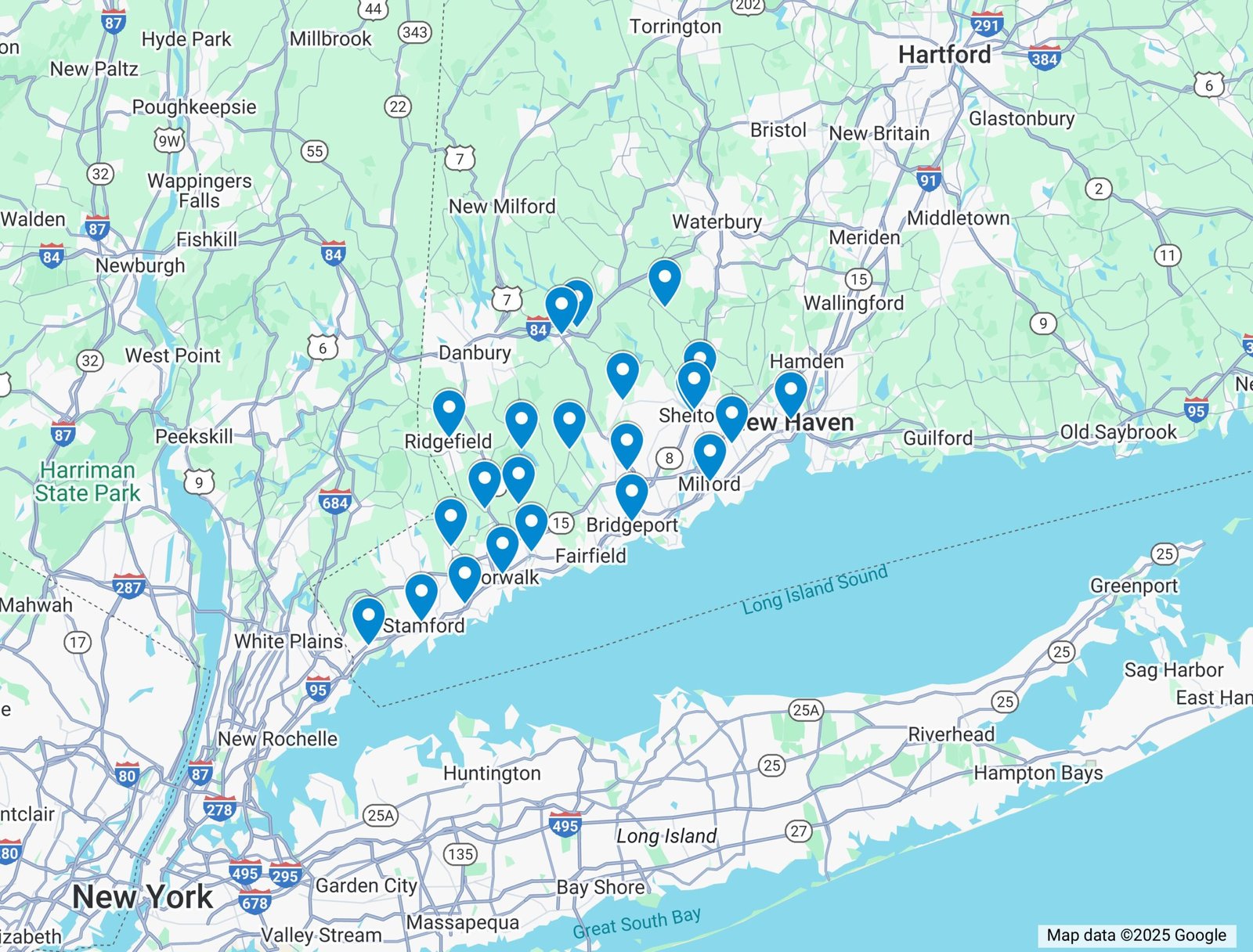
Gravel maintenance works best when it follows the weather rather than a rigid calendar. In Fairfield County, winter freeze-thaw cycles and spring rain can expose weaknesses quickly. A few timely checks prevent surprises when the ground softens.
- Spring: Inspect for plow damage, potholes, washouts, blocked drainage, and low spots left by snowmelt.
- Summer: Rake migrated stone back into place, remove weeds, and correct light ruts before dry conditions make them harder to reshape.
- Fall: Clear leaves and debris, confirm swales and culverts are open, and repair drainage issues before winter weather arrives.
- Winter: Plow carefully, keep heavy snow piles away from critical drainage paths, and avoid driving repeatedly through thawing soft areas.
Commercial properties may need more frequent checks because delivery vehicles, customer traffic, and snow removal equipment put greater stress on the surface. Maintaining a clean, firm drive also helps protect curb appeal and reduce trip hazards near parking areas and entrances.
Know When a Driveway Needs Professional Help
Routine raking and occasional gravel replenishment are reasonable for a stable driveway. It is time to bring in an experienced excavation or landscaping crew when water consistently stands on the surface, the driveway sinks along one edge, potholes keep returning, or the stone disappears into mud.
Those conditions may point to a failed base, poor grading, insufficient drainage, or a culvert problem. A proper repair may involve removing compromised material, rebuilding the base, installing drainage, regrading the drive, and compacting new aggregate. That approach costs more than a surface patch, but it prevents the cycle of repeatedly buying gravel for the same failing section.
Innovative Landscaping Services LLC can assess both the appearance and the underlying site conditions, then handle grading, drainage, excavation, and gravel restoration as one coordinated project. That means less time coordinating separate trades and a clearer path to a driveway that performs as well as it looks.
A gravel driveway should not demand constant attention to stay presentable. Keep water moving, restore the surface before ruts deepen, and use the right material when replacement is needed. With that practical approach, the drive remains firm, tidy, and ready for every season.