A beautiful yard has to do more than look good for one season. The landscaping trends homeowners and property managers are choosing now put everyday function first: dry lawns after heavy rain, patios built for real use, defined spaces that are easier to maintain, and materials that stand up to Connecticut weather. The strongest outdoor improvements do not chase a short-lived look. They make a property more comfortable, more dependable, and more enjoyable from spring through winter.
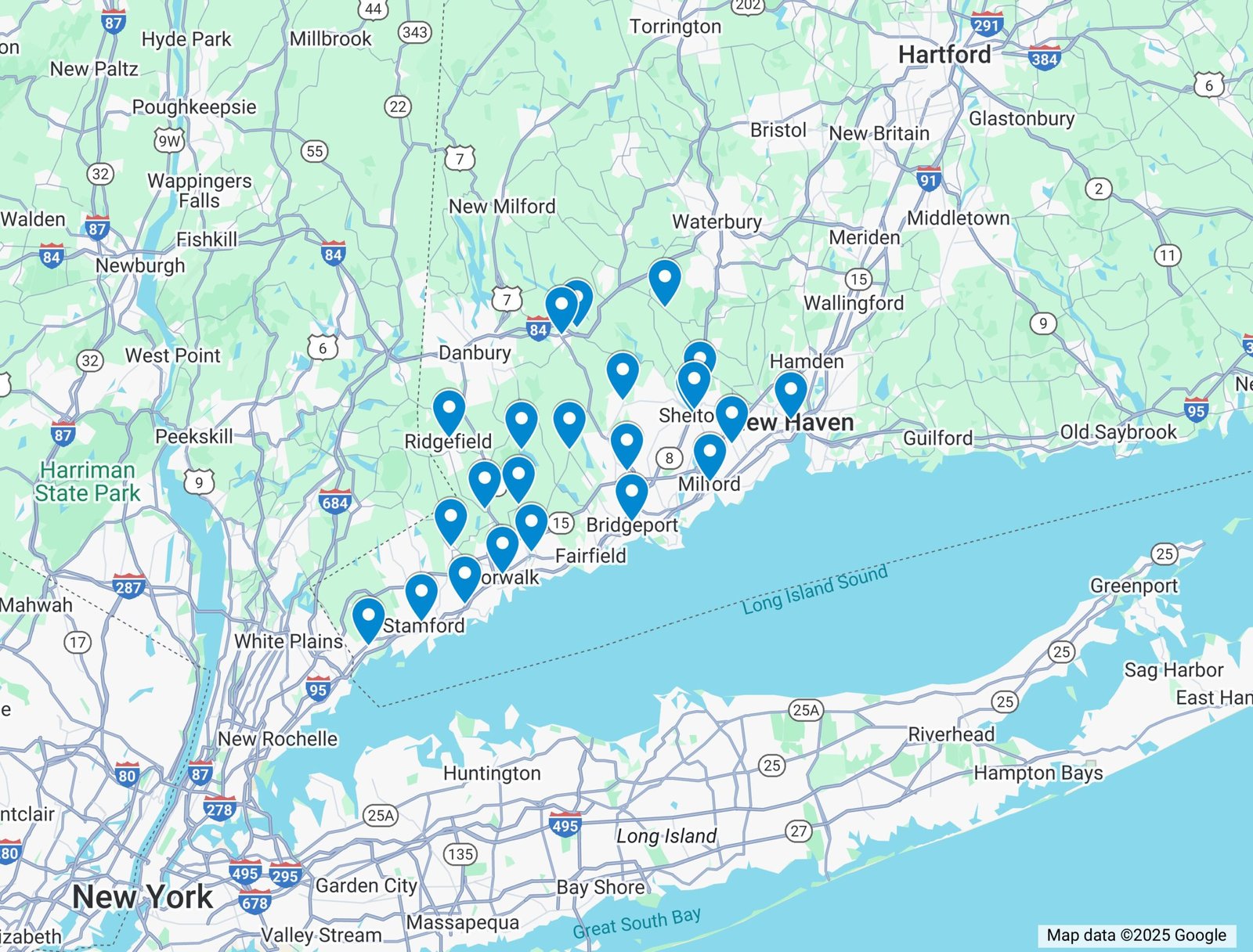
For properties in Fairfield and Westport, the right project often starts below the surface. Grade changes, drainage, soil conditions, mature trees, and existing hardscape all affect what will perform well. Here are the outdoor trends worth considering when you want results that last.
Landscaping Trends Focused on Usable Space
Patios that function as outdoor rooms
Homeowners are putting more purpose into every section of the backyard. Instead of a small concrete pad and scattered furniture, a properly planned patio can become a true outdoor room for meals, weekends with friends, quiet mornings, or family time around a fire.
Natural stone, pavers, and masonry patios remain popular because they bring a finished look while providing the durability a high-traffic area needs. The best material depends on the home, the intended use, and the site itself. Natural stone offers character and a classic Connecticut feel, while pavers can provide clean lines and easier repair if access is ever needed below the surface.
Size matters here. A patio should fit how people actually gather, not just what fits in an empty corner. Space for chairs, circulation, cooking, and doors that swing open can quickly change the right layout. Careful excavation and a solid base are what keep that investment level and stable over time.
Outdoor kitchens built around real routines
An outdoor kitchen is no longer reserved for oversized estates. A well-designed grill station, prep counter, seating wall, or stone veneer feature can make outdoor cooking easier without taking over the entire yard.
The practical trend is to build only what will be used. For one household, that may mean a durable grill surround with storage and counter space. For another, it may include a larger cooking area near the patio and pool. Utilities, drainage, access, and safe clearances all need attention before masonry begins. Planning those details early helps prevent costly changes later.
Fire features with a permanent place in the yard
Fire pits and fireplaces continue to be a smart way to extend the season. They create a natural gathering point in the backyard and give patios a purpose after the temperature drops. A built-in masonry fire pit feels more intentional than a portable unit and can be shaped to match retaining walls, walkways, or the home’s exterior stonework.
Placement is the key trade-off. A fire feature needs enough room for seating and safe circulation, but it should not block a primary walkway or sit too close to landscaping that needs regular care. The right location makes it feel like it has always belonged there.
Drainage Is Becoming a Design Priority
Some of the most valuable landscaping upgrades are not immediately visible. Connecticut’s heavy rain, freeze-thaw cycles, slopes, and compacted soil can send water toward foundations, patios, driveways, and low spots in the lawn. Property owners are increasingly addressing water management as part of a larger outdoor improvement instead of waiting for standing water or erosion to become a serious problem.
Grading, drainage swales, catch basins, drainage piping, and properly placed retaining walls can move water where it needs to go. The right solution depends on the property. A wet lawn may need a different approach than runoff that collects near a garage, undermines a walkway, or pushes against a foundation.
This is why a surface-level fix is not always enough. Adding topsoil or planting around a soggy area may improve its appearance for a while, but it will not solve a grading issue below it. A site evaluation can identify the source of the problem and connect excavation, drainage, and landscape restoration into one organized project.
Retaining Walls That Add Structure and Value
Retaining walls are gaining attention because they do two jobs at once. They control grade changes and create usable, level areas where a sloped yard once limited options. A professionally built wall can make room for a patio, planting bed, walkway, lawn area, or safer access around the property.
The trend is moving away from walls that look purely functional. Stone retaining walls, matching caps, integrated steps, and built-in seating can give elevation changes a polished appearance. Still, appearance should come after proper construction. Base preparation, drainage behind the wall, materials, and wall height all affect long-term performance.
For commercial properties, retaining walls can also protect parking areas, improve site access, and make landscaped spaces easier to maintain. The finished work should look clean, but it also needs to handle water and soil pressure year after year.
Lower-Maintenance Planting With Clear Definition
Many property owners want less time spent correcting overgrown beds and more time enjoying a neat exterior. That does not mean every landscape needs to be stripped down. It means choosing planting areas with a clear purpose, clean edging, and enough room for mature growth.
Defined beds along walkways, fences, patios, and building foundations make a property look organized while simplifying maintenance. Mulch, stone, or ground cover can help limit weeds and reduce erosion, depending on sunlight, slope, and drainage. Plant selections should match the site rather than fight it. A plant that needs constant watering in a dry, sunny area is rarely a low-maintenance choice.
For businesses and multifamily properties, this approach supports a consistently professional appearance. Clean edges, trimmed shrubs, healthy turf, and maintained entrances tell visitors that the property is cared for before they walk through the door.
Hardscape Materials With Texture and Contrast
Uniform gray concrete has its place, especially where a simple, durable surface is needed. But many current projects use texture and contrast to create a more finished outdoor setting. Natural stone walkways, mixed paver patterns, stone veneer, and masonry borders can add character without making a property feel overly busy.
The best combinations usually stay connected to the home. A traditional property may suit irregular bluestone and fieldstone walls, while a more contemporary exterior may call for large-format pavers, clean retaining wall blocks, and crisp linear edges. Color should also work with the home’s siding, trim, roof, and existing driveway.
There is a maintenance consideration with every choice. Light-colored materials can show stains more easily. Highly textured stone may collect debris. Some surfaces need occasional cleaning and sealing to keep their appearance. Choosing a material that fits both the style of the property and the level of upkeep you want is the better long-term decision.
Privacy, Boundaries, and Better Access
Fencing is being treated as part of the overall landscape plan rather than an afterthought. The right fence can improve privacy around patios and pools, define a backyard, secure a commercial perimeter, and create a more finished edge along a property line.
Wood, vinyl, aluminum, and chain-link fencing each serve different needs. A homeowner focused on privacy may prefer a solid-panel option, while a business may need durable perimeter security with controlled gate access. Before installation, it is worth considering the grade, drainage paths, local requirements, and where maintenance equipment needs to pass through.
Walkways and steps deserve the same attention. Safe, clear access to entrances, patios, sheds, and parking areas improves how a property works every day. A new path can also protect lawn areas from repeated foot traffic and muddy shortcuts.
Choose Trends That Solve a Real Property Need
The best landscaping trends are not about copying a photo. They are about making the property easier to use, easier to maintain, and better prepared for the weather it sees every year. A fire pit may be the right next step for one home, while another property needs drainage correction before any finishing work begins.
That is where an end-to-end outdoor contractor makes a difference. Innovative Landscaping Services LLC can handle the excavation, drainage, masonry, landscaping, paving, and finishing work in one coordinated plan, so you are not left managing several crews and competing schedules.
Start with the area that causes the most frustration, whether it is a wet lawn, an unused slope, a cracked patio, or an exterior that needs a cleaner, more welcoming look. A clear plan and a solid foundation turn a trend into an improvement you will appreciate every time you step outside.