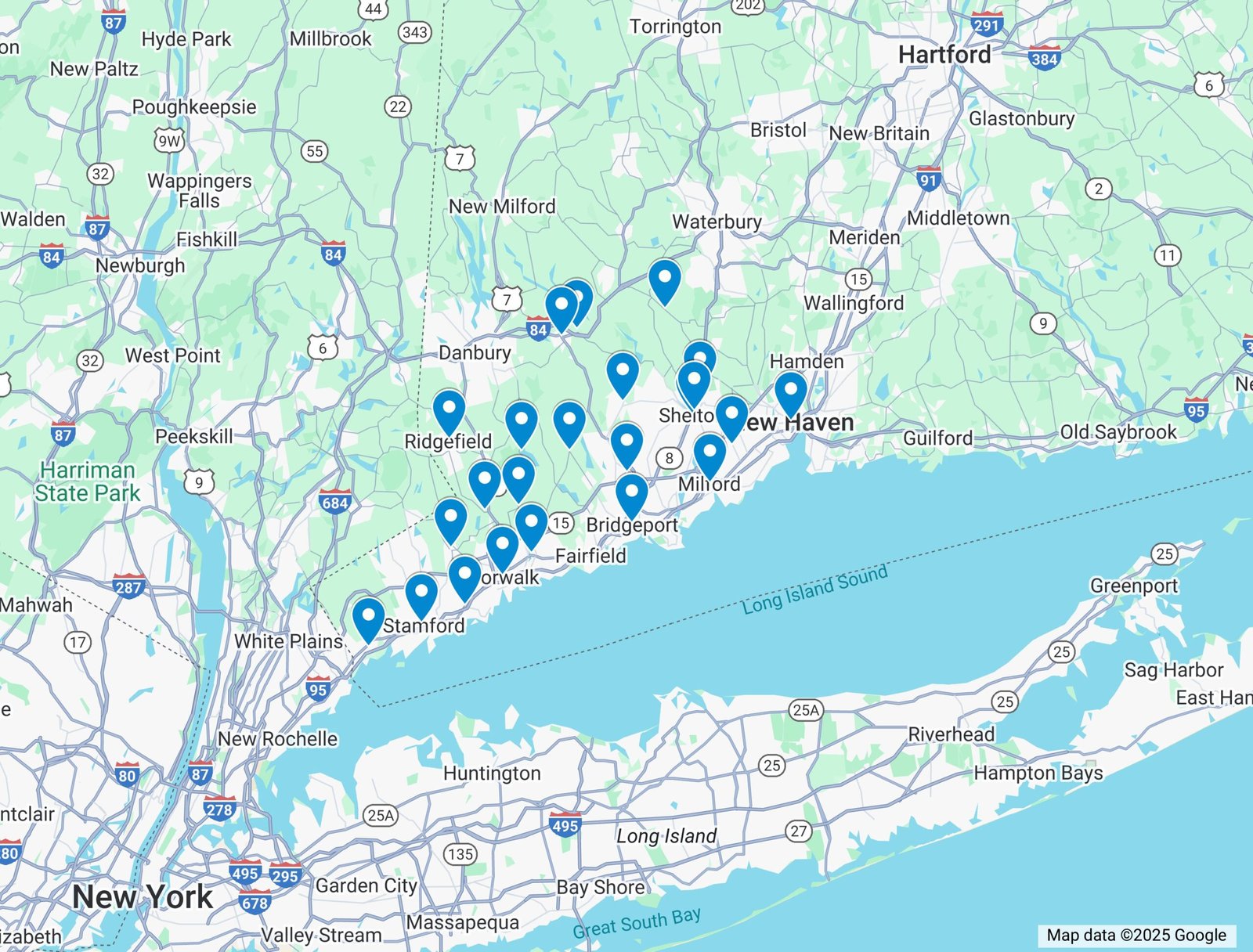
A lawn can look thin, tired, or patchy even when it is being watered and cut regularly. Often, the problem sits below the surface. Lawn aeration timing determines whether opening up compacted soil gives your grass the boost it needs or puts it under more stress. For Connecticut properties, the best window depends on your grass type, soil conditions, foot traffic, and what else is planned for the yard.
Aeration is not just a way to poke holes in turf. A core aerator removes small plugs of soil and thatch, creating room for air, water, nutrients, and roots to move through the ground. Done at the right time, it helps a lawn fill in, recover from summer wear, and stand up better to weeds and dry spells. Done at the wrong time, it can leave grass struggling when it should be resting or dealing with heat.
Lawn Aeration Timing: Fall Is Usually Best
Most lawns in Fairfield and Westport are cool-season lawns, commonly made up of Kentucky bluegrass, perennial ryegrass, fine fescue, or tall fescue. These grasses grow most actively during the cooler stretches of spring and fall. Of those two seasons, early fall is usually the better choice for core aeration.
The ideal period is generally from late August through October, when daytime heat has eased but grass still has several weeks to establish roots before winter. Soil is often moist enough for the aerator to pull clean plugs, and cool-season grass can recover quickly. Fall aeration also creates a strong opportunity for overseeding, which helps thicken sparse turf after a demanding summer.
This timing matters because grass seedlings need time to root before hard freezes arrive. Aerating and seeding too late in the fall may leave new grass too young to handle winter conditions. On the other hand, scheduling the work during the hottest part of summer can expose stressed turf to more pressure from heat, drought, and weeds.
For a typical residential lawn, September is often a dependable target. A property with significant shade, heavy clay soil, poor drainage, or high foot traffic may benefit from a more tailored schedule. Commercial lawns near entrances, walkways, and parking areas also tend to compact faster and may need closer attention.
Spring Aeration Can Work, With Trade-Offs
Spring is a practical second choice when fall scheduling is not possible. Aerating in April or May can loosen soil after winter, improve water movement, and support green-up. It can be particularly helpful where snowmelt, wet conditions, or repeated equipment traffic have packed down the ground.
The trade-off is weed pressure. Aeration opens bare areas in the turf, and spring is when many weed seeds are ready to take advantage. If you plan to apply a pre-emergent weed control product, talk through the schedule before overseeding. Many pre-emergents can prevent desirable grass seed from germinating as well.
Spring aeration is best handled after the soil has dried enough to avoid rutting and smearing. Aerating saturated ground does not create clean channels. Instead, the machine can compact the soil around each opening and leave a rough finish. Waiting for properly moist, workable conditions leads to better results.
Signs Your Lawn Is Ready for Aeration
A calendar is useful, but your lawn will often tell you when compaction is becoming a problem. Grass that thins out in busy areas, puddles after moderate rain, or feels hard underfoot may need help below the surface. A simple screwdriver test is another clue: if it is difficult to push a screwdriver several inches into moist soil, compaction may be limiting root growth.
Watch for these common signs, especially after a wet season or a summer of heavy use:
- Water runs off the lawn instead of soaking in.
- Grass looks stressed despite regular watering and fertilizing.
- Bare spots appear along driveways, fences, patios, play areas, or walkways.
- The lawn develops a spongy feel from excessive thatch.
- Soil is dense, clay-heavy, or repeatedly driven over by equipment.
Not every lawn needs annual aeration. A healthy lawn with loose soil, limited traffic, and strong turf density may only need it every two or three years. Lawns with compacted clay, active children and pets, frequent gatherings, or regular service vehicles may benefit from annual work.
Prepare the Lawn Before the Crew Arrives
A little preparation helps the aeration process go faster and protects irrigation lines, cable runs, sprinkler heads, and low landscape lighting. Mow the lawn a day or two before service, but do not scalp it. Shorter grass makes it easier for the aerator to contact the soil and allows the plugs to settle back into the turf.
Water the lawn lightly one or two days ahead if conditions have been dry. The goal is moist soil, not mud. If rain has already softened the ground, additional watering may not be needed. Mark any hidden obstacles, including sprinkler heads, valve boxes, shallow utility lines, drain covers, and landscape features near the lawn edge.
If the lawn has a thick thatch layer, dethatching may be appropriate before aeration. Thatch is the layer of dead stems, roots, and organic material that builds up between green grass and soil. A thin layer can be normal, but heavy thatch blocks water and nutrients from reaching the roots. The right order depends on the lawn condition, so it is worth assessing the site rather than automatically adding every service.
Core Aeration Is Different From Spike Aeration
Homeowners sometimes use spike shoes or a rolling tool with solid tines. These methods create holes, but they do not remove soil. In compacted ground, forcing solid spikes into the lawn can press surrounding soil tighter.
Core aeration removes plugs, relieving pressure and creating real space for roots. It is the more effective option for established lawns dealing with compaction, drainage concerns, and thin growth. The small plugs left on the surface are normal. They break down naturally with rain, mowing, and foot traffic, returning soil and nutrients to the lawn.
Pair Aeration With Overseeding for a Thicker Lawn
The best lawn aeration timing often overlaps with the best overseeding window. After core aeration, seed has better contact with exposed soil and more protection from wind and runoff. Fall overseeding is especially useful for lawns that have thin sections, pet damage, summer stress, or areas worn down by activity.
Choose seed suited to the site. A sunny open lawn may benefit from a different blend than a shaded yard beneath mature trees. This is one reason a quick property assessment matters. More seed is not always better, and a mismatched grass type can create uneven color, texture, and performance.
After overseeding, keep the seedbed consistently moist until germination and early root development. Avoid heavy traffic while new grass is establishing. Mow only when the seedlings are tall enough, using a sharp blade and a gentle mowing height. Patience during those first few weeks makes a visible difference later.
Aeration can also be paired with a soil test and a properly selected fertilizer application. Guessing at nutrients can waste money and create unnecessary runoff. A soil test identifies whether the lawn actually needs lime, nitrogen, phosphorus, potassium, or organic amendments.
Consider Drainage Before Repeating Lawn Repairs
If one section of the lawn stays wet long after rain, aeration may improve surface infiltration but will not always solve the underlying issue. Compacted soil is one cause of standing water, but poor grading, downspout discharge, damaged drainage lines, and low areas can all create persistent wet spots.
The same is true for recurring bare patches near a patio, driveway, or retaining wall. The lawn may be dealing with redirected runoff, shade, salt exposure, or a construction-related soil issue. Repeatedly aerating and reseeding without addressing the cause can become an expensive cycle.
For properties where turf problems overlap with drainage, irrigation, grading, hardscape work, or site access, a coordinated plan saves time. Innovative Landscaping Services LLC can assess the lawn in the context of the full property, then schedule the right work in the right order instead of treating each problem as separate.
Schedule Around Weather and Lawn Use
Avoid aerating during a drought, heat wave, or immediately before a major event that will bring heavy foot traffic onto the lawn. Core aeration temporarily leaves the surface a little uneven, and newly seeded areas need protection. If you are planning a backyard gathering, fence installation, patio project, or other landscape work, schedule aeration after the heavy work is complete whenever possible.
Weather can shift the exact date, especially in Connecticut. A wet September may delay access to softer lawns, while an early dry spell may call for a little irrigation before service. The goal is not to force a fixed date. It is to work within the season when grass has the best chance to recover.
A well-timed aeration service is a practical reset for compacted turf. Plan it when your grass is ready to grow, give it the follow-up care it needs, and your lawn will have a stronger foundation for the seasons ahead. When you are ready to improve thin grass, hard soil, or worn high-traffic areas, request a fast estimate and get the timing right from the start.