A parking lot makes a statement long before a customer reaches the front door. Potholes, standing water, crumbling edges, faded striping, and uneven pavement can make an otherwise well-kept property feel neglected. Parking lot restoration gives commercial owners and property managers a practical way to repair those problems, improve safety, and protect the value of a major property asset.
The right restoration plan is not always a full replacement. Some lots need targeted repairs and a fresh surface treatment. Others have drainage or base failures that require excavation before new pavement can last. A professional assessment helps separate cosmetic wear from deeper damage, so you can spend where it counts and avoid paying twice for the same work.
What Parking Lot Restoration Should Fix
A restored lot should do more than look darker and cleaner for a few months. It should address the conditions that shorten pavement life in the first place. Water is usually the biggest concern. When runoff sits on asphalt or enters cracks, it can weaken the base below, create freeze-thaw damage, and turn a small surface issue into a pothole.
Traffic patterns matter too. Delivery vehicles, dumpsters, frequent turning movements, and heavy parking loads can wear down certain areas faster than the rest of the lot. Entrances, loading zones, catch basin areas, and the edges of pavement often need more attention than open parking spaces.
A well-planned project can correct cracked or failed asphalt, patch potholes, rebuild unstable sections, improve drainage flow, restore curbs or borders, and refresh striping where needed. The goal is a surface that works better for drivers, pedestrians, employees, and tenants while presenting a cleaner, more professional exterior.
Start With the Condition Below the Surface
Not every crack means the entire parking lot has failed. Thin, isolated cracks may respond well to cleaning, crack filling, and sealcoating. A few contained potholes may only need proper patching. Those repairs can be cost-effective when the pavement base remains stable and water is moving away as it should.
Widespread alligator cracking, recurring potholes, soft spots, and pavement that sinks near drains are different problems. They often point to a failed base, poor compaction, or drainage trouble below the asphalt. Covering those conditions with a thin overlay may improve the appearance briefly, but the movement underneath can quickly show through the new surface.
This is where having one outdoor contractor matters. Excavation, grading, drainage work, paving, and surrounding landscape details affect one another. Instead of treating pavement as an isolated surface, the work should account for how water enters, travels through, and leaves the property.
Drainage Is Part of the Pavement Plan
In Connecticut, rain, snowmelt, and winter freeze-thaw cycles put steady pressure on paved surfaces. If a lot slopes toward a building, holds water near a curb, or has catch basins that sit too high or too low, the problem needs attention before final paving work begins.
Depending on the site, restoration may include regrading problem areas, repairing drainage lines, resetting catch basins, improving swales, or rebuilding pavement sections where water has compromised the base. These steps are less visible than a fresh asphalt surface, but they are often what make the finished project last.
Choosing Between Repairs, an Overlay, and Replacement
The best scope depends on the age of the lot, the condition of the base, the drainage setup, and the expected vehicle load. There is no one-size-fits-all answer, and a lower upfront price is not always the lower long-term cost.
Targeted repairs make sense when damage is limited. Damaged asphalt is removed, the base is corrected if necessary, and new material is installed and compacted. This approach is useful for potholes, utility cuts, damaged edges, and isolated failed areas. It preserves sound pavement and focuses the budget on the sections that need work.
An asphalt overlay can be a strong option when the existing pavement is structurally stable but worn, rough, or heavily cracked at the surface. Before an overlay, failed areas still need to be repaired, cracks need appropriate treatment, and transitions at curbs, doors, drains, and sidewalks need careful planning. An overlay should never be used as a shortcut over ongoing drainage or base problems.
Full removal and replacement is the larger investment, but it may be the right choice for a lot with widespread failure, serious drainage issues, or years of patch-on-patch repairs. Rebuilding the base provides the opportunity to correct grades, improve compaction, and create a clean foundation for long-term performance. For heavily used commercial sites, that can be the most dependable path forward.
A Restoration Project Should Keep Your Property Usable
For business owners and property managers, the challenge is not only completing the work correctly. It is keeping disruption manageable. A thoughtful plan divides the property into workable sections when possible, protects access routes, and schedules more disruptive phases around business operations.
Before work starts, the crew should identify entrances, emergency access, deliveries, pedestrian routes, drainage structures, curbs, landscaping, and areas where equipment will operate. Clear communication helps tenants, employees, and customers know where to park and what to expect.
Owned equipment can make a real difference here. A contractor with the right excavation and site-work equipment can respond more efficiently, maintain better control over the work, and avoid unnecessary delays caused by coordinating multiple crews. That is especially valuable when a project includes paving repairs along with drainage, grading, masonry, or landscape restoration.
Do Not Forget the Finishing Details
Once major pavement work is complete, the details shape how the property looks and functions every day. Fresh line striping organizes traffic and parking. Clearly marked pedestrian areas improve safety. Clean curbs, repaired borders, and properly adjusted drainage structures create a finished look that supports the investment in the asphalt itself.
Nearby landscape areas deserve attention as well. Excavation and paving can disturb lawn edges, mulch beds, stone borders, or fencing. Restoring those elements prevents a new parking surface from looking disconnected from the rest of the property. The best results come from treating the whole exterior as one project, not a string of unrelated repairs.
How to Protect a Restored Parking Lot
Restoration is a major step, but routine care extends the life of the work. Regular inspections help catch small cracks, clogged drainage points, and edge damage before they grow. Cleaning oil leaks and debris, keeping catch basins clear, and repairing surface damage promptly are practical habits that protect the pavement.
Sealcoating may also be appropriate for asphalt that is in good structural condition. It helps renew the surface and provides added protection from weather and traffic, but it is maintenance, not a fix for failed pavement. If the asphalt is breaking apart or the base is unstable, repair work should come first.
Property managers should also watch for changes after major storms or winter weather. New ponding, heaving, cracks near drains, and areas that feel soft under traffic can signal that water is affecting the base. Addressing the cause early is far less disruptive than waiting for a large failure.
Get a Clear Scope Before Work Begins
A useful estimate should explain what is being repaired, how damaged material will be handled, whether base work is included, and how drainage concerns will be addressed. It should also clarify the project sequence, access plan, and finishing work so there are no surprises once equipment arrives.
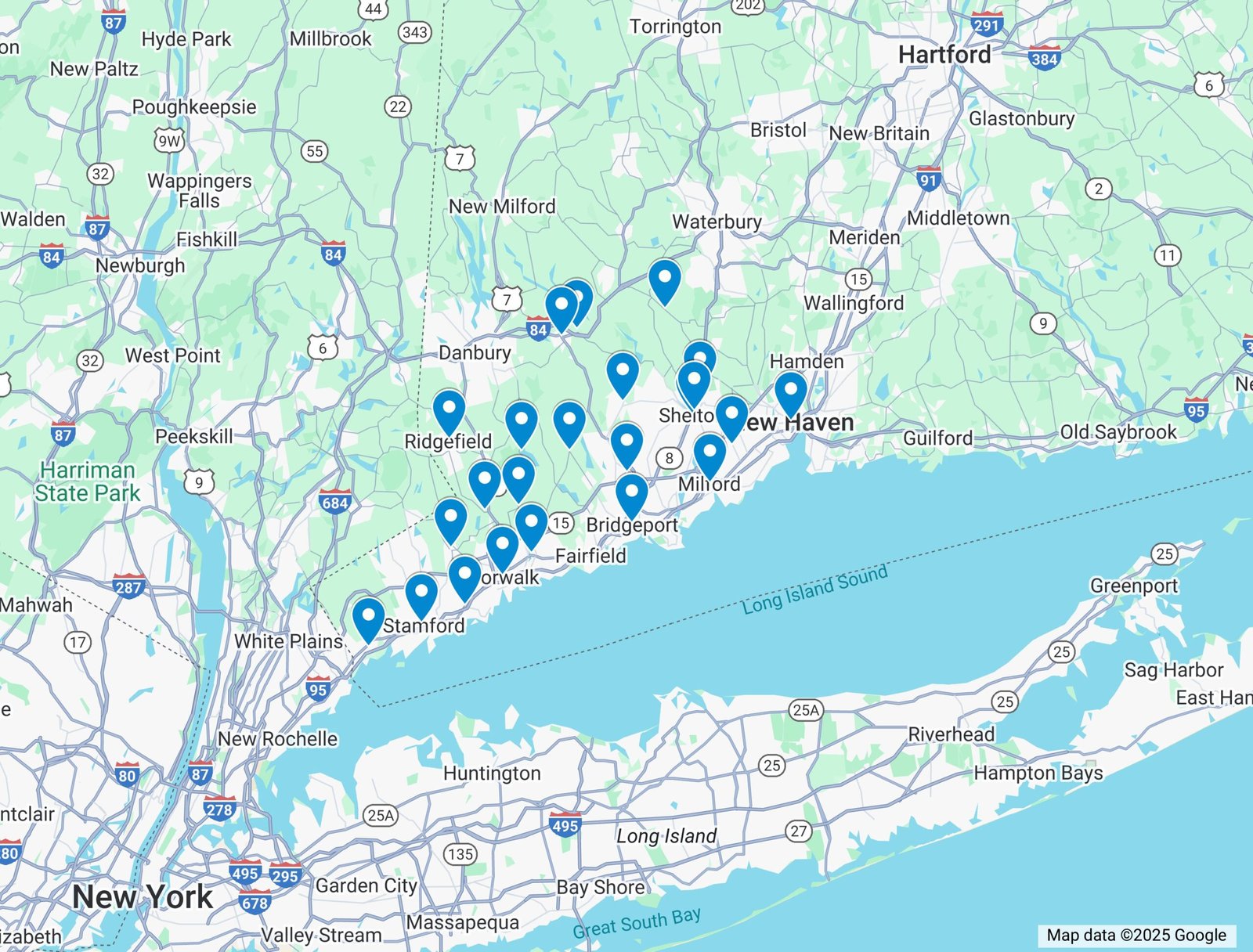
Innovative Landscaping Services LLC helps property owners bring excavation, drainage, paving-related site work, and exterior finishing details under one dependable local team. For commercial properties in Fairfield and Westport, that means less time coordinating separate trades and more confidence that the work is being handled from the ground up.
Your parking lot does not need to become an emergency repair story. A timely assessment and a clear restoration plan can turn a worn, unsafe surface into an entrance that looks professional, drains properly, and is ready for the traffic your property depends on.