Water does not have to spill over a retaining wall to cause trouble. It can build up quietly behind the wall after heavy rain, snowmelt, or routine irrigation, adding pressure that pushes on every block, stone, and joint. So, when should retaining walls drain? In most cases, any wall that holds back soil needs a planned way for water to escape instead of collecting behind it.
A retaining wall is more than a landscape feature. It is a structural element supporting soil at a different grade. The right drainage system helps it stay straight, protect the surrounding yard, and keep patios, walkways, and planting areas looking finished for years.
When Should Retaining Walls Drain?
Retaining walls should drain whenever they retain soil that can become saturated. That includes walls along sloped yards, raised patios, driveways, garden terraces, parking areas, and building-side landscape beds. Rainwater naturally moves through soil, and water from downspouts, irrigation, and uphill runoff can make the area behind a wall even wetter.
The taller the wall, the greater the concern. A short decorative border may not need the same drainage assembly as a wall supporting several feet of soil, but even low walls can shift or stain when water has nowhere to go. The wall material also matters. Segmental block walls, mortared stone walls, poured concrete walls, and timber walls each need details suited to their construction.
For property owners, the practical answer is simple: drainage should be part of the wall installation from the start, not an afterthought once a wall begins leaning. Proper excavation, base preparation, grading, and drainage work together. Leaving out one part can shorten the life of an otherwise attractive hardscape project.
Why Water Behind a Wall Creates Problems
Soil gets much heavier when it is saturated. As that wet soil presses against the back of a retaining wall, it creates hydrostatic pressure. This is one of the most common reasons walls bow, crack, settle, or fail.
Water also carries fine soil particles. Without the right aggregate and filter fabric, those particles can wash into drainage stone or pipe, clogging the system over time. In Connecticut, freeze-thaw cycles add another concern. Water trapped in soil can freeze, expand, and put added stress on a wall during winter.
The damage is not always dramatic at first. You may notice a section of wall beginning to tilt, a gap opening between blocks, washed-out soil at the base, or muddy water appearing where it should not. Those early signs deserve attention before the repair becomes a full rebuild.
Warning Signs Your Existing Wall Has Drainage Trouble
A wall that drains properly should not hold standing water behind it or show ongoing signs of soil movement. Watch for these issues, especially after a long rain:
- A wall that leans, bows outward, or has separated blocks or stones
- Cracks in mortar, concrete, nearby paving, or adjacent steps
- Soil washing out from behind or underneath the wall
- Persistent wet spots, puddles, or erosion at the wall base
- White mineral staining, dark moisture marks, or water seeping through the wall face
- Downspouts or lawn drainage directing water toward the retained area
One of these signs does not automatically mean the entire wall has failed. A minor grading correction or redirected downspout may solve the problem. But visible movement usually calls for a professional evaluation of the wall, footing, soil conditions, and drainage path.
What Proper Retaining Wall Drainage Includes
Drainage is not simply drilling a hole or placing a pipe behind a wall. It is a system designed to collect water, keep soil from clogging that system, and move water to an appropriate outlet.
Behind most retaining walls, installers use clean, free-draining stone rather than compacted native soil directly against the back of the wall. This drainage stone gives water an easier path downward. A perforated drain pipe, often called a footing drain, can collect that water at the wall base and carry it away.
Filter fabric is often used to separate native soil from the drainage stone. The goal is to allow water through while reducing the amount of sediment that migrates into the aggregate and pipe. The final grade above the wall should also slope appropriately, so surface water is directed away rather than funneled behind the structure.
For certain mortared masonry or concrete retaining walls, weep holes may be part of the plan. These openings let water exit through the wall face. They are useful in the right application, but they are not a replacement for good drainage stone, proper pipe placement, and controlled grading behind the wall.
The Drainage Outlet Matters
A drain pipe is only useful if it has somewhere safe to discharge. Depending on the site, the outlet may connect to a properly designed drainage area, daylight on a suitable slope, or tie into an approved system. Water should never be discharged where it will undermine the wall, flood a neighbor’s property, create an icy walkway, or damage a foundation.
This is where a site-specific plan makes a difference. A yard with a gradual slope and open drainage area may be straightforward. A tight property with patios, fences, driveways, utilities, and nearby homes needs more careful excavation and routing. The best solution protects the wall without creating a new water problem elsewhere.
Situations That Need Extra Attention
Some retaining walls are more vulnerable to drainage problems than others. Walls at the bottom of a hill can receive large amounts of uphill runoff. Walls near roof downspouts may be exposed to concentrated water during storms. Walls around driveways and parking areas can collect runoff that carries sediment and puts pressure on the base.
Irrigation is another overlooked factor. A well-watered garden bed above a wall can keep the retained soil damp for long periods, even during dry weather. If the wall supports a patio, pool area, or outdoor kitchen, proper drainage becomes even more valuable because repairing a failed wall may require removing finished hardscape above it.
Commercial sites deserve the same attention. Retaining walls near entrances, loading areas, parking lots, or landscaped medians need to manage water while maintaining a safe, professional appearance. Standing water, eroded mulch, and shifting wall sections can quickly affect curb appeal and maintenance costs.
Can a Retaining Wall Be Repaired Without Rebuilding It?
Sometimes, yes. If a wall is stable and the issue is mainly surface runoff, a contractor may improve grading, extend downspouts, add a swale, or install drainage that reduces water reaching the wall. Clearing blocked weep holes or restoring an accessible outlet can also help in certain situations.
But a wall that has noticeably bowed, rotated, cracked through its structure, or settled unevenly may need partial or complete reconstruction. Simply covering a leaning wall with new stone or adding more soil behind it will not correct the pressure causing the movement. The wall may need to be carefully dismantled, excavated, rebuilt on a prepared base, and fitted with new drainage materials.
A hands-on contractor can evaluate the full picture, including drainage, grading, excavation access, masonry condition, and the finished landscape around the wall. That approach avoids the frustration of hiring separate crews to diagnose water, repair the structure, and restore the yard afterward.
Plan Drainage Before the Wall Goes In
The most cost-effective time to address drainage is before the retaining wall is built. Once the wall is complete, the drainage stone and pipe are hidden behind soil and hardscape. Adding them later can mean excavation, removal of landscaping, and disruption to patios or walkways.
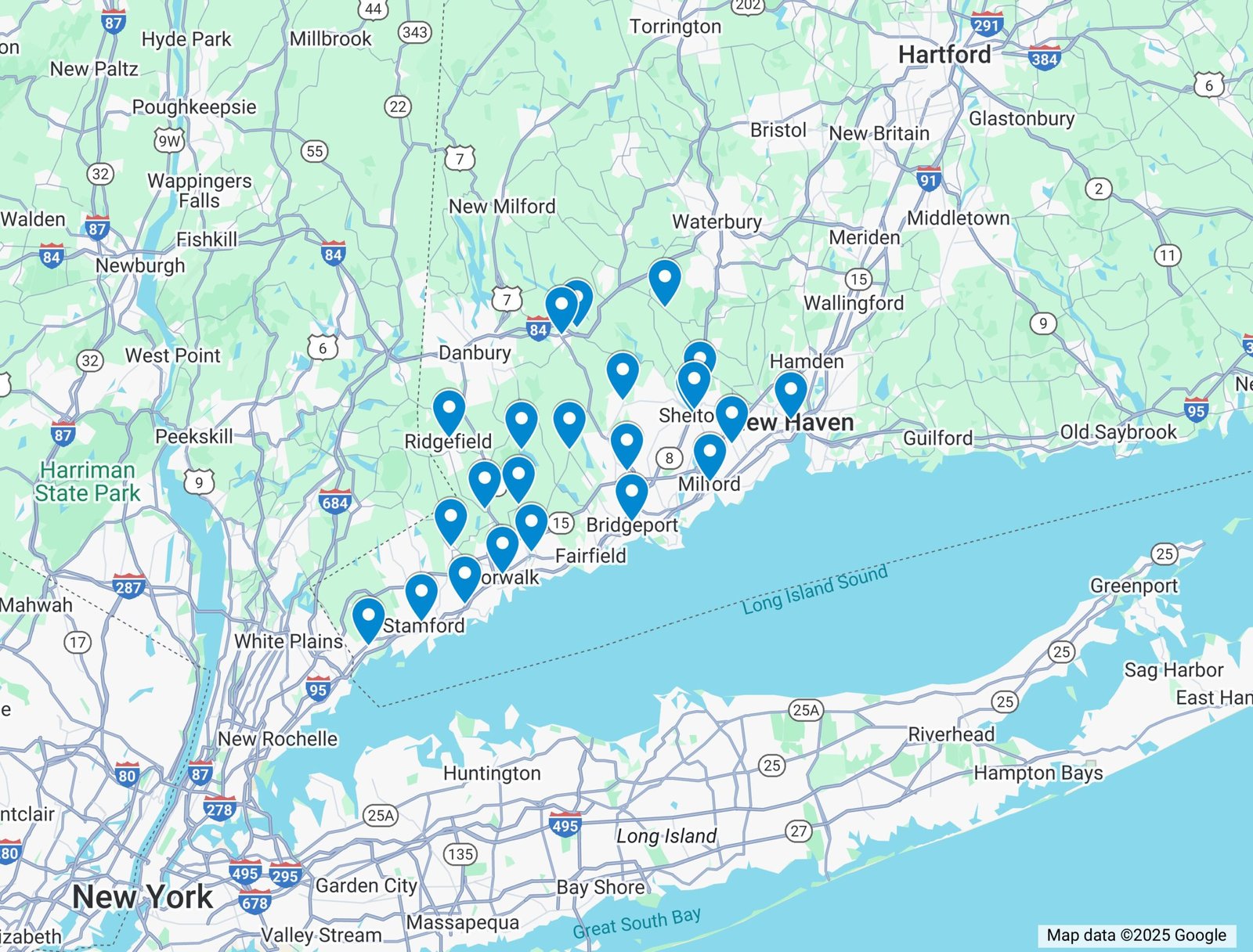
For homeowners in Fairfield and Westport, seasonal rain and winter weather make thoughtful site preparation especially worthwhile. A well-built retaining wall should look clean and complement the property, but its real strength comes from what is installed below grade and behind the finished face.
Innovative Landscaping Services LLC can help property owners plan retaining walls with excavation, drainage, masonry, and landscape restoration handled as one coordinated project. A clear estimate and a site-specific plan make it easier to move forward with confidence.
If water is collecting behind a wall, do not wait for a visible lean to tell you there is a problem. Addressing drainage early gives your outdoor space the best chance to stay safe, attractive, and ready to enjoy through every season.