A masonry contractor does far more than place stone or lay brick. The right crew can turn a muddy side yard into a usable walkway, give a sloped property the support it needs, or create a patio where family and friends actually want to gather. The difference comes down to the work beneath the finished surface: proper excavation, drainage, grading, base preparation, and careful installation.
For homeowners and commercial property owners, masonry is one of the most visible ways to improve an exterior. It can add curb appeal, define traffic flow, solve practical site problems, and make outdoor areas feel complete. But because masonry work is built to last, it pays to choose a contractor with the equipment, experience, and site-work knowledge to do the whole job correctly.
What a Masonry Contractor Builds and Improves
Masonry can be structural, decorative, or both. A retaining wall may hold back soil on a sloped yard while also creating a clean planting area. A stone patio gives a backyard a finished outdoor living space, but it also creates a level, stable surface that is easier to use and maintain than grass or bare soil.
Common masonry projects include patios, walkways, stone walls, retaining walls, steps, veneers, stucco finishes, outdoor kitchens, fire pits, and entry features. Each project has its own requirements, but they all need a stable foundation and a plan for water.
A walkway, for example, should guide people safely from a driveway to a front door without settling, rocking, or collecting puddles. A patio needs the right pitch so rainwater moves away from the home. A retaining wall needs proper base preparation and drainage behind it, especially in Connecticut where freeze-thaw cycles can expose weak installation work quickly.
The finished stone is what people notice first. The excavation, compacted base, drainage material, and edge restraint are what help it stay attractive year after year.
Patios and Outdoor Living Areas
A well-built patio changes how a property gets used. It can create room for a dining set, lounge furniture, a grill, or a fire feature without requiring a major home addition. Natural stone, pavers, and other masonry materials offer different looks, price points, and maintenance needs.
Natural stone delivers character and a premium appearance, with variation that makes each installation feel distinct. Pavers offer design flexibility and can be easier to repair if a small area needs adjustment later. The best option depends on the desired look, how the space will be used, site conditions, and the overall project budget.
Walls, Steps, and Grade Changes
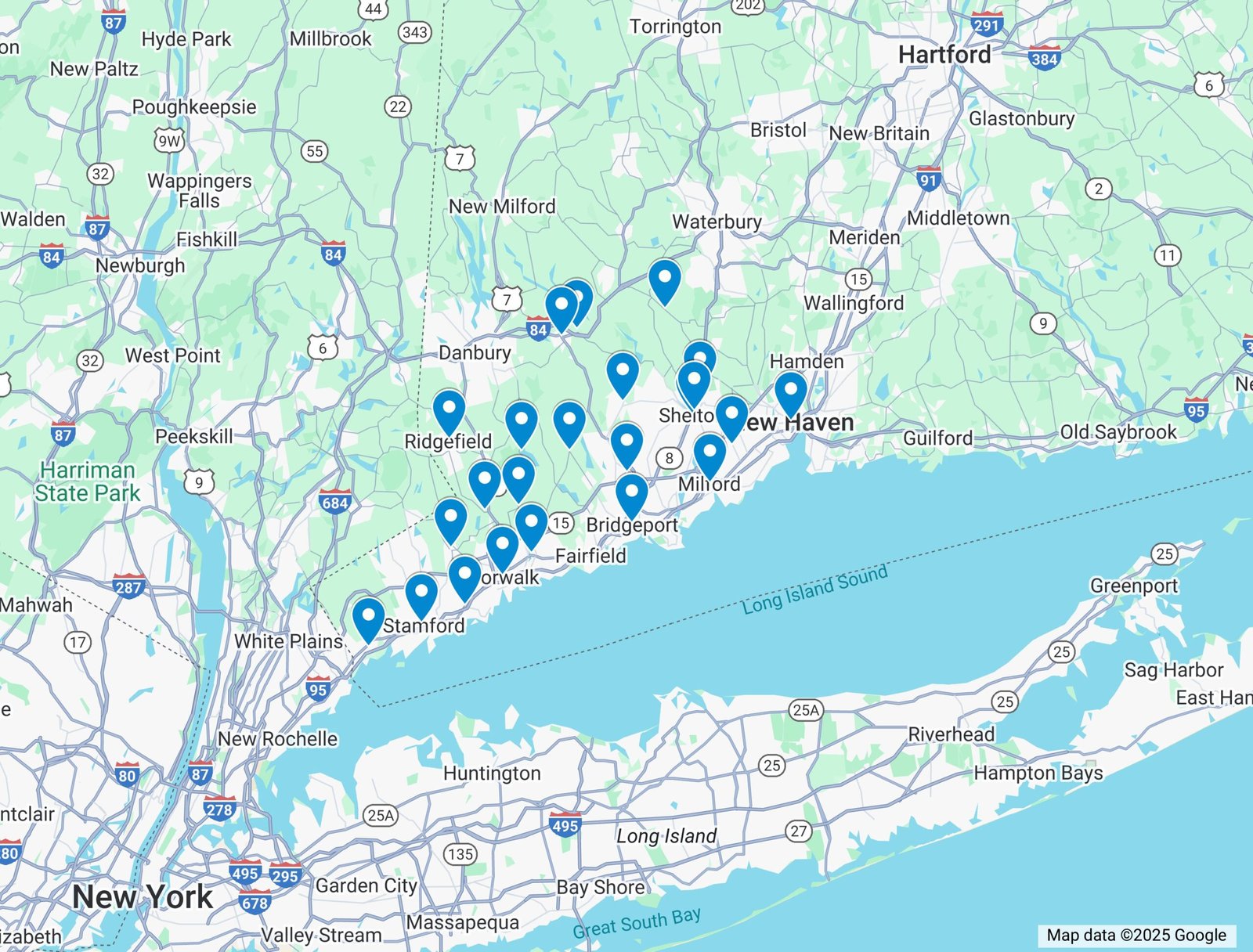
Many Fairfield County properties have slopes, uneven ground, or transitions between a driveway, lawn, and entrance. Those changes in elevation need more than a quick surface fix. Retaining walls, stone steps, and landings can make a property safer, easier to navigate, and more polished.
A wall that is primarily decorative may have a simpler build than one holding back significant soil. When a wall has to manage real pressure from earth and water, the construction details matter even more. Proper drainage prevents water from building up behind the wall, while a well-prepared base helps prevent shifting and settling.
Why Site Preparation Matters Before Masonry Begins
Masonry work is often judged by the finished surface, but the preparation determines whether that surface performs. This is where a contractor with excavation and drainage capability brings real value. Instead of hiring one company to remove soil, another to address drainage, and another to install the patio or wall, property owners can work with one team that understands how every stage connects.
Before a project starts, the contractor should evaluate the existing grade, drainage direction, access for equipment, nearby structures, and the condition of the soil. Low spots, runoff from a roof, and poorly directed water can all affect the design. Installing a beautiful patio over a drainage problem does not solve the issue. It can create a more expensive problem later.
The preparation process usually involves removing unsuitable material, establishing the right depth, creating a compacted aggregate base, and setting the finished surface at the correct slope. Depending on the project, drainage stone, piping, or other water-management measures may also be needed.
This work is not always glamorous, but it is where long-term value is created. A lower quote can be tempting, especially when two projects look similar on paper. Ask what is included below grade. If the estimate is vague about excavation, base materials, compaction, drainage, or disposal, compare it carefully before making a decision.
How to Choose a Masonry Contractor With Confidence
A masonry project should feel exciting, not like another job you have to manage from start to finish. A dependable contractor listens to what you want, explains the work clearly, and gives you practical guidance when the site calls for a different approach.
Start with the scope. Be clear about how you want to use the space, whether you have water issues, and what parts of the property need to stay accessible during construction. A homeowner planning an outdoor kitchen has different needs than a property manager replacing an unsafe walkway. The contractor should account for those details before work begins.
Then look for proof that the company can handle the whole project. Insurance coverage, clear estimates, responsive communication, and relevant completed work are all good signs. Equipment ownership can matter as well. A contractor who owns the equipment needed for excavation and site preparation has more direct control over scheduling, quality, and project pace.
It is also worth asking who will manage the job on site. Good masonry takes planning, but it also takes attention during installation. Materials need to be placed carefully, surfaces need to be checked for level and slope, and transitions around steps, walls, and existing structures need to look intentional.
For larger or more involved projects, ask how the crew will protect the surrounding lawn, driveway, and landscaping. Some disruption is normal when excavation is involved. A professional team should explain what to expect and leave the property clean when the work is complete.
Questions Worth Asking Before You Approve an Estimate
You do not need to become a masonry expert to make a smart hiring decision. A few direct questions can reveal a lot about the contractor’s process:
- How will the base be excavated, compacted, and prepared?
- What drainage plan is included for this patio, wall, or walkway?
- What materials are included, and are there options that fit my budget?
- Will your crew handle excavation, hauling, installation, and cleanup?
- How will you protect nearby landscaping and access areas during construction?
- What is the expected schedule, and how will weather affect the timeline?
Straight answers matter. A good contractor will not promise that every project is identical or pretend weather never affects outdoor work. They will explain the plan, set realistic expectations, and communicate if site conditions require an adjustment.
Matching the Masonry Project to Your Property
The best masonry project is not always the biggest one. Sometimes a new front walkway and a set of solid entry steps make a greater daily impact than a large backyard renovation. Other times, a retaining wall and drainage improvement need to happen before a patio makes sense.
Think about where people enter, walk, park, gather, and notice problems. Is water washing soil across the yard? Is an aging patio uneven or too small for the way you entertain? Does the front of the property need a stronger first impression? These questions help prioritize a project that will improve both appearance and function.
Commercial properties benefit from the same practical thinking. Clean, safe walkways and well-maintained masonry help create a professional exterior while reducing trip hazards and protecting the property’s image. For managers, the convenience of having one contractor coordinate site work, hardscaping, cleanup, and ongoing exterior services can save time and reduce unnecessary scheduling delays.
Innovative Landscaping Services LLC approaches outdoor improvements with that full-property view. From excavation and drainage to stonework, landscaping, and finishing details, the goal is to make the process easier while delivering workmanship that looks right and performs reliably.
Care That Keeps Masonry Looking Its Best
Masonry is durable, but it still benefits from attention. Keep drainage paths clear, remove leaves and debris that trap moisture, and address small movement or joint issues before they grow. Avoid using harsh de-icing products on surfaces that are not suited for them, particularly during winter conditions.
For patios and walkways, occasional cleaning helps preserve the color and appearance of the material. Sealing may be appropriate for certain surfaces, but it depends on the material and the look you want. A contractor can recommend care based on the specific stone, pavers, veneer, or finish installed.
A well-planned masonry project gives your property something better than a quick visual upgrade. It gives you stable surfaces, useful outdoor space, and details that make coming home or arriving at your business feel more inviting. When you are ready to improve the ground beneath your feet, choose a team that can prepare it properly and build it with care.