A new fence does more than mark a property line. It can give your backyard real privacy, keep pets where they belong, frame a patio or pool area, and make the whole property look more finished. When homeowners weigh wood versus vinyl fencing, the right answer usually comes down to how they use the space, how much maintenance they want to take on, and what the site itself requires.
For a quiet residential backyard, a commercial perimeter, or a property that needs a clean boundary after grading and landscaping work, both materials can be a smart choice. The difference is in how they look, age, perform through Connecticut weather, and fit your budget over time.
Wood Versus Vinyl Fencing at a Glance
Wood fencing offers a classic, natural appearance that works especially well beside mature trees, stonework, garden beds, and traditional Connecticut homes. It can be stained, painted, repaired board by board, and built in many styles. A well-installed cedar or pressure-treated wood fence has warmth that manufactured materials cannot fully duplicate.
Vinyl fencing is built for consistency and low maintenance. It has a clean, finished appearance from day one and never needs painting or staining. For owners who want a privacy fence without planning weekend maintenance every few years, vinyl is often appealing.
Neither material is automatically better. A wood fence may be the stronger fit for a homeowner who wants a custom look or needs to work around an uneven yard. Vinyl may be the practical choice for a busy family, a rental property, or a commercial site where easy cleaning and a uniform appearance matter most.
Appearance and Design Flexibility
Why homeowners choose wood
Wood gives you more freedom to create a fence that looks like it belongs on the property. You can choose board widths, picket styles, post caps, lattice tops, horizontal boards, shadowbox construction, or a solid privacy layout. It can be painted to match exterior trim or stained to complement a patio, retaining wall, or natural landscape.
That flexibility matters when a fence is part of a larger outdoor transformation. A warm-toned wood fence can soften the look of a masonry patio or define an outdoor kitchen area without making the yard feel boxed in. On older homes and properties with established landscaping, it often feels more natural than bright white or tan vinyl.
Wood also makes later changes easier. If a gate needs to be widened, a section is damaged by a falling branch, or you want to alter the fence height where local rules allow, individual components can often be replaced or modified without rebuilding the entire run.
Why vinyl stays popular
Vinyl has a crisp, uniform look that many property owners prefer. White privacy fencing remains common, but vinyl also comes in neutral colors, wood-grain finishes, picket styles, ranch rail designs, and decorative top details. It can make a backyard look tidy quickly, particularly when paired with fresh lawn installation, clean walkways, or a well-maintained pool area.
The trade-off is customization. Vinyl systems are manufactured in set sizes and styles, so they are less forgiving when a site has unusual angles, steep slopes, or a design that calls for a one-of-a-kind detail. A skilled installation can address many of these challenges, but wood generally offers more freedom when the layout is complex.
Upfront Cost and Long-Term Value
A wood fence often has a lower upfront material cost than a comparable vinyl fence, especially for standard pressure-treated pine. That can make wood a practical option for large yards or projects where fencing is only one part of the budget alongside excavation, drainage, paving, or landscaping.
Vinyl usually costs more to install at the start. Its components, posts, rails, and reinforced gate systems can add to the price. But it requires far less routine care, which can narrow the long-term cost difference for owners who would otherwise pay for staining, painting, or wood repairs.
The real comparison is not just the initial quote. Consider how long you expect to own the property, how much maintenance you are comfortable handling, and whether the fence will receive hard use. A basic wood fence can be the better value when installed correctly and maintained regularly. A quality vinyl fence can be worth its higher initial price when low upkeep is a top priority.
Material quality, fence height, gate count, access to the yard, removal of an existing fence, and ground conditions all affect the final project cost. A site with roots, ledge, drainage concerns, or a significant slope needs a careful evaluation before choosing a material based on price alone.
Maintenance: The Biggest Day-to-Day Difference
Wood needs regular attention to stay looking its best. Depending on the material and exposure, it may need staining, sealing, or painting every few years. Homeowners should also watch for loose fasteners, warping boards, rot near the ground, insect damage, and vegetation holding moisture against the fence.
That does not make wood a poor choice. It simply means the fence becomes part of your property maintenance routine. With proper post setting, quality materials, and timely care, wood fencing can provide many years of dependable service.
Vinyl is easier to own from a maintenance standpoint. A seasonal rinse or wash with mild soap and water usually removes dirt, grass stains, and surface buildup. It will not rot, peel, or require a new coat of stain. For commercial owners and property managers responsible for multiple outdoor priorities, that simplicity can be a major advantage.
Vinyl is not maintenance-free in every sense. Mildew, irrigation overspray, and mud can still affect its appearance, while gates and hardware should be checked periodically. If a panel cracks from a strong impact, replacement may require matching a specific system or color. Still, routine upkeep is generally lighter than with wood.
How Connecticut Weather Affects Each Material
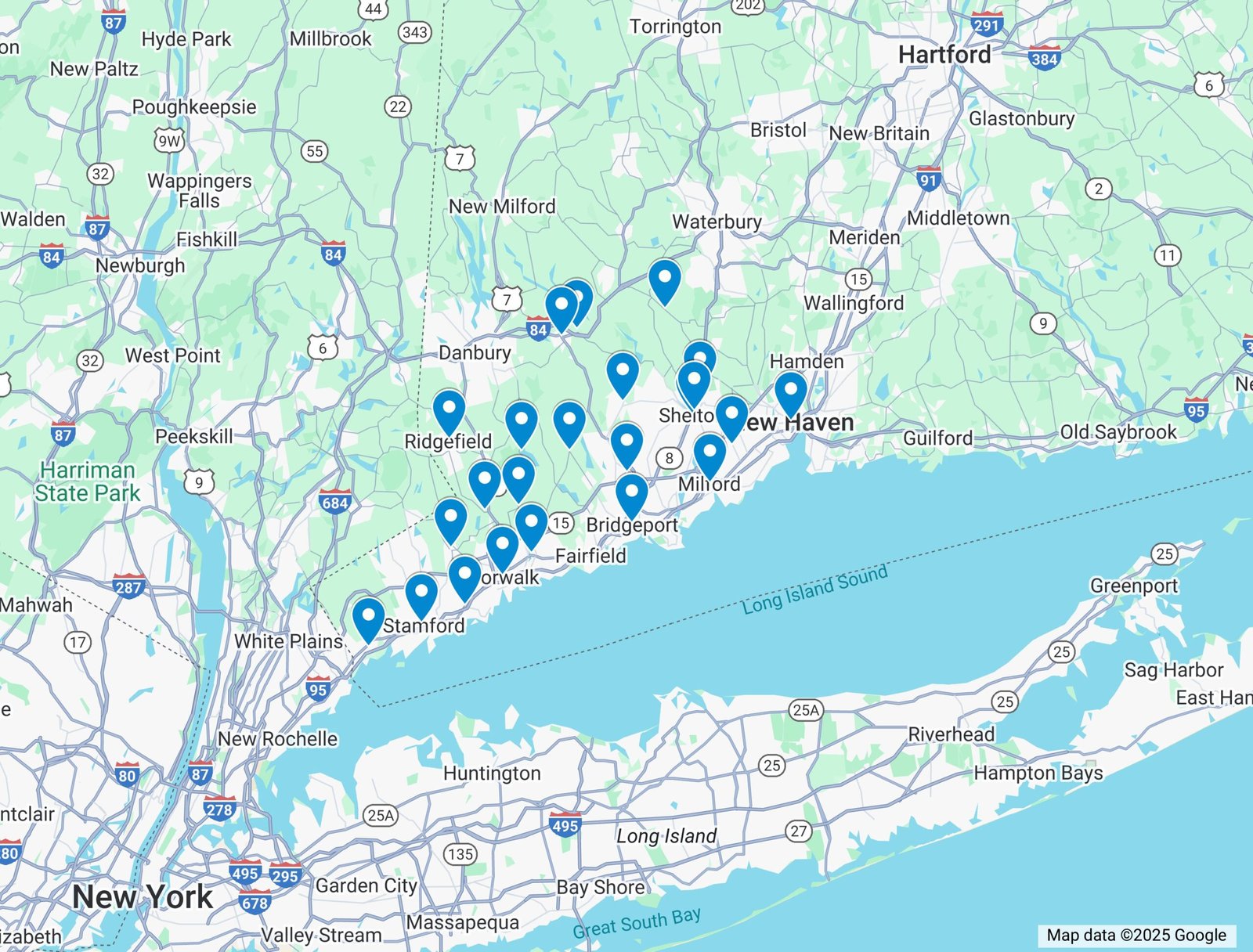
Fairfield County properties experience humid summers, rain, winter freeze-thaw cycles, and occasional strong storms. Fence installation has to account for those conditions, regardless of material.
Wood expands and contracts as moisture levels change. Without proper spacing, quality fasteners, and protection from ground moisture, boards can cup, split, or warp. Posts are particularly important. A fence is only as stable as its foundation, and correctly set posts help it stand up to wind, snow, and shifting soil.
Vinyl does not absorb moisture like wood, but it can expand and contract with temperature changes. It needs room to move within the rail system, which is why manufacturer-approved installation methods matter. In very cold conditions, vinyl can become more brittle than wood and may crack if struck hard by equipment, a vehicle, or a falling limb.
For either fence type, drainage deserves attention. Water that repeatedly pools around posts can weaken the installation and create avoidable problems in the yard. If your property has low spots, runoff from a driveway, or poor grading near the planned fence line, address those issues as part of the project rather than after the fence is installed.
Privacy, Strength, and Security
Both materials can create effective privacy fencing. Solid-board wood fencing offers a substantial visual barrier and can be built tall where zoning rules permit. Shadowbox designs provide partial privacy while allowing airflow, which can be helpful in exposed yards where wind is a concern.
Vinyl privacy panels offer complete coverage with clean lines and few visible gaps. They are a strong option for separating a backyard from a neighboring property, screening pool equipment, or creating a more polished edge around a commercial outdoor area.
For security, installation quality matters more than material alone. Proper post depth, securely built gates, durable hinges and latches, and a layout that accounts for terrain all make a fence more reliable. If pets or children will use the yard, discuss gate placement, latch height, and any gaps near the ground before work begins.
Which Fence Is Right for Your Property?
Choose wood if you want natural character, custom design options, easier board-by-board repairs, or a fence that complements stone features and mature landscaping. It is also a good fit when you are willing to maintain the fence and want to manage the initial investment carefully.
Choose vinyl if you want a uniform appearance, minimal routine maintenance, and a long-lasting privacy solution that does not require painting or staining. It is especially practical for busy households, commercial properties, and owners who prefer predictable upkeep.
The best decision starts with the actual yard, not a showroom sample. Fence lines that cross slopes, meet patios, pass near drainage areas, or need gates for lawn equipment require planning. A professional site visit can confirm measurements, local requirements, material options, and the preparation needed for a fence that looks right and performs well.
A fence should feel like a natural part of the property, not an afterthought. Whether you choose the character of wood or the convenience of vinyl, start with sound site preparation and careful installation so you can relax and enjoy the space on the other side.