A great yard makeover is not just about adding fresh mulch, a few shrubs, or a new patio set. It starts by looking honestly at how the property works now. Does water collect near the foundation? Is the lawn too steep to enjoy? Does the driveway edge look worn down? Is there nowhere comfortable to sit, cook, or gather? The best outdoor upgrades solve those everyday problems while making the property look sharp from the street and feel better to use.
For homeowners and property managers, the goal is simple: create an exterior that looks cared for, holds up through Connecticut weather, and does not require juggling a separate contractor for every phase of the work. That takes a plan built from the ground up.
Start a Yard Makeover With the Problems You Can See
Before choosing pavers, plants, or fence styles, walk the property after a hard rain. Notice where puddles remain, where mulch washes away, and where soil slopes toward the house or a parking area. Water issues can make even a beautiful landscape feel unfinished. They can also damage lawns, stain masonry, weaken walkways, and create icy spots in winter.
Drainage is often the least glamorous part of a project, but it may be the most valuable. Depending on the site, the right solution could include grading, drainage channels, catch basins, dry wells, or redirecting downspout runoff. A yard that drains correctly gives every other improvement a better chance of lasting.
The same practical approach applies to uneven ground, old tree stumps, compacted soil, and overgrown areas. Clearing and excavation may be necessary before the visible transformation begins. It is tempting to skip preparation to get to the fun part faster, but installing a patio or planting bed on an unstable base usually creates more expense later.
Build Outdoor Spaces Around How You Actually Live
A yard makeover should fit the people using it. A family that spends summer evenings outside may benefit most from a patio, fire pit, and walkway from the back door. A homeowner with a busy schedule may want clean-edged planting beds, a durable lawn area, and fewer high-maintenance features. A commercial property may need safer access routes, defined parking edges, dependable drainage, and an exterior that gives visitors a professional first impression.
Think about movement first. Where do people enter the yard? Where do they naturally walk? Where do they carry groceries, take out trash, bring in equipment, or move between the driveway and the back entrance? A properly placed walkway can make a property feel more organized immediately. It also keeps foot traffic off the lawn and reduces muddy shortcuts.
Then consider gathering areas. Patios are one of the most flexible upgrades because they can create a defined space for dining, grilling, relaxing, or entertaining without turning the entire yard into hard surface. The size matters. A small patio may work well for two chairs and a bistro table, but it will feel cramped if you expect to host six people around a dining table. Planning for real furniture dimensions avoids a common mistake: a patio that looks good empty but does not function once it is furnished.
Patios, Walkways, and Fire Features Need a Solid Base
The finished stone or paver is only part of the job. Long-lasting hardscaping depends on excavation depth, compacted base material, proper pitch, edge restraint, and careful installation. When those details are rushed, pavers can shift, steps can settle, and water can pool where it should not.
Natural stone, concrete pavers, and masonry each offer different advantages. Natural stone brings a classic Connecticut look and strong curb appeal, though material costs and installation time can be higher. Pavers offer consistent sizing and many design options, while masonry can create durable walls, steps, veneers, and outdoor kitchen features. The best choice depends on the style of the house, site conditions, intended use, and budget.
A fire pit or outdoor kitchen can make the yard more inviting, but it needs room around it. Keep seating, smoke direction, access, and safety in mind. If the space is tight, a simple stone fire pit with a comfortable seating wall may deliver more value than a larger feature that crowds the patio.
Use Walls and Grading to Make Difficult Yards Usable
Sloped yards are common, and they can be a missed opportunity. A retaining wall can hold back soil, create level planting areas, define a patio, or turn an awkward grade into usable lawn space. It can also help manage erosion and protect areas near a driveway or foundation.
Retaining walls are not simply decorative borders. Once a wall is holding significant soil or sits near a structure, correct excavation, drainage, base preparation, and construction become essential. Water pressure behind a wall is one of the main reasons walls fail, so drainage planning should be part of the design from the start.
Low stone walls can serve a different purpose. They can frame a front landscape, separate a driveway from planting beds, or provide a finished edge along a walkway. These smaller details often make a property look intentional without requiring a full-scale renovation.
Make the Landscape Easy to Maintain
Planting should complement the hardscape, not hide it. A clean layout with healthy lawn areas, defined beds, shrubs, and seasonal color can soften stonework and add visual interest throughout the year. But a landscape only stays attractive if it is realistic to maintain.
Choose plants based on sun exposure, drainage, mature size, and the amount of upkeep you want. Planting a fast-growing shrub too close to a walkway may look full in the first season, then become a trimming problem every year after. Likewise, a lush lawn may need irrigation support if the area receives strong sun and dries quickly during summer.
Mulch, clean bed edges, and proper pruning make a noticeable difference. So does irrigation that delivers water where it is needed instead of relying on hoses and inconsistent watering. For commercial properties, dependable maintenance protects the investment in the same way routine service protects a building interior.
If an older yard looks dull rather than damaged, power washing may be part of the refresh. Cleaning patios, walkways, retaining walls, siding, and other exterior surfaces can reveal the original color of the material and make newer landscape work stand out even more.
Do Not Forget Privacy, Access, and Boundaries
A fence is often one of the fastest ways to change how a property feels. It can create privacy around a patio, secure a backyard for children or pets, define a commercial boundary, or screen equipment and service areas. The right material depends on the job. Wood offers a traditional appearance, vinyl can reduce maintenance, and other options may better suit security or visibility needs.
Placement matters as much as style. Property lines, gates, drainage paths, slopes, and utility access should all be reviewed before installation. A gate that is too narrow for lawn equipment or a fence that blocks access to a drainage area can create unnecessary frustration later.
Plan the Project in Phases When Needed
Not every property needs a complete transformation at once. In many cases, the smart path is to handle foundational work first, then build outward. For example, solve drainage and grading before installing a patio. Complete a retaining wall before adding planting beds. Repair or pave key surfaces before adding decorative features.
A phased yard makeover can make budgeting easier, but the phases should still follow one overall plan. Otherwise, a new walkway may need to be removed later for drainage work, or a planting bed may be placed where a future patio needs to go. A clear estimate and site review help identify which work should happen first and where it makes sense to invest.
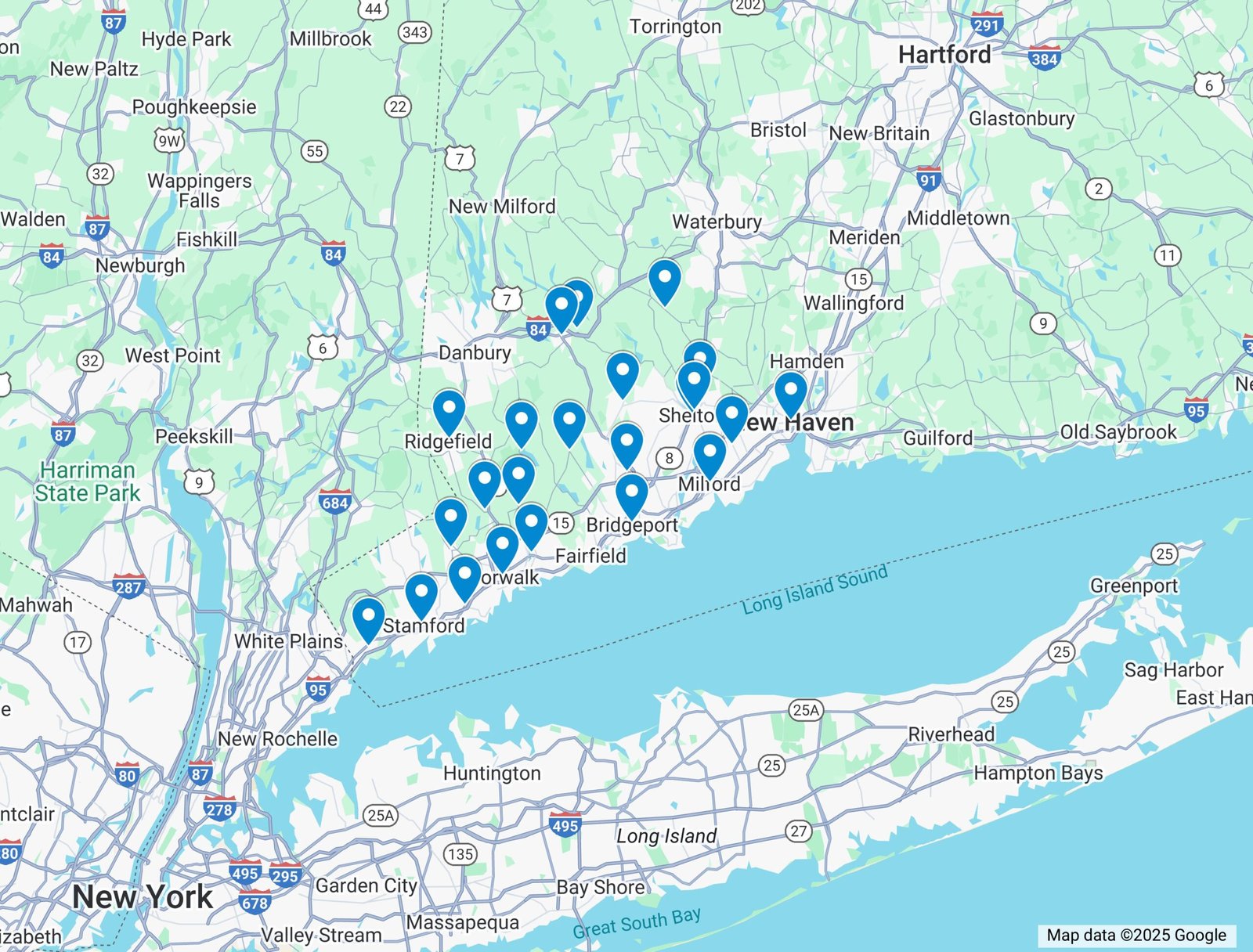
For Fairfield-area properties, Innovative Landscaping Services LLC can manage excavation, drainage, masonry, paving, fencing, landscaping, and ongoing exterior maintenance under one coordinated plan. That means less time coordinating crews and more confidence that the finished details are built on sound groundwork.
Your yard does not need every possible feature to feel complete. It needs the right improvements in the right places: dry ground, safe paths, durable surfaces, healthy planting, and outdoor spaces you will genuinely use. Start with the problems beneath your feet, and the finished property will have the kind of beauty that lasts.